How to Slay the Dragon: Fear, Anxiety and Cancer

guilt

Fear is one of my constant companions on this cancer journey, for nearly four years now it has attempted to overcome me and prevent me from living the life I want. Naturally, when I was first diagnosed with ovarian cancer and saw my pathology report a series of unsettling questions raced through my mind. Consulting with a team of oncologists at Calgary’s Baker Centre only seemed to increase my anxiety over my condition. Will the recommended treatment be successful or will I die? Will undergoing another major surgery followed by chemotherapy be too agonizing and unbearable? Now that my oncologist has informed me that I’m in remission, it’s the fear of my cancer recurring that I have to cope with on a daily basis.

In this post I’d like to share several of the best techniques that I’ve discovered for cancer survivors to master their fear and not let it control them.

Remember That Your Journey is Unique

Most women with ovarian cancer have at least one relapse within five years of being diagnosed, but I frequently remind myself that this standard rate of recurrence won’t necessary happen to me. The reality is that medical science has established that all cancer patients are unique. What’s more, because cancer statistics are based on large samples of people, they cannot be used to predict exactly what will happen to a single individual. Everyone is different. Treatments and how people respond to treatment can differ greatly. I strongly suggest trying to follow these essential rules:

  1. Resist the temptation to compare the disease in your body to what is happening to other people, even in situations when the type or stage of cancer is highly similar.
  2. Don’t dwell on statistics or the possibility of recurrence.

Practice Mindfulness

I’ve discovered that one of the best ways to quiet my mind and focus my attention is a technique called mindfulness. Jon Kabat-Zinn pioneered using this method with cancer patients and other groups battling chronic pain or illness at the University of Massachusetts Medical School. Mindfulness is basically just a way of paying attention, a way of awakening our minds and being present in the here and now. With principles found in Buddhism, mindfulness teaches us to live moments in each day rather than focusing on what might lie ahead.

Acceptance and letting go are crucial components of mindfulness. A philosophy of mindfulness encourages us to come to terms with our life, even difficult experiences such as a cancer diagnosis. Acceptance means seeing things as they actually are in the present. Mindfulness doesn’t require that you have to like your situation—you don’t necessarily have to assume a passive attitude toward suffering or life’s unfairness. However, you must come to terms with things as they are and acknowledge them, whether it’s a diagnosis of cancer or the possibility of its recurrence in the future.

Appreciate the Joys of Nature

K-Country

It’s generally agreed that exposure to nature is extremely beneficial for people with cancer or other chronic illnesses, improving mood and easing anxiety, stress, and depression. Current research findings suggest that natural settings such as parks, wilderness areas, urban green spaces and gardens have the potential to improve both physical and mental health. Numerous health scholars claim that ecotherapy can promote wellness and healing. The practice is also known as green therapy, nature therapy, and earth-centered therapy.

Take Part in Exercise or Physical Activity

Studies have proven the benefits of exercise for cancer patients. Of course, vigorous physical activity might not be possible during treatment and you should always consult with your doctor before beginning an exercise program. It will take more effort to become active if you were accustomed to a sedentary lifestyle before your cancer diagnosis. Many people feel so excited about “getting healthy” that they try to do multiple things at once, and that’s a recipe for burnout. Try focusing on just one type of exercise first. Some research indicates that a behavior change is more likely to ensue when you’ve identified what you really want from it. You may be seeking better moods or stress relief, or maybe you just want to connect with a fellow cancer survivor or workout buddy—it doesn’t matter, as long as you know what your goals are.

Have at Least One Regular Hobby

Secret-Garden

There’s an emerging group of professionals who employ the arts to help people heal. The new field is called creative arts therapies, and it encompasses a wide range of modes of expression including art, dance/movement, drama, music and poetry. When cancer patients undertake these activities, whether individually or with the guidance of a creative art therapist, they stand to benefit psychologically and emotionally. Recently there’s been a trend toward simple or old-fashioned crafts and hobbies such as knitting. Some adults are even using colouring books to relax and reduce daily stress. This concept started several years ago with the publication of Johanna Basford’s Secret Garden. Her colouring book for adults has since been translated into 14 languages and has sold over one million copies.

In a League of Your Own: Why Every Cancer Patient is Different

I recently received some grim news regarding a close acquaintance with advanced breast cancer. After achieving about one year of remission, her doctors have informed her that her cancer has metastasized to her lungs. Apparently her current prognosis is extremely poor and oncologists have indicated that her disease is expected to progress to the terminal stage. I have to acknowledge that I have a certain degree of difficulty coping with circumstances such as this. Psychologically I accumulate unnecessary anxiety as I compare myself to other cancer patients. When I hear of bad outcomes, I keep asking myself if I’ll be next.

One of the psychological aspects of having ovarian cancer is fear of recurrence. Although I’ve been in remission for about two years now, I remain alarmed that when my cancer was diagnosed it was fairly advanced. The statistics reveal that recurrence rates are notoriously high for my type and stage of cancer. Throughout my personal cancer journey I’ve noticed that this fear of recurrence is heightened by another phenomenon, the tendency to compare my cancer to other people’s experience with the disease. For example, I’ll sometimes remind myself that if my disease follows the path that it does with most women I’ll encounter at least one recurrence within five years of my initial diagnosis.

Cancer Cells

There are few analogies that can accurately convey such feelings of dread to those who haven’t experienced them. Some cancer survivors have compared living with the disease to crossing a battlefield and watching your comrades die gruesomely while you dodge the bullets. Personally there have been moments when I’ve felt a sense of doom, it’s as if I’m a death row inmate, but with no certainty of when my execution will actually occur.

I have some extremely important advice to give to myself and to anyone else being treated for cancer.

1. Resist the temptation to compare the disease in your body to what is happening to other people fighting cancer, even if your condition seems highly similar.

2. Don’t dwell on statistics or the possibility of recurrence.

For instance, most women with ovarian cancer do have at least one relapse within five years of being diagnosed, but that standard rate of recurrence won’t necessary happen to me. The reality is that medical science has proven that all cancer patients are unique. What’s more, because cancer statistics are based on large groups of people, they cannot be used to predict exactly what will happen to you. Everyone is different. Treatments and how people respond to treatment can differ greatly. A well-known American cancer survivor, Joanna Montgomery, chronicles her experiences of treatment, motherhood and marriage in a personal blog called It’s Cancer, Baby. As Montgomery heavily underscored in one of her online articles, we are all individuals.

“The truth is that every single person’s cancer is different —even those diagnosed as the same type and stage —because that cancer exists in a unique human body unlike no other, with a unique life history and genealogy. I’ve met people with cancer of a lesser stage than mine who didn’t make it, while I’ve just as frequently met survivors who dealt with higher stages of cancer decades in the past and are still going strong. There’s no algorithm that will determine which of us will make it and which of us won’t. There are endless factors at play, and cancer is unpredictable and constantly morphing.”

The stress and anxiety generated from trying to predict what will happen to you or from scrutinizing other cancer patients might actually be detrimental to your health and the healing process. Medical science acknowledges a connection between our thoughts and emotions and certain physical aspects of healing, such as our immune system. The power of the mind-body connection has been widely accepted by mainstream medicine since the 1960s or 1970s. During those decades, a great deal of research in the field of biofeedback and self-regulation showed that human beings could learn to control many physiological functions. Even those ones that had previously been thought involuntary, such as heart rate and blood pressure, were found to be at least partially under our control. A number of pioneering studies drew on relaxation, meditation and yoga.

21

The power we possess over own bodies and our personal health and the case for each of us being a unique biological organism was also established in a groundbreaking book entitled Mind as Healer, Mind as Slayer. In 1977, this book by Dr. Kenneth Pelletier helped to inspire widespread interest in mind-body interactions. Pelletier presents a variety of compelling evidence that the mind is a major participant in illness and that the mind can be a major factor in health as well. The majority of his case studies focused on serious chronic diseases, including heart disease and cancer.

So my recommendation if you are fighting cancer is to maintain faith in your body’s ability to heal itself. Even more importantly remember that your cancer journey is unlike anyone else’s and that your outcome may be radically different from those in similar medical circumstances. You are special, your body and spirit are both unique, so don’t assume you can predict the course your cancer will take simply by observing the disease in others.

A Matter of Trust

trust-broken

Even before my cancer diagnosis three years ago I understood that trust is one of the central features of the patient-physician relationship. Ideally when I come under a physician’s care I should trust in my doctor’s competency and in their commitment to me as a patient. When I undergo medical treatment I must also trust my physician or surgeon to put my welfare above his or her own self-interest. Ethically my physician should always place my needs above obligations to other groups and advocate for my welfare.

This bond of trust has played a dominant role throughout my cancer journey, especially when I’ve undergone major surgery or consented to treatments such as chemotherapy. I met my oncologist in November 2011 and I continue to trust in his medical expertise and sound judgment when it comes to treating my disease. I know he and other members of the team at the Tom Baker Cancer Centre have placed my best interests before anything else. Still I regret to say that there was a critical point during my cancer treatment when I began to have irrational doubts about my surgeon and his medical colleagues.

Doctor's Touch

Looking back, several factors were instrumental in causing me to temporality lose confidence in my surgeon. In the spring of 2012 complications arose due to my cancer treatments. Two previous surgeries had resulted in scarring and adhesion of my bowel and at the time the blockage was probably being exacerbated by the chemotherapy I was undergoing. I was terrified of what might happen and despondent about my situation when I ended up a patient on the genealogic oncology unit for the third time. I was admitted through the emergency department and I could sense that my situation was extremely serious or potentially life-threatening. Worst of all I was in a tremendously weakened physical condition and my psychological state could best be described as anxious and confused.

My trust in my surgeon began to deteriorate due to communication issues. While he is a highly skilled oncological surgeon, like many doctors he is not always strong when it comes to exercising interpersonal communication skills. He rarely spoke to me or came by my room—we never really had a conversation to reassure me or to discuss my condition in detail. Instead it was typically surgical residents completing their 7 a.m. rounds that I saw for a few minutes each morning. In about the second or third week of being confined to a hospital bed with orders not to consume food my fear and imagination began to run out of control. Was my surgeon really qualified and capable? Had he played any role in creating the serious complications I was now facing?

Meanwhile, some family members and other non-medically trained individuals only increased these suspicions and fears. They suggested that perhaps I should not trust my surgeon and that I should try to get another specialist to operate on my bowel blockage. As the scheduled date for my surgery approached I became virtually obsessed with how vulnerable I was and how I would be literally placing my life in my surgeon’s hands.

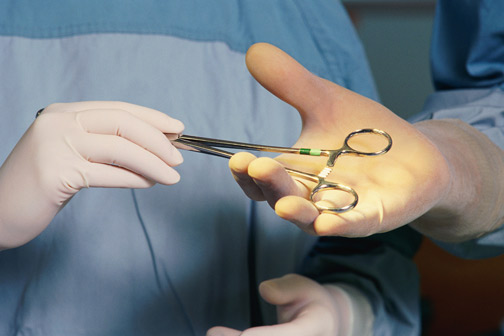
Surgical-Instruments

I had previously trusted my surgeon and thought of him as a conscientious and vigilant medical practitioner, now I had almost convinced myself that he might be the opposite. Was he a cowboy? As explained in Dr. Brian Goldman’s book The Secret Language of Doctors cowboy is a slang term to describe a surgeon who is excessively reckless or careless with patients. In the bestseller a cowboy is described as someone who rides by the seat of his pants. It’s someone who kind of does things quickly. They’re trying hurriedly to do everything in a somewhat haphazard fashion, hoping like hell it all comes together at the end. Cowboy is also used to refer to a surgeon who perhaps doesn’t have the best judgment—someone who operates first and asks questions later.

Of course there were moments when I had nagging doubts that I could endure another surgery, I had just been through two major operations. This had made me all too familiar with the overwhelming physical and emotional impact that abdominal cancer surgery has on a woman. In essence I agree with Dr. Goldman’s opinion regarding the consequences of surgery.

The thing I find many surgeons fail to appreciate is that an operation is a form of controlled violence on the patient. If surgeons thought about what they do to patients on a daily basis, I suspect many wouldn’t do it. Even the most successful surgery causes severe (albeit manageable) pain. For patients relieved of their condition, post-operative pain is bearable—but not so much when the surgery results in complications or worse.

Dr. Brian Goldman, The Secret Language of Doctors

Finally on June 18, 2012, I signed the appropriate documents and critical surgery was skillfully performed. When I awoke in the recovery room I sensed that my crisis was at last resolved. Although only half-conscious, I was filled with elation as they informed me that the procedure to correct my obstruction had been successful. The primary cause was established to be scar tissue from my previous operations and now my digestive system was expected to function normally again. Most of all, I was comforted and reassured by the fact that my ovarian cancer had not visibly metastasized to other organs in my body. After a long, tumultuous journey my fundamental trust in my surgeon had ultimately been restored.

The Waiting Game


“Of all the hardships a person had to face none was more punishing than the simple act of waiting.”

Khaled Hosseini, A Thousand Splendid Suns


In this powerful quote Khaled Hosseini, the author of The Kite Runner and several other internationally acclaimed novels, speaks of the pain of waiting. Throughout my cancer journey waiting, along with uncertainty and fear, have been my constant unwelcome companions. Of course there have been the endless hours spent in doctor’s waiting rooms and waiting in diagnostic imaging departments for CT scans, MRIs and a multitude of tests. I can’t believe how accustomed I’ve become to these environments and to the monotonous routine that they now so strongly represent.

I close my eyes and I can visualize the waiting room chairs, the reception desk, sometimes a television for distraction, and always the tired and worried looks on the other patients’ faces. Some attempt to engage in small talk with other patients or with the caregivers who have accompanied them, others sit silently or try to read or distract themselves with electronic devices. My waiting time at the outpatient clinic at the Tom Baker Cancer Centre is typically half an hour to an hour. It’s common knowledge that Calgary is in dire need of a new cancer centre, as the Baker Centre is more than thirty years old and way over capacity with the volume of patients it now must serve.

waiting room

My memories of waiting for chemotherapy sessions in the late winter and early spring of 2012 are still extremely vivid in my mind. I can laugh now, but at my first appointment I was worried that some of the veteran chemotherapy patients might be able to tell that I was a newbie. They would ascertain that I looked too healthy and had all of my hair! When I arrived, I noticed that the people around me seemed to have many types and stages of cancer; what is more, a good number of them exhibited full heads of hair. After a short wait of approximately 15 minutes, a nurse led my mother and I into the Baker Centre’s large daycare treatment area. My heart beat faster as we reached my assigned space and I settled into a recliner by the window. The nurse explained what she was doing as she inserted my IV line and then attached some anti-nausea medication in preparation for the potent cancer-fighting drug, carboplatin.

As unpleasant as waiting for physical examinations and chemotherapy appointments can be, for many cancer patients it’s anticipating a future over which they have little control that seems so much more ominous and stressful. I live with the constant pressure of waiting for outcomes that I cannot completely control. When I was originally diagnosed with endometrial and ovarian cancer three years ago, I was referred to the Tom Baker Cancer Centre where my case was reviewed by the Gynecologic Oncology Tumour Board. This team of doctors and specialized pathologists reviews all new referrals to ensure correct diagnosis and to recommend the best treatment plan. Almost instantly I became the patient of one of Western Canada’s most renowned pelvic cancer surgeons, Dr. Prafull Ghatage.

hourglassMy first consultation with Dr. Ghatage now seems like a lifetime ago. In a few months I’m scheduled for another routine checkup at the Tom Baker Cancer Centre. It’s essential that I be monitored regularly for a possible recurrence or any signs of malignancy; ovarian cancer has a notoriously high recurrence rate. Many women with the disease face at least one recurrence within five years of their first diagnoses. Without resorting to an abundance of medical jargon, I’ve been diagnosed with stage IIIC2 adenocarcinoma of the uterus and stage IC adenocarcinoma of the ovary. As I await my next appointment on February 10, 2015, the encouraging news is that I’m currently in remission—at least I am to my knowledge—and my chances of a complete cure are better the longer I remain in this state. The Canadian Cancer Society defines remission as a decrease in or disappearance of signs and symptoms of cancer. In partial remission, some, but not all, signs and symptoms of cancer have disappeared. In complete remission, all signs and symptoms of cancer have disappeared, although cancer still may be in the body. According to Ovarian Cancer Canada, 80 per cent of women diagnosed with ovarian cancer will achieve remission.

However, it is unknown if the cancer will come back or how long before it comes back. These unanswered questions linger in every woman’s mind that has ever been diagnosed with cancer and all we can do is wait for the resolution. In the meantime, I’ve made my health my primary focus—a nutritious diet, an appropriate exercise routine and getting enough sleep have never been more important. Obviously I’m careful to take my daily medication; I’ve been prescribed the drug Megace (generic name megestrol), it has been known to reduce recurrence rates in uterine, ovarian and breast cancer patients. Finally, hope and my steadfast determination to live each moment of my life fully and completely remain my allies in this dreadful waiting game. “How much of human life is lost in waiting,” wrote the 19th century transcendentalist Ralph Waldo Emerson. As I continue to face the many realities of cancer in the 21st century I can strongly relate to this long ago observation.

timepiece


Mindfulness and Cancer

Managing psychological stress when you have cancer can be extremely difficult. How can you experience moments of stillness, relaxation and contentment when your mind is constantly preoccupied with your disease and what impact it might have on your future?

Even when the apprehensiveness over a cancer diagnosis is taken out of the equation, getting our mind to embrace a sense of calmness is often difficult. If you start paying attention to where your mind is from moment to moment throughout the day, chances are you will find that considerable amounts of your time and energy are expended in clinging to life’s memories or regretting unfortunate things that have already happened and that are over. And you will probably find that as much or more energy is expended in anticipating, planning, worrying and fantasizing about the future and what you want to happen or don’t want to happen.

Cancer only exacerbates this inclination; in particular there is the fear and uncertainty. Having cancer means facing the unknown trajectory of the disease, the side effects from chemotherapy or other treatments and the possibility of death. Even thought the doctors have reassured me that I’m in remission, I’m often consumed with anxiety. Like thousands of other women in my situation my mind seeks answers to the inevitable questions. How long will I remain in remission? If I have a recurrence, how can I possibly find the physical and emotional strength to contend with going through everything all over again?

Yoga

I’ve discovered that one of the best ways to quiet my mind and focus my attention is a technique called mindfulness. Jon Kabat-Zinn pioneered using this method with cancer patients and other groups battling chronic pain or illness at the University of Massachusetts Medical School. Mindfulness is basically just a way of paying attention, a way of awakening our minds and being present in the here and now. With principles found in Buddhism, mindfulness teaches us to live moments in each day rather than focusing on what might lie ahead.

Although mindfulness mediation is frequently taught and practiced within the context of Buddhism, it has been argued that its essence is universal. Mindfulness is universal and transcends nationality or culture because it’s essentially a technique for looking deeply into oneself in the spirit of self-inquiry and self-understanding. For this reason it can be learned and practiced by cancer patients without appealing to Asian culture or Buddhist authority to enrich it or authenticate it. Advocates contend that mindfulness stands on its own as a powerful vehicle for self-understanding and healing.

Kabat-Zinn
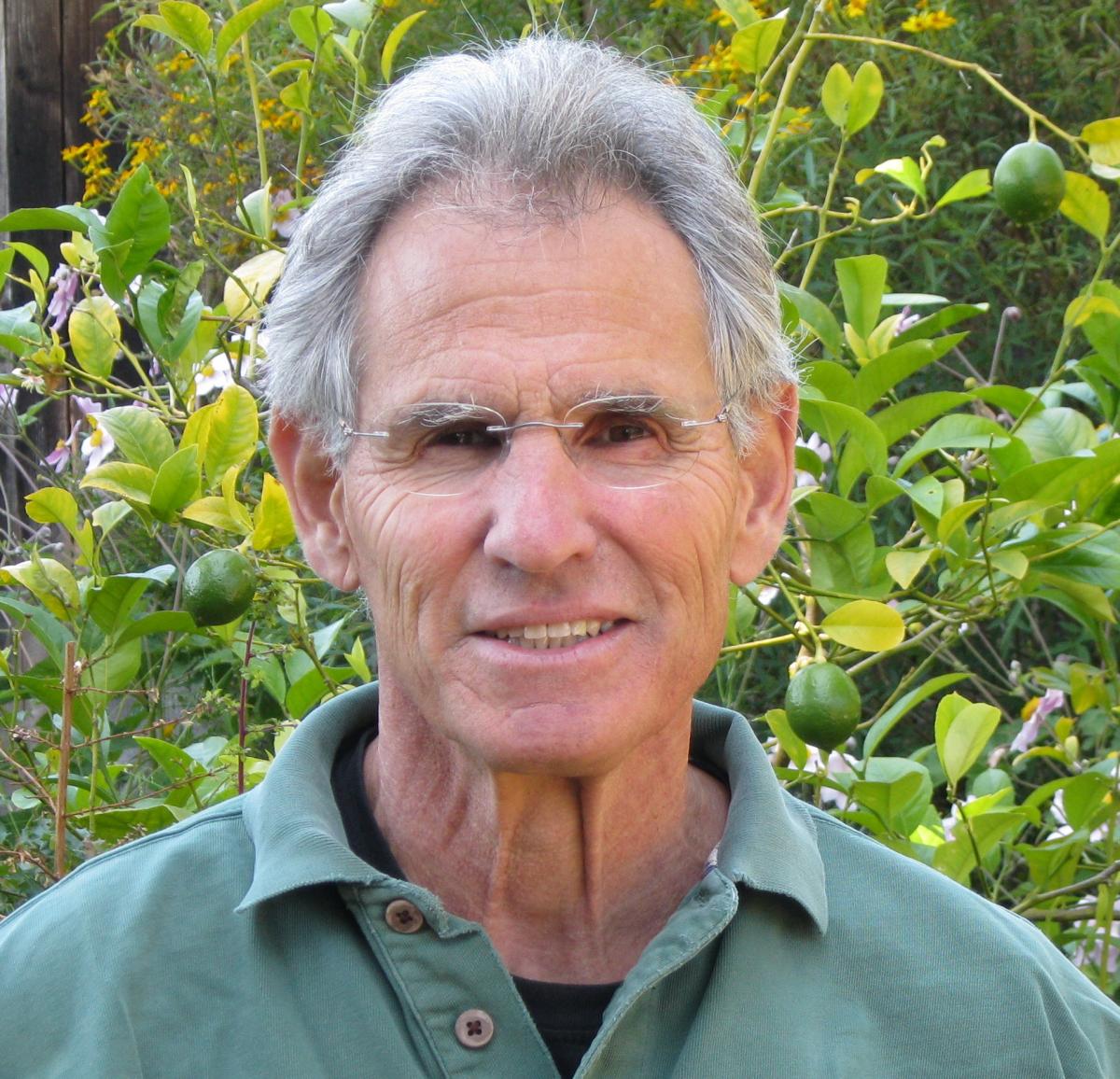
Jon Kabat-Zinn

So how do you learn to live in each moment and remain focused on what is occurring in the present? How do you become skilled at practicing mindfulness? According to Jon Kabat-Zinn and other teachers mindfulness can take a lifetime to fully master. However, getting started isn’t difficult if a person is motivated to practice and doesn’t expect some magic resolution to life’s problems or to all of their cancer related issues. Its been said that the most insidious enemy of any type of daily practice is our North American culture’s relentless celebration of immediate gratification. Below I’ve listed some of the essential principles of living mindfully:

  • When a cancer patient approaches mindfulness formally in a group or classroom setting one of the first things that they will learn is how to use focused breathing techniques. This helps them to discover their body and how it responds to stress and other emotions. By concentrating on their breath, they can also gently pull their mind back to the present moment when it wanders.
  • Mindfulness is cultivated by simply observing our experiences and not judging them. The natural human tendency is to categorize or label almost everything we see. These judgments often come to dominate our minds, making it difficult to ever find inner peace.
  • Some cancer survivors choose to practice mindfulness meditation or gentle yoga. A study just published in the Journal of Clinical Oncology found that women with breast cancer who practiced yoga had lower levels of stress hormones. They also reported less fatigue and a better quality of life. It’s generally recommended that you ask your doctor if you can participate in yoga, then find a yoga instructor with experience leading a class that includes cancer patients.
  • In our overwhelmingly goal oriented and results driven culture mindfulness is one of the few practices that is essentially a non-doing. It has no other goal than for you to be yourself. For example, when you meditate you’re encouraged not to set specific goals such as I’m going to relax now, I’m going to become more enlightened or I’m going to control my pain. You have nothing to strive for, except perhaps a better recognition and appreciation of the present moment.
  • Acceptance and letting go are crucial components of mindfulness. A philosophy of mindfulness encourages us to come to terms with our life, even difficult experiences such as a cancer diagnosis. Acceptance means seeing things as they actually are in the present. Mindfulness doesn’t require that you have to like your situation—you don’t have to assume a passive attitude toward suffering or life’s unfairness. However, you must come to terms with things as they are and accept them, whether it’s a diagnosis of cancer or learning of someone’s death.

In spite of everything, cancer can be a wake-up call to the value of life, an incentive to live the life we want or believe we were meant to live in the time we have left. Mindfulness, with its emphasis on the present and living each moment fully, can help guide some cancer survivors through this profound journey.

Ralph-Waldo

The Blame Game: Guilt and Cancer

One of my New Year’s resolutions for 2014 is to more effectively manage the guilt or shame that I sometimes feel concerning my cancer. It seems unfair considering all the other unpleasant emotions that cancer triggers, but guilt in its various forms is a constant enemy waiting to attack cancer survivors and their caregivers.

It’s been well documented that many cancer survivors have feelings of shame or guilt, particularly around the notion that they may have played some part in causing their cancer. Certain cancers, for example lung cancer, have especially strong stigmas attached to them in this regard. “He smoked heavily, so what did he expect?” When it comes to cancer we often subtly, or not so subtly, blame the person for his or her disease. Friends, family members or strangers often do this unwittingly, in an attempt to rationalize a painful reality and to cope with it better themselves. Human psychology being what it is, whenever we can construct an explanation for something, it makes us feel a little better. Experts, such as renowned scientist and author Jon Kabat-Zinn, emphasize that blame only robs an individual with cancer of the present by directing their attention on the past—it undermines them when they most need to focus their energies and face the reality of having a life-threatening disease.

guilt

While gynecological cancers don’t involve the same degree of stigma as lung cancer or some other forms of the disease, I’ve still experienced times when I’ve felt that I might be to blame for my illness. Leading up to my diagnosis, I was having symptoms that could indicate uterine and/or ovarian cancer and my doctor recommended surgery. At first I was somewhat hesitant due to fear and denial of my situation. I had never been hospitalized or had any type of surgery before, now I was being informed that I should have a total abdominal hysterectomy as well as the removal of my right ovary. My gynecologist had to “twist my arm” to a certain degree. I ultimately consented to the procedure when I realized that it was in my best interest. What would the outcome have been if I had chosen to have the operation sooner? Would my endometrial cancer be less advanced, lower than the stage III that I am currently diagnosed with? Would it have had time to spread to my lymph nodes and affect my right ovary?

There is no way to determine these things for certain, but I do regret my hesitancy to take action. Everyone has done things that they wish they hadn’t. My argument is that there is a difference between taking responsibility for the consequences of actions and feeling like you deserve to be blamed. It may be true in some cases that our lifestyle or health care choices increase the odds of getting cancer or contribute to cancer progression. No doubt in such circumstances changing certain behaviours may improve your health. However, allowing a patient to absorb blame and feel shame will almost certainly make matters worse. Instead, it’s better for cancer survivors not to let shame and guilt keep them from moving forward, getting the support they need and deserve, and living in a healthier way. Shame and guilt are unnecessary burdens to carry. From everything that’s known about the emotions and health, acceptance and forgiveness are what we need to cultivate and enhance healing, not self-condemnation and self-blame.

Guilt-2

This having been said, there are numerous other ways in which guilt manifests itself in the lives of cancer survivors. Guilt takes sinister forms for us, like feeling shame for the envy we feel about those who are in good health; feeling guilty about the disproportionate amount of attention we receive, and even guilt about surviving cancer when so many others have not. I remember feeling guilt-ridden when I was undergoing cancer treatment and unforeseen complications occurred. My condition ultimately caused me to spend over a month and a half in Calgary’s Foothills Medical Centre. As my primary caregiver, my mother had her life completely turned upside down. Although she is semi-retired, she took a leave of absence from her part-time job and rearranged her daily schedule to visit me. My brother also took some hours off work at the law firm where he practices. Suleika Jaouad, a young American fighting leukemia, describes herself in similar circumstances:

“I feel guilty when I start feeling sick or get a fever. I want to apologize, for I know I will soon make the life of my loved ones hell. My mother will have to drive four hours in the middle of the night to take me to the hospital in New York City. Family will have to take sick days from work. After long days at the office, my boyfriend will spend night after night sleeping between two hospital chairs. My father will “hold down the fort” at home (this translates to lonely nights spent worrying by himself and feeling very far away from my hospital room).”

Finally, as I’ve alluded to, some cancer patients experience the discomfort of what is termed survivor guilt. I’m aware through various sources that I’ve outlived several of my former cancer ward roommates. Perhaps it’s only human nature to occasionally wonder why I’ve been fortunate enough to achieve remission, when so many women diagnosed with my form of cancer have lost their agonizing battle.

Shame

For more information regarding guilt and cancer or to seek professional advice contact the psychosocial oncology department at your regional cancer centre or reach out to other cancer resources in your community.

It’s All So Trivial: Emotional Isolation and Cancer Patients

loneliness

In my introductory blog post, Survivorship 101, I defined the concept of cancer survivorship. Survivorship refers to the physical, psychological, social, and economic issues of living with cancer, from diagnosis until the end of life. In this post I would like to delve deeper into some of the social and psychological aspects of having cancer. For example, a major cancer diagnosis often causes you to view the world differently—things that once seemed enormously important may lose significance and become almost trivial. Personally, I’ve discovered that physical attractiveness, material possessions and social status all matter less to me now. These things frequently seem to fade into irrelevance as I confront a life-threatening illness. Meanwhile, my relationships with other people, discovering ways that I can make a difference in the world and learning more about the essence of who I am are currently at the forefront of my agenda and have an extremely high priority to me at the moment.

Like many people dealing with cancer I’ve sometimes felt isolated from those not going through a similar experience. Relatives, friends and acquaintances mean well, but they are unable to fully empathize or to understand certain aspects of what I am going through. Many cancer survivors will attest to the fact that there are times when they are surrounded by people and still feel very alone. This type of emotional isolation occurs when you discover that you can no longer relate to people in the same way you did before. Things that were important to you in the past are no longer important to you, and your friends and family don’t understand why you have changed so much. I’ve noticed that the books I read, the movies or television that I watch and the activities that I like to participate in have all changed a fair amount since my cancer diagnosis, so have the topics that I prefer to discuss. This transformation has affected my personal relationships and how I feel about those closest to me.

loneliness bench

According to the Alberta CancerBridges team, such deep-seated feelings of isolation have been well documented in the cancer care literature. There is even a term that has been created to describe this experience—it’s known as survivor loneliness. Last summer I watched a rare long-term survivor of ovarian cancer address the crowd at an Ovarian Cancer Canada fundraiser. I admire her ability to speak eloquently in public about her decade long struggle. Throughout her speech she had nothing but praise for her friends and family, I could sense that she is profoundly grateful for the unconditional love and support that they have given her over the years. But paradoxically, the former nurse also characterized her personal battle with cancer as a “long lonely journey.” Survivor loneliness can take many forms and occur for a number of reasons. It’s typically felt as a profound sense of isolation from the people around you. As one battles cancer, this sense of isolation can arise from a feeling that you are alone in your awareness of mortality.

Since my cancer diagnosis two years ago, I’ve been required to think about my mortality. I’ve also had to tend to many practical matters that I didn’t anticipate that I’d have to deal with until I was much older. While everyone around me carries on with their lives, I’ve had to stop and reflect on some of the deeper questions of life that others have the luxury of ignoring. Individuals diagnosed with cancer often find themselves contemplating existential questions. Why am I here? What is the purpose of my life? Who am I? These issues are brought to the forefront of your mind when facing a potentially deadly disease. Sometimes I feel frustrated by the fact that most things that my friends and family care about seem fairly trivial to me now. For example, they got cut off in traffic, they had a disagreement with a coworker or their favorite esthetics studio is getting ready to raise its prices.

Cancer experts and psychologists generally agree that the most effective way to combat isolation and survivor loneliness is to connect with other people who are undergoing a similar ordeal. There are numerous support groups and organizations throughout Canada specializing in the extremely complex social and emotional aspects of cancer.

loneliness-2

Cancer shakes your illusions of immortality. It robs you of the sense of invincibility and innocence that once protected you. But what replaces that feeling is infinitely more valuable: a new awareness and a mature understanding of both life and death.

From Picking Up the Pieces: Moving Forward After Surviving Cancer
by Sherri Magee and Kathy Scalzo

Ottawa Cancer Survivor Redefines Beauty

Kelly Davidson’s photos go viral on the Internet

o-KELLY-DAVIDSON-MASTECTOMY-PHOTO-570

In my introductory blog post, Survivorship 101 published in January, I introduced the concept of “embracing the new pretty” in the wake of my uterine and ovarian cancer. Basically this involves trying to come to terms with the physical changes to my body due to cancer treatments, an issue that all women who have had a major cancer diagnosis experience. For many survivors the changes can be profound and emotionally devastating. In the event of uterine or ovarian cancer, transformations to a woman’s body will typically include a permanently and severely scarred abdomen as well as the removal of her internal reproductive organs. Meanwhile, breast cancer patients face mastectomies, biopsies or lumpectomies. Embracing the new pretty involves accepting these physical changes and also questioning our culture’s popular notions about femininity and beauty. In my opinion, an Ottawa woman has exemplified my concept and taken it to a new level!

Kelly Davidson, 34, has battled three bouts of cancer. After surviving Hodgkin’s lymphoma, breast and thyroid cancers she had a double mastectomy and opted for a tattoo instead of reconstructive surgery. Davidson caused quite a stir recently when she posted photographs of her chest on the Internet, she has gained notoriety and been interviewed by such media outlets as the Toronto Star and the CBC. She is proud of her chest. Much of the surface between her collarbone and ribs has been transformed into an intricately inked enchanted forest, complete with beautifully drawn butterflies and a fairy releasing them into the sky. The tattoos cover the surface where her breasts used to sit, now removed to make sure her breast cancer never returns.

When it came time to consider reconstructive breast surgery, Davidson knew precisely what she wanted—and that didn’t involve a new pair. Rather than get reconstructive surgery, she opted for a tattoo. She had already been inked a few times and chose a fantasy scene with butterflies to symbolize the cancer leaving her body. “I decided to turn this negative thing into a positive, and put a beautiful piece of artwork in place of something that to a lot of people is really devastating,” Davidson says. “They were just breasts. They weren’t me—I don’t need to have breasts to be feminine or sexy,” she recently told the Toronto Star.

Taste in tattoo artwork is highly personal and individual, Davidson envisioned herself sporting a tableau that would include butterflies, creatures to represent the cancer retreating from her body for good. Proud of the finished result, she uploaded a photo of her chest to Why We Ink, a Facebook group dedicated to sharing images of those who have gotten tattoos inspired by the fight with cancer. Some of these tattoos are body mosaics, like Davidson’s, to symbolize beauty where there was once the threat of death. Others post pictures of their tattoos that honour loved ones who weren’t as fortunate.

“It’s my badge of honour and strength,” Davidson writes of her tattoo on Facebook. “It reminds me every day of the battles that I’ve overcome. I’ve won this war and hopefully I’ve beat it completely. My tattoo symbolizes a transformation, my metamorphosis, like a butterfly I changed on the outside but remained the same on the inside,” she explains.

Since uploading her photo to Facebook, Davidson’s image and story have gone viral, generating more than 700,000 “likes” and receiving 95,000 shares across the social media site. And so far, Facebook’s arbitrary nudity police have left the image up, many believe that this is a definite improvement over the furor caused when they removed a similar image of a tattooed cancer survivor’s bare chest in February. Whether the image stays put or not, Davidson has already derived great satisfaction from the messages of love and support that have poured in as a result of her bravery, strength and vulnerability. She plans to carry that strength forward this summer as she weds her fiancé, all the while knowing that her cancer could return.

I don’t have any plans to have my stomach tattooed in the near future, but I have great respect and admiration for Kelly Davidson. She stands as an inspiration to women who are fighting breast, ovarian or uterine cancer.

Kelly-Davidson

Kelly Davidson’s chest is a work of art.

Living With the Risk of Recurrence

For me personally, the greatest stress of living with cancer has involved making difficult medical decisions regarding my course of treatment. There is also the constant pressure of waiting for outcomes that I cannot completely control. When I was diagnosed with endometrial and ovarian cancer in late 2011, I was referred to the Tom Baker Cancer Centre where my case was reviewed by the Gynecologic Oncology Tumour Board. This team of doctors and specialized pathologists reviews all new referrals to ensure correct diagnosis and to recommend the best treatment plan. Almost instantly I became the patient of one of Western Canada’s most renowned pelvic cancer surgeons, Dr. Prafull Ghatage. I’ll never forget our first encounter with Dr. Ghatage, as my mother and I sat in stunned silence, he calmly explained that I required surgery as soon as possible. This news was overwhelming, especially since I had just undergone a total abdominal hysterectomy performed by my gynecologist. “I just had a hysterectomy and now I’m dying of cancer,” I tearfully blurted out. “You’re not dying, I’ll inform you if you are dying,” a voice immediately responded. These rational words jolted me back to reality, and before we left I signed a consent form for a laparotomy—a specialized procedure in which abdominal organs are removed, biopsied or repaired and a definitive diagnosis can be made.

That first meeting with Dr. Ghatage now seems like a lifetime ago. In a few weeks I’m scheduled for another routine checkup at the cancer centre. It’s essential that I be monitored regularly for a possible recurrence or any signs of malignancy—ovarian cancer has a notoriously high recurrence rate. Many women with the disease face at least one recurrence within five years of their first diagnoses. Since my cancer is considered to be fairly advanced, the standard course of treatment that was recommended included a month and a half of radiation therapy. Originally over twenty rounds of external beam radiation were advised and were to follow my cycles of chemotherapy. My understanding is that following through with this proposal might have reduced my odds of recurrence to as low as five or 10 per cent.

Last fall I made the excruciatingly difficult decision to forego treatment with radiation, opting for observation instead. The risks of pelvic radiation include the possibility of rectal bleeding—in addition some patients will experience a bowel blockage or a permanent change in bowel habits after their treatments are finished. In some cases undergoing radiation can result in bowel or bladder damage serious enough to be permanent or to require surgical intervention to correct. For most cancer patients the benefits outweigh these serious risks, which are comparatively small. But due to my personal medical history it’s almost certain that radiation would have posed a substantial danger. The radiation oncologist informed me that due to my previous bowel blockage the possibility of acute complications occurring would be much higher than average. Besides, I was undeniably exhausted from three consecutive abdominal surgeries in addition to five cycles of Carboplatin, at the time I felt I could endure little more.

simulator

As I await my appointment on May 23, the encouraging news is that I’m currently in remission—at least I am to my knowledge—and my chances of a complete cure are better the longer I remain in this state. The Canadian Cancer Society defines remission as a decrease in or disappearance of signs and symptoms of cancer. In partial remission, some, but not all, signs and symptoms of cancer have disappeared. In complete remission, all signs and symptoms of cancer have disappeared, although cancer still may be in the body. According to Ovarian Cancer Canada, 80 per cent of women diagnosed with ovarian cancer will achieve remission. However, it is unknown if the cancer will come back or how long before it comes back. These unanswered questions linger in every woman‘s mind. In the meantime, I’ve made my health my primary focus—a nutritious diet, an appropriate exercise routine and getting enough sleep have never been more important. Obviously I’m careful to take my daily medication; I’ve been prescribed the drug Megace (generic name megestrol), it has been known to reduce recurrence rates in uterine, ovarian and breast cancer patients. Finally, hope and my steadfast determination to live each moment of my life fully and completely remain my allies in this dreadful waiting game.

50eb27d44683b9c588386c68616f

God Bless the Child

When I go to appointments at the cancer centre I notice that I’m surrounded by women in my own fortysomething age range. However, many of them are not patients themselves, they are there as caregivers and are accompanying a cancer stricken elderly parent. Sometimes as I walk in with my support person, my healthy and totally independent 72-year-old mother, I feel bitter and confused at our obvious role reversal. All at once I’m aware of how much the relationships in my life have changed since my diagnosis. Cancer has made me more dependent on family members, a multitude of health care workers and a number of government agencies. Throughout my ordeal there have been lonely days when I’ve yearned for a larger family or an abundance of close friends. Above all having a chronic illness has shown me what it’s truly like to be forced to rely on other individuals and revealed to me who is willing to stand by me in my time of greatest need.

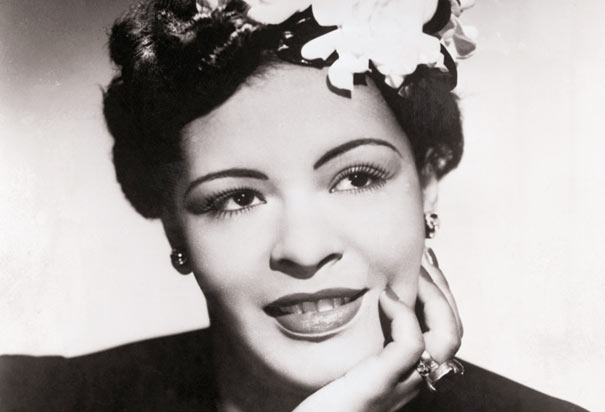
Sometimes music helps me to deal with certain emotions that I’m feeling. Well before I was diagnosed with cancer or felt its harsh social and financial impact, God Bless the Child by the legendary Billie Holiday was one of my favorite songs. But lately both the powerful lyrics and her exquisite delivery keep going through my mind. God Bless the Child extols self-reliance while it condemns those who ignore us, repudiate us or treat us as inferior when we are unable to be self-sufficient. In her autobiography Lady Sings the Blues Holiday indicated an argument with her mother over money led to the song. Apparently during the argument she said the line “God bless the child that’s got his own.” Anger over the incident led her to turn that line into a starting point for a song, which she worked out in conjunction with Arthur Herzog. In his 1990 book Jazz Singing, Will Friedwald describes the work as “sacred and profane” as it references the Bible while indicating that religion seems to have little or no effect in making people treat each other better. Sadly, Billie Holiday was only 44 when she died—she had fought a long, terrible battle with alcohol and drug addiction.

God Bless the Child

Billie Holiday and Arthur Herzog Jr.

Them that’s got shall get
Them that’s not shall lose
So the Bible said and it still is news
Mama may have, Papa may have
But God bless the child that’s got his own
That’s got his own

Yes, the strong gets more
While the weak ones fade
Empty pockets don’t ever make the grade
Mama may have, Papa may have
But God bless the child that’s got his own
That’s got his own

Money, you’ve got lots of friends
Crowding round the door
When you’re gone, spending ends
They don’t come no more
Rich relations give
Crust of bread and such
You can help yourself
But don’t take too much
Mama may have, Papa may have
But God bless the child that’s got his own
That’s got his own

Mama may have, Papa may have
But God bless the child that’s got his own
That’s got his own
He just worry ’bout nothin’
Cause he’s got his own

Image

Billie Holiday