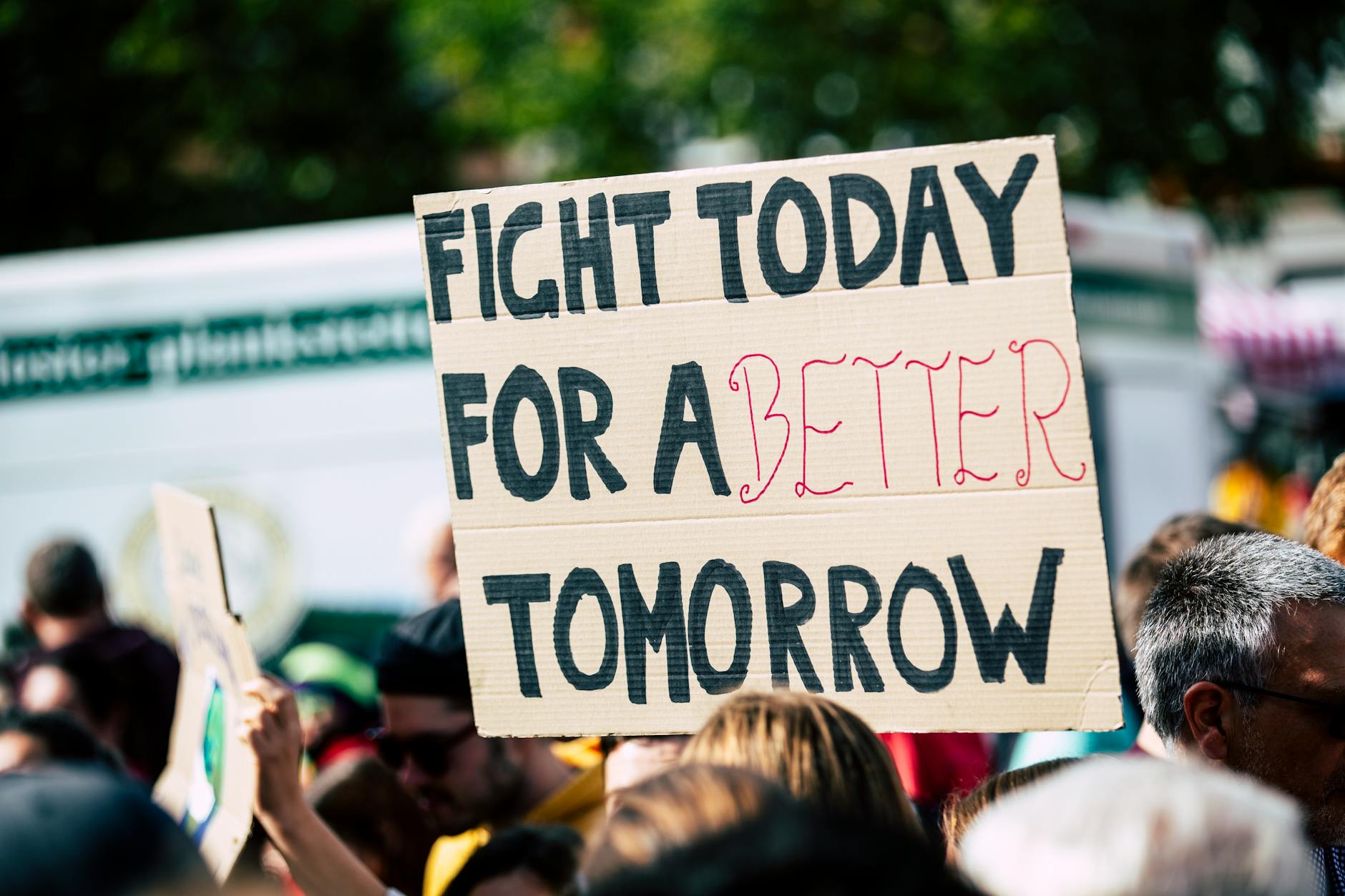
You have one shot at life and there is no dress rehearsal.
It’s been documented that when dying people express regret, it’s usually over the things they did not do during their lifetime rather than the things they actually did. When we attempt to organize our lives around avoiding emotional pain, we often eschew many of the very things that make life meaningful. The truth is intimacy requires vulnerability. Personal growth requires discomfort. Loving other people brings the possibility of loss. Speaking honestly risks rejection or disapproval. Ultimately, trying something new almost always involves accepting the reality that we might fail.
Before my cancer diagnosis, I would often avoid difficult conversations and would try to keep myself occupied so I wouldn’t have to think about my emotions. A smaller world always felt safer to me—there were fewer risks and fewer difficult feelings to face. Now, to my regret, I realize it also meant fewer deep relationships, fewer adventures, and fewer chances to discover what I’m capable of,
Be mindful of life’s beauty and remember to be in the moment.
I’ve learned it’s all right to pause in our hyper-accelerated culture, I’m allowed to take a break when I’m feeling worn-out. My new normal has also taught me I don’t need material things to make me happy, and that family and friends are to be treasured. But perhaps the most valuable lesson I’ve acquired so far during my cancer journey is that life is all too fleeting.
Jon Kabat-Zinn pioneered using mindfulness with cancer patients and other groups battling chronic pain or illness at the University of Massachusetts Medical School. Mindfulness is basically just a technique that allows us to pay attention, a way of awakening our minds and being present in the here and now. With principles found in Buddhism, mindfulness teaches us to live moments in each day rather than focusing on what might lie ahead.
Acceptance and letting go are crucial components of mindfulness. A philosophy of mindfulness encourages us to come to terms with our life, even difficult experiences such as a cancer diagnosis. Acceptance simply means seeing things as they are in the present. Mindfulness doesn’t require that you must like your situation—you don’t necessarily have to assume a passive attitude toward suffering or life’s unfairness. However, you must come to terms with things as they are and acknowledge them, whether it’s a diagnosis of cancer or the possibility of its recurrence in the future.

Your closest relationships should enrich you, not diminish you.
I’ve discovered that friendships and other kinds of relationships change. Moving on from a personal or professional relationship doesn’t mean it wasn’t important; it just means that it no longer serves you. I’ve come to realize that you don’t have to feel guilty about setting boundaries or removing toxic people from your life. It doesn’t matter whether someone is a relative, romantic interest, employer, childhood friend or a new acquaintance—you don’t have to make room for people who cause you pain or make you feel small.
Psychologists have observed that a cancer diagnosis is for most people a major life event, mentally we tend to divide our life into before and after we had cancer. For me it’s been like that, in many ways I feel as if I was given a clean slate or a new beginning. Becoming ill with cancer has required me to both analyze and redefine the relationships I have with those closest to me. In many cases I’ve had to set new boundaries, as I will no longer tolerate toxic or unhealthy relationships. Some personal and business relationships that I had before are finished, as a rule I no longer remain in contact with people who were unable or unwilling to support me throughout my cancer journey.
Now that I’m a cancer survivor, I’ve become more sensitive to the characteristics of toxic people and how they mistreat others. I choose to avoid them whenever possible, meanwhile I set boundaries and keep my composure when I’m in situations in which I must associate with them. A toxic relationship may involve a relative, a friend, your boss, or a work colleague. The harmful individual likely demonstrates at least some of the following characteristics:
- Nothing you can say or do is good enough.
- They comment on your smallest flaw or perceived imperfection.
- They drag up your past and won’t allow you to grow or be different.
- They act like they are flawless and never make mistakes.
- They leave you feeling guilty and ashamed of who you are.
- They are critical, controlling and don’t think about your needs.
- They violate your boundaries and never respect no.
Since surviving a life-threatening illness, protecting my peace has become more important—especially as I grow older.