How Cancer Has Given Me a Better Life: Finding Unexpected Positivity

Although it may seem rather unbelievable, my experience with cancer has brought about important and positive transformations in my life. Confronting my diagnosis of ovarian cancer has compelled me to reconsider my priorities and direct my attention towards what is truly important. Through this awful journey, I’ve discovered unexpected sources of hope and gratitude.

First, the stark reality of being a cancer survivor has allowed me to develop a deeper appreciation for every moment. I’ve learned to truly savour the small joys that each day offers, whether it’s a peaceful walk, a good laugh, or a quiet evening at home. I appreciate little things I used to take for granted, a hot shower, sleeping in my own bed and not at the hospital, watching the sun set over the Rocky Mountains on a crisp autumn evening. Cancer is a life-altering experience, something that has increased my gratitude for the important people in my life and taught me to value the present more than ever before.

My journey through cancer has certainly, on occasion, drawn me closer to my family and friends. I honestly treasure the people who have chosen to remain with me through my cancer ordeal. Today I have fewer acquaintances, but deeper connections with a small number of friends and family members. There have been seemingly unbearable moments when their support has been a source of strength. Together, we’ve navigated shared challenges and had some honest, heartfelt conversations. These experiences have strengthened our bonds, helping us to grow closer and understand one another more deeply. 
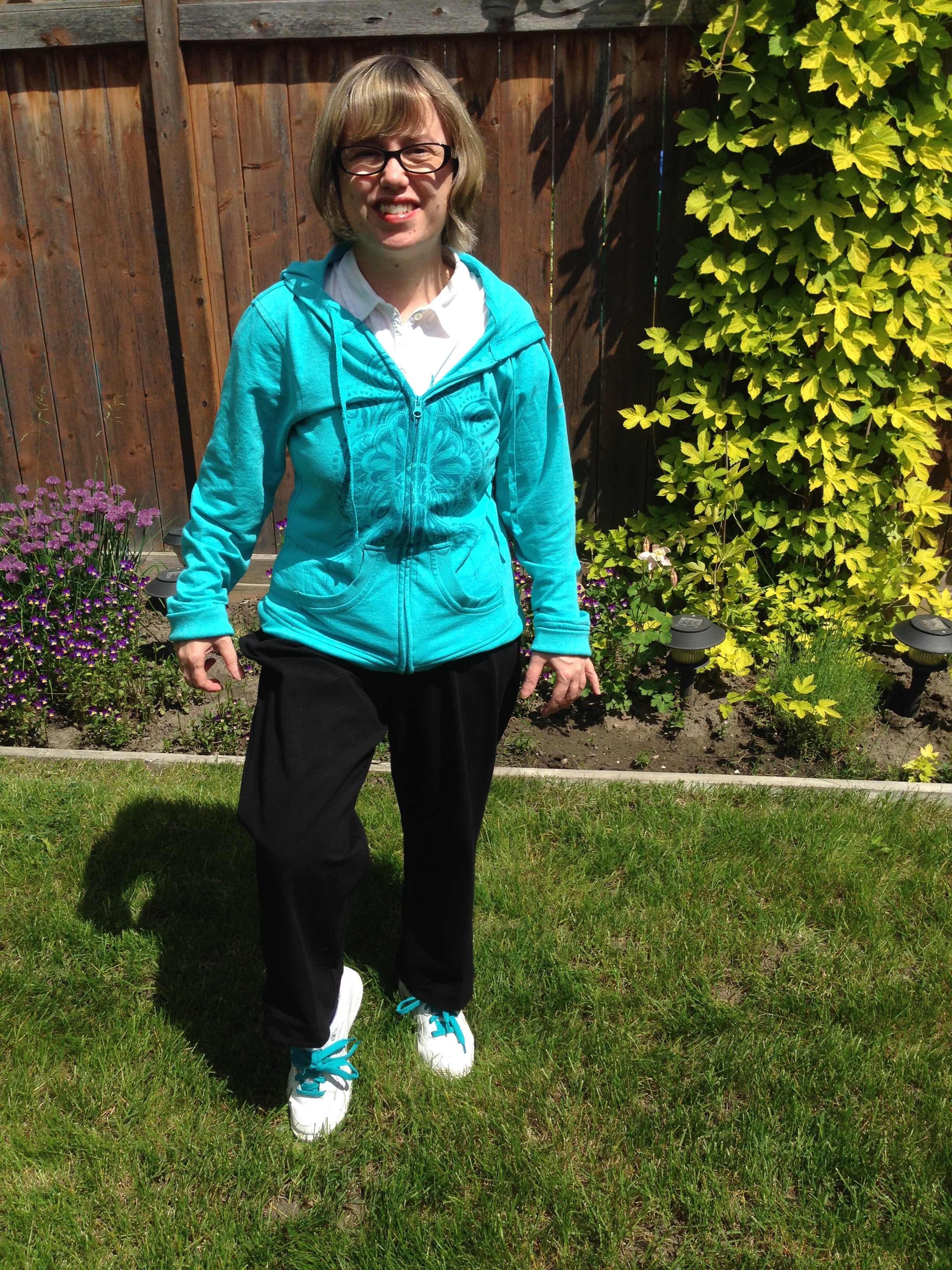
Moreover, receiving a cancer diagnosis has taught me valuable lessons in resilience and patience. I’ve discovered many inner strengths that I didn’t realize I possessed, and I’ve become more empathetic towards others who are facing difficulties. When you are first diagnosed with cancer there are moments when you feel your world is spinning out of control. The fundamental paradox for me now is that I’m often in situations where I feel a sense of power, combined with courage and self-assurance. It’s as if I’m standing in life’s Category 5 hurricane and remaining steadfast and unbroken. 

I’ve noticed that trivial activities no longer appeal to me, nor do those people who engage in a shallow lifestyle or value such things. My social circle has gotten smaller, as I find I have little in common with those who pursue material wealth over spiritual growth. While I recognize that material wealth isn’t inherently bad, I’ve acquired a distain for consumerism. 

Like many people dealing with cancer I’ve sometimes felt isolated from those not going through a similar experience. Relatives, friends and acquaintances mean well, but they’re unable to fully empathize or to understand certain aspects of what I’m going through. Many cancer survivors will attest to the fact that there are times when they are surrounded by people and still feel very alone. This type of emotional isolation occurs when you discover that you can no longer relate to people in the same way you did before. 

Things that were important to you in the past are no longer important to you, and your friends and family don’t understand why you have changed so much. I’ve noticed that the books I read, the movies or television that I watch and the activities that I like to participate in have all changed a fair amount since my cancer diagnosis, so have the topics that I prefer to discuss. This transformation has affected my personal relationships and how I feel about those closest to me.

Similarly, my journey has inspired me to become more intentional about self-care and mindfulness. I now make it a priority to check in with myself emotionally and physically, setting aside time for reflection, meditation, and activities that nurture my well-being. These practices have allowed me to find peace even during periods of uncertainty and have reinforced the importance of living authentically.

Ultimately, as a cancer survivor the opinions of others no longer matter as much to me. There’s true freedom in no longer trying to impress people with what I own of how I look. I’m more able to be myself, be authentic, I have the strength of character to let others think what they will about my personal choices and lifestyle, I now realize that I’m not in this world to always please those around me. Furthermore, I’m no longer focused on competition, which can often give rise to greed or envy.


Earning My Graduate Degree in Cancer Survivorship

Receiving a major cancer diagnosis can feel like it shatters one’s world, changing everything that once seemed stable or certain. As a cancer survivor, I sometimes mentally divide my life into before and after ovarian cancer struck me 13 years ago. The brutal truth is that none of us escape cancer unscathed, it’s a life-changing and life-altering disease. 

There’s a quiet irony in the phrase “cancer survivor,” as if surviving were a single moment rather than a continual process. The reality is that cancer survivorship starts at diagnosis and encompasses the physical, social, and economic aspects from diagnosis to the end of life. From this perspective my survivorship began that moment in my gynecologist’s office when he told me the devastating details of my pathology report. 

Simply being diagnosed with cancer made me a survivor, I didn’t have to wait until after I had completed a full year of treatment or until I was officially in remission. Before the surgeons cut into my body, and before the first drop of chemotherapy solution ran ominously into my veins, I was already a survivor in the eyes of the cancer community. I appreciate now that I’ll always be part of this incredible, strong and resilient group.

Metaphorically, my journey through survivorship has granted me membership to an exclusive club with a hard-earned diploma. I’ve come to value this credential as strongly as I do my degrees in English literature and journalism. Unlike my academic degrees, this was a curriculum I never signed up for, but one that insisted on my attendance day after day. 

Looking back, the lessons were challenging and rarely straightforward. As I commenced treatment, there were semesters of anxiety, and endless days spent waiting for my test results. I ultimately underwent three surgeries and received chemotherapy, meanwhile there were pop quizzes in patience, and essays written in the currency of tears and sleepless nights. My education wasn’t theoretical but lived, and every stage demanded a new set of strengths I never thought I possessed.

At one point during my cancer treatment, I faced life-threatening complications—a situation that resulted in a hospital stay of over 40 consecutive days. Within those hospital walls, I found myself adapting, learning to anchor hope amid the tempest of uncertainty. The syllabus included chapters on vulnerability, sudden courage, and the unexpected generosity of others.

Unlike my previous diplomas that were earned in university lecture halls, my rigorous studies took place at the cancer centre, in hospital rooms and waiting areas. This time, the faculty included compassionate nurses, gifted oncologists, fellow survivors, and loved ones who refused to let me give up when the coursework became overwhelming. 

I remember fellow patients sharing their stories in waiting rooms, and those people who showed up with gentle words or silent companionship. For me, cancer transformed the ordinary into the profound: peaceful afternoons and cups of coffee became rituals of comfort, a sunrise outside my window became a daily affirmation that I had made it through another night.

There were semesters of loss—especially of certainty, of the illusion that I could control the future. But alongside grief grew an unexpected determination. Small acts—walking the hospital corridor, eating half a meal, managing a smile—became victories worth celebrating. I learned to accept help and to relinquish the stoic armour that once defined me. My education in survivorship was collaborative, communal, and deeply personal.

Along the way, I’ve discovered hidden qualities within myself. I’ve been forced to confront vulnerability, to sit with fear, and eventually to find a kind of peace within unpredictability. These lessons were written not in textbooks, but in the margins of my days and in the faces of those who walked alongside me—even if only for a brief stretch of the journey.

With every surgery and every hurdle, my concept of survivorship expanded beyond the physical, weaving itself into my identity in subtle, indelible ways. Over time, I’ve discovered that surviving cancer is not about returning to who I was before, but about learning to live fully—diploma or not—amid the aftershocks, with newfound courage as my credential.

Cruel and Unusual Punishment: The Impact of Danielle Smith’s Policies


I’m appalled that Premier Danielle Smith’s government is implementing certain policies that will increase the suffering of sick and vulnerable Albertans, including cancer patients. At what point does a government’s disregard for the marginalized become “cruel and unusual punishment” or almost contempt for the poor, sick and disabled?

I’m a long-term cancer survivor, understandably I have a deep connection with those in the cancer community and Albertans who must be hospitalized. Smith’s attack on public healthcare has been unending since she came to power Recent cuts have included limiting food services for outpatients using Alberta hospitals and treatment facilities. Patients visiting the emergency department and oncology patients having chemotherapy in short stay units are now being asked to bring their own food or money for purchasing some. 

At first, this government policy was even going to be implemented at the Alberta Children’s Hospital for pediatric cancer patients! However, as the outrage grew over “taking popsicles from cancer kids” an exception was finally made.

A woman with a young son undergoing cancer treatment posted the following on Facebook:

After almost two years in this clinic, as our son continues to battle brain cancer, we have witnessed and experienced first-hand how a simple popsicle can calm a crying child who has just endured another needle poke, or an IV access, or a dressing change, or a lumbar puncture. A ginger ale works to calm a nauseous belly from all these chemo medications. 

How this policy passed into action, I can’t even imagine. Had they asked the nurses, the patients, the parents, maybe they would have realized they could have cut back a bit on the “meals” that often go untouched … but the popsicles? Why the ginger ale or crackers when they literally cannot stomach anything else? Don’t take away this small and sweet piece of joy to these unlucky kids enduring hell… find something else to pick on. Us Oncology families are dealing with enough.”

While Danielle Smith’s government is undermining public healthcare and basic comforts like food services for cancer patients, her lack of compassion has also been evident in other ways. For low-income patients or some cancer survivors with financially disadvantage backgrounds, the only option may be to apply for provincial government assistance. If cancer treatment has left a low-income individual unable to work, or they can work, but only part-time, they will typically qualify for the Alberta government’s Assured Income for the Severely Handicapped.

The AISH allowance is less than $2000 a month, but it’s what some chronically ill or disabled Albertan’s depend on to pay rent and buy food. The federal government recently announced the Canada Disability Benefit, a new program to supplement AISH and alleviate some of the poverty endured by recipients. This was welcome news for approximately 75,000 Albertans, but Smith and her government have made a cold-hearted and morally unacceptable decision.

Our premier has chosen to “claw back” the $200 a month supplement from the federal government. With over 70,000 people on AISH, her United Conservative government stands to take in $15,400,000 a month from the money that is supposed to be lifting some cancer patients and other chronically ill Albertans a little more out of poverty. Smith argues that AISH is generous and already enough for severely disabled Albertans to live on. However, this claim is without evidence, it also doesn’t consider inflation or the rising cost of most everyday essentials like food and rent. 

The appalling news was delivered in a blunt and callous letter sent out to all AISH recipients. First, the letter confirmed the Alberta government’s intention to claw back their new benefit.

“Income from the Canada Disability Benefit will be treated as non-exempt for AISH clients, meaning that your AISH benefits will decrease by the amount of the federal CDB that you receive, With the $200 from the CDB, AISH clients will receive a total monthly government income of $1,901, which is unchanged from their current monthly AISH benefits.”

Secondly, the correspondence stipulated that people on AISH must apply for their federal benefit to ensure that Premier Smith’s government can take it!

“As a client of the Assured Income for the Severely Handicapped (AISH) program, you are required to access all sources of income for which you are eligible, including federal programs such as the Disability Tax Credit and the new Canada Disability Benefit.”

My question is whether growing public pressure will ultimately cause the Alberta government to do the right thing and allow AISH recipients to keep their supplemental income—it’s revenue they desperately need and obviously deserve. Meanwhile, critics continue to raise concerns about the potential impact of Danielle Smith’s proposed changes to many social programs. 

Beyond specific policies, I question Smith’s overall approach to social issues, too often she demonstrates her lack of empathy and understanding for the challenges faced by marginalized groups.

Advocating for Cancer Patients: Why Political Action Matters

Those of us who are facing cancer or who have a loved with the disease are likely to be experiencing the most chaotic and turbulent time of our life. The personal, social and financial burdens are enormous—during treatment every ounce of our time and energy is precious. Still, I believe that we need to try and advocate for ourselves and hold people in positions of power to account. Why should you become more politically active? Here are two important reasons why I’ve personally chosen to speak out about issues affecting cancer patients.

Political Scandals and Corruption in Healthcare

Recently, the outgoing CEO of Alberta Health Services highlighted serious allegations about the potential misuse of taxpayer money by AHS and the Government of Alberta. There are allegations that the Minister of Health, Adriana LaGrange, was involved in dictating the price that AHS was to pay for multi-million-dollar contracts, including chartered surgical facilities. It’s also alleged the minister subsequently directed AHS to cease its internal investigations and conceal the findings.

As a cancer survivor and someone who relies heavily on the public health care system, my reaction is disbelieve and complete outrage. Essentially Alberta’s UCP government is accused of funnelling over $600 million, to a key political donor and then covering it up by firing health executives who were investigating. If proven true, the size and scope of the funding involved would be unprecedented in Alberta history.

The Auditor General is currently conducting a limited review and several other investigations are underway, transparency is essential, and Albertans deserve it. Both Alberta’s New Democrats and the Alberta Medical Association have stressed that a comprehensive, independent public inquiry is needed. Meanwhile, with every new revelation in what the NDP have dubbed the “CorruptCare” scandal, the chorus calling for a public inquiry grows louder.

An inquiry, conducted under the Public Inquiries Act, would ensure a non-political and impartial investigation, allowing the public to assess health care spending and address any potential government interference. It would ultimately allow cancer patients and their families to assess an unprecedented scandal that may have potentially undermined their quality of treatment.

Misinformation and Detrimental Health Policies 

The Trump administration is a threat to healthcare, both in the United States and globally. For instance, Robert F Kennedy Jr.’s appointment as Secretary of Health and Human Services is cause for grave concern. Long before the COVID-19 pandemic, Kennedy was building up a following with his anti-vaccine nonprofit group, Children’s Health Defense, and becoming one of the world’s most influential spreaders of fear and distrust around childhood vaccination. Now President Donald Trump has chosen Kennedy to lead the Department of Health and Human Services, which regulates vaccines. 

As the secretary of the HHS, Kennedy has oversight over 11 agencies including the FDA, the CDC and the National Institutes of Health. He has frequently come under fire from both Democrats and Republicans for some of his controversial beliefs – the most contentious being his extensive history of anti-vaccine work and rhetoric. I’m especially concerned about his active stance against cancer vaccines and his efforts to undermine confidence in them. 

Kennedy has specifically focused on the HPV vaccine Gardasil. In a 2019 video posted on his Children’s Health Defense website, Kennedy called Gardasil “the most dangerous vaccine ever invented.” In truth studies have proven Gardasil is safe and that it is nearly 100 per cent effective against cancers caused by the human papillomavirus – most notably cervical cancer. 

New estimates were published last month by the Centers for Disease Control and Prevention. The U.S. government report adds to evidence that the HPV vaccine, once called dangerous by Kennedy, is preventing cervical cancer in young women. The recent report found that from 2008 to 2022, rates for precancerous lesions decreased about 80 per cent among 20 to 24-year-old women who were screened for cervical cancer. 

HPV, or human papillomavirus, is common in the adult population. Most HPV infections cause no symptoms and clear up without treatment. But HPV also has the potential to develop into cervical cancer as well as some other forms of malignancy, thousands of cases a year, according to the CDC. Women in their 20s are the group most likely to have been given the Gardasil vaccine, which has been recommended in the U.S. since 2006 for girls and since 2011 for boys.

HPV vaccine, including Gardasil, is currently free in Canada for certain ages and groups of people through publicly funded programs. It’s also available for purchase privately. All provinces and territories currently offer the vaccine for free through school-based programs and catch-up programs. In Alberta, students in grade 6 receive the HPV vaccine as part of the school immunization program.

Cancer as a Loaded Gun and Other Metaphors

Over a decade has passed since I last underwent surgery or had chemotherapy, in many ways my ordeal has become a distant memory, a blur of hospitalizations, trips to the cancer centre and having my life completely upended. Only about half of women with ovarian cancer live beyond five years, fewer still become cancer free. Yes, I’m one of those fortunate ones. However, I still don’t believe in the term “cured” to describe the status of my ovarian cancer, I will only say that I”m in remission or NED (no evidence of disease). 

For me the fear of recurrence is ever-present, an insidious shadow that lingers in the back of my mind. I’ve been released from the cancer centre, and I no longer visit my oncologist for regular assessments. Still, I’m constantly reminded of the fragility of my remission by every ache, every medical scan, and every follow-up visit to my family physician. This uncertainty is a heavy burden to bear. It can be like living your life on a precipice, not knowing if or when you might fall off.

Every moment of normalcy is tinged with an underlying sense of dread that the cancer might return, that the nightmare might start all over again. I’ve somehow learned to navigate life with this invisible weight, to cherish the days of health while always bracing for the possibility of illness. For me, it’s become a delicate balance between hope and fear, between trying to live fully and the anxiety that the disease could reappear at any time.

The lifelong threat of recurrence that I’ve had to accept is complicated to convey to those who’ve never had their physical health suddenly and viciously destroyed. One person graphically compared the experience to being forced to live with a loaded gun pressed against the back of your head.

“Imagine you’re going about your day, minding your own business, when someone sneaks up behind you. You feel something press up against the back of your head, as someone whispers in your ear. “Sssshhhhh…. don’t turn around. Just listen. I am holding a gun against the back of your head. I’m going to keep it there. I’m going to follow you around like this every day, for the rest of your life.”

“I’m going to press a bit harder, every so often, just to remind you I’m here, but you need to try your best to ignore me, to move on with your life. Act like I’m not here, but don’t you ever forget one day I may just pull the trigger, or perhaps I won’t. Isn’t this going to be a fun game?” 

I find this an effective metaphor for what it’s like to be diagnosed with cancer—to be living with any stage of cancer, or any type of the disease. For most survivors, remission doesn’t change the constant fear, the profound uncertainty and apprehensiveness never entirely disappear. Please, if you have friend or loved one who has ever been diagnosed with cancer, consider this fact. They may never talk about it, or they may wish to talk about it often. The most compassionate thing you can do is listen to them. They aren’t asking you to make it better; they simply want you to sit with them in their fear, their sadness, their anger, just for the moment. 

Don’t try to talk us out of the difficult emotions that we’re experiencing. That approach doesn’t help, and it will only make us believe that what we are going through is being minimized. Don’t remind us of all the good things we still have in our life, we know, and we’re grateful. But some days we’re tremendously uneasy—we feel that gun pressing ominously against us, and we need to talk about it. Offer us an ear.

Some Words of Inspiration for Cancer Survivors in 2025

As we welcome 2025, I’m not going to use this blog to give a lecture about New Year’s resolutions or to suggest that you make elaborate promises to yourself. I realize that living with cancer often renders such gestures trivial and that your life is probably being planned week-by-week or month-by-month. Instead, I’ve chosen to share some of my favorite motivational quotations, may these compelling words make the beginning of another year a little less daunting for you and may the theme of infinite hope provide you with strength and inspiration for your cancer journey.

A letter from poet Ralph Waldo Emerson to his daughter

“Write it on your heart
that every day is the best day in the year.
He is rich who owns the day, and no one owns the day
who allows it to be invaded with fret and anxiety.

Finish every day and be done with it.
You have done what you could.
Some blunders and absurdities, no doubt crept in.
Forget them as soon as you can, tomorrow is a new day;
begin it well and serenely, with too high a spirit
to be cumbered with your old nonsense.

This new day is too dear,
with its hopes and invitations,
to waste a moment on the yesterdays.”


Anthem a song by Leonard Cohen

The birds they sang
At the break of day
Start again
I heard them say
Don’t dwell on what has passed away
Or what is yet to be

Ah, the wars they will be fought again
The holy dove, she will be caught again
Bought and sold, and bought again
The dove is never free

Ring the bells that still can ring
Forget your perfect offering
There is a crack, a crack in everything
That’s how the light gets in


“The best way to predict your future is to create it.”
A famous quote from Abraham Lincoln

This quote from Lincoln emphasizes the importance of taking control of our own lives and shaping our own future. It suggests that we more often than not have the power to create our own destiny through our actions and choices. It’s an urgent call to action, reminding us that we are in control of our own lives and that we can shape our future. It encourages us to be proactive and take action to achieve our goals, rather than waiting for things to happen to us. Above all this quotation suggests that our future is not completely predetermined, but rather something that we can actively influence and shape. It maintains that in most situations we have the power to change our circumstances and create a better future for ourselves.

The Dangers of Trump’s Health Policies: A Canadian Cancer Survivor’s Perspective

I am devastated by the results of the 2024 U.S. presidential election; I’m gravely concerned about what a second Trump administration means for that country and our already turbulent world. I’m worried about the impact a Trump presidency will have on the sick, the disabled and the marginalized. As a survivor of ovarian cancer, my thoughts are especially with the cancer community.

If Trump is true to form, he’ll work tirelessly to achieve his detrimental campaign promises, his proposed policies would utterly decimate cancer research and health insurance coverage. I personally believe that basic healthcare should be a right rather than a privilege, maybe I’m radical that way—in that case, I’m proud to be extreme. If thinking that getting cancer shouldn’t be a leading cause of bankruptcy makes me a woke leftist, then so be it. 

Long before the COVID-19 pandemic, Robert F. Kennedy Jr. was building up a following with his anti-vaccine nonprofit group, Children’s Health Defense, and becoming one of the world’s most influential spreaders of fear and distrust around vaccines. Now, President-elect Donald Trump has chosen Kennedy to lead the Department of Health and Human Services, which regulates vaccines. Experts warn of what’s to come now that Kennedy has been placed in control, it’s especially worrying for children, the elderly and cancer patients.

Whenever I think about the American people choosing Donald Trump to lead them for the second time, a poem that I know immediately comes to mind. In 2007, Beat poet Lawrence Ferlinghetti wrote the poem Pity the Nation. He was inspired by Kahlil Gibran’s poem of the same title first published in 1933. Ferlinghetti wrote his version of Pity the Nation when he was 88. Putting pen to paper near the end of George W. Bush’s presidency, he saw much to protest and had a loud voice amongst the literary left.


Pity the nation whose people are sheep
And whose shepherds mislead them
Pity the nation whose leaders are liars
Whose sages are silenced
and whose bigots haunt the airways
Pity the nation that raises not its voice
but aims to rule the world
by force and by torture
And knows
No other language but its own
Pity the nation whose breath is money
and sleeps the sleep of the too well fed
Pity the nation Oh pity the people of my country
My country, tears of thee
Sweet land of liberty!

Cancer Guilt: Understanding the Misconceptions

Cancer isn’t our fault.

One of the most disturbing revelations for me after being diagnosed with cancer was the amount of guilt and blame there is surrounding the disease. We still live in a society that subtlety, or even openly, tells cancer patients that it’s our fault. Two years ago, before she was Alberta’s provincial leader, Premier Danielle Smith made a shocking comment in which she essentially blamed cancer patients for their condition.

Smith’s now infamous comment was made during a podcast with naturopathic doctor Dr. Christine Perkins. The two were discussing healthcare and their shared belief that there’s a need for both mainstream and naturopathic medicines.

“Once you’ve arrived and got stage four cancer and there’s radiation and surgery and chemotherapy, that is incredibly expensive intervention — not just for the system, but also expensive in the toll it takes on the body,” Smith reasoned. “But, when you think everything that built up before you got to stage four and that diagnosis, that’s completely within your control and there’s something you can do about that that is different.”

We aren’t simply on vacation or short-term sick leave.

Ordinarily healthy people tend to assume that having cancer or a serious chronic illness is comparable to a couple of weeks spent recovering—perhaps from a slight injury or minor surgical procedure. This attitude probably stems from genuine ignorance, far too many people don’t understand the impact that cancer and cancer treatment have on the human body. Still, it can be devastating when co-workers or relatives imply that you are lazy or enjoying a relaxing break. “Why aren’t you back at work yet? It must be nice to be able to stay home all the time.” 

We can’t just resume our lives as if nothing happened.

Some pundits seem to think that, once we regain some of our strength and physical health, we should put the fact that we had cancer behind us and simply carry on with life. While I’m currently in remission, those dark days of surgery and chemotherapy have permanently changed my body and affected my psyche. In addition to a fear of recurrence, I’ve had to accept physical changes. These transformations include the fact that my abdomen is severely scarred and that I have significantly less energy or vitality than I did prior to undergoing cancer treatment. It’s also worth mentioning that, like so many other cancer survivors, I’ve had to deal with disability. In my case, I had substantial hearing loss prior to my cancer, but the chemotherapy drugs that were used have spitefully robbed me of even more

We don’t need medical advice from non-experts.

When I was undergoing treatment, I can remember getting angry when people other than my cancer care team would try to give me medical information. “If I want information regarding cancer or cancer treatment, I’ll ask for it,” I thought. The many articles from newspapers, magazines or online publications that I received from people who had never personally had cancer were annoying. For the most part these pieces were irrelevant and unnecessary. Also friends and family should be careful when presenting teas, potions or homeopathic remedies to treat cancer. When some individuals gave me a gift basket with ginger and dandelion root, I didn’t bother to explain to them that these nutrients are specifically mentioned on a list oncologists give to their patients. Ginger and dandelion root do not combine well with many traditional chemotherapy drugs, and therefore I was told to refrain from using them during active treatment with Carboplatin and Taxol.

Our cancer journey doesn’t end once our treatment is over.

As a woman who has experienced gynaecological cancer, I’ve come to accept one commonly held view of cancer survivorship:

“Cancer survivorship begins at diagnosis and covers the physical, psychosocial, and economic issues of cancer, from diagnosis until the end of life.” 

First, I accept the all-encompassing notion that’s presented in this definition because cancer does impact every single aspect of a person’s life. In retrospect, I also believe that my survivorship began that moment in my gynecologist’s office when he told me the devastating details of my pathology report. 

Simply being diagnosed with cancer made me a survivor, from this perspective I didn’t have to wait until after I had completed a full year of treatment or until I was officially in remission. Before the surgeons at the Tom Baker Cancer Centre cut into my body, and before the first drop of chemotherapy solution ran ominously into my veins, I was already a survivor in the eyes of the cancer community. I appreciate now that I’ll always be part of this incredible, strong and resilient group.

Cancer Care is on Life Support While Patients Languish

For cancer patients in Alberta, and indeed for the entire cancer community, there’s a looming sense of dread—a feeling that the status quo is unsustainable and the system that provides care to us could soon collapse. 

The backlog of patients, due for the most part to the province’s shortage of oncologists, has become increasingly dire. An internal report that was presented to Alberta Health Services this May found that the number of new cancer referrals grew by 18 per cent between 2018 and 2023. Furthermore, the report revealed the number of patients seen outside the Alberta Health four-week target jumped by nearly 70 per cent over the last five years.

As the number of new cancer patients continues to outpace the number of new oncologists in the province, wait times are going up. Five years ago, patients requiring medical oncology care waited an average of 6.3 weeks for their first consult. In the first quarter of this year, the average wait time for it was 10.3 weeks. There have been several cases recently of Alberta patients dying before they could be formally assessed by a medical oncologist or start a treatment plan.

Steven Wong of Edmonton died in mid-July, leaving his wife without her husband, their three young boys without their father and a family without faith in Alberta’s health care system. Not once did Wong or his wife, Cici Nguyen, see or speak to a medical oncologist — doctors who specialize in the diagnosis and treatment of cancer — before his death.

The new Arthur J.E.Child Comprehensive Cancer Centre in Calgary sits unused and is scheduled to open later this year. With a shortage of cancer specialists the magnificent building alone may not be enough.

Athletic at age 41, Wong was a project manager for a real estate investment company and busy dad of three — he was a non-smoker and non-drinker and was healthy, as far as he knew. However, earlier this year a diagnosis of gastric cancer changed everything. An ER visit’s endoscopy had shocking news. It found a large stomach tumour. Wong’s tumour took him from heartburn to “inoperable” in just weeks. Referrals to the Cross Cancer Institute timed out as complications set in. Gastric bleeding. Perforation. A collapsed lung. Infection.

The stark reality is that Alberta has an excellent system of cancer care, but it’s functioning with tremendously limited resources. With resources as scare and labour intensive as they are, the triage of oncology is the tyranny of the healthiest, the earliest diagnosed, with priority going to the ones most likely to benefit in a life-saving way. Wong’s cancer was advanced, and almost surely not curable.

CiCi Nguyen is certain her husband would have died with, or without, the timely help of a medical oncologist. But she insists it’s just not right Alberta’s medical system failed to give Steven Wong the opportunity to prolong his life. “We never heard from the actual oncologist themselves or anyone from the Cross Cancer Institute explaining to us why we couldn’t see somebody,” said Nguyen. “He didn’t deserve the way he was treated at the end.”

As with many cancer survivors and cancer care specialists, I’m furious as well as demoralized— with much of my growing frustration directed at our provincial government. A report presented to Alberta Health Services CEO Athana Mentzelopoulos from Cancer Care Alberta confirmed a widening gap between cancer referral and cancer treatment in the province since the UCP government took power. Waits for oncology and treatment have surged over the past seven years, while the number of new cancer patients has significantly increased.

Dr. Alika Lafontaine, a former president of the Canadian Medical Association, has voiced his concerns regarding healthcare in Alberta.

The Cancer Care Alberta study points to several major factors affecting Alberta’s capacity for cancer treatment, one is that as medical science has advanced there is a growing complexity and chronicity of cancer care. However, the other factors cited are largely the responsibility of the provincial government, under their control is workforce and manpower as well as capital infrastructure and equipment.

The report’s author, Dr. Dean Ruether, medical director of community oncology in Alberta, said the province continues to struggle with wait times that are unacceptable and getting worse. “Physicians continue to advocate for their patients, express concerns over the delays in getting patients into our system and to treatment and are sharing their own distress at watching this problem grow,” he stated. Of course, patient complaints about delays are increasing, many are expressing their outrage to oncologists, to Alberta Health and the health ministry,

I wasn’t surprised when Dr. Alika Lafontaine, a former president of the Canadian Medical Association, took to social medica to stress just how serious the overall healthcare crisis has become.  “As a rural specialist who has been in Northern Alberta for the past 12 years, I can compare the state of healthcare today with rural healthcare when I first arrived here,” he wrote. 

“Capacity just wasn’t an issue in 2011. If an emergency came in, we handled it. There was no triaging of resources or placing patients in doom loops where they cycled round and round as they were promised care but never received it. It is clear we do not have enough skilled providers in the health system to accommodate demand. If more professionals leave to other places—private insurance, private care, another province, the US, or leave medicine entirely—health access will disappear.”  

When the Poppies Bloom

You are the masterpiece, and your life is the canvas. Express yourself boldly, Live and breathe in full colour, and make every mark matter. It’s never too late to imbibe all you create with clear intention and kindness and enjoy the rewards of your courage.

Lisa Azarmi


I believe that nearly all cancer patients arrive at a stage in their difficult journey that’s like reaching the peak of a mountain. When this occurs, we have an epiphany, a feeling of conquering something we though was insurmountable.

For some cancer patients this might mean ringing the bell after chemotherapy or radiation treatment has finished, for others it might be turning the corner after several months of unbearable physical or emotional suffering. I’ll always remember my moment of cancer epiphany, it happened on July 1, 2012.

First, I reached an unparalleled low physically and emotionally during the spring of 2012, I was five months into my cancer journey. My path had been relentless, brutal and unlike anything I’d ever had to face before. When the spring finally materialized after a seemingly endless winter, I’d already had two major abdominal surgeries as well as four chemotherapy infusions. Even through fatigue and nausea, I remember watching a pair of finches build their nest in my yard.

In May I learned I was facing a potentially life-threatening complication due to my rigorous cancer treatments. Bowel blockages occur at an alarming rate for people diagnosed with gynecologic cancers— although when I was an innocent newcomer to the realm of ovarian cancer, I still had little idea how common these obstructions are in patients with the disease. For a long time, I thought my symptoms of severe nausea and abdominal discomfort were due to the chemotherapy drugs alone and that no other medical issues were at play.

Eventually, vomiting and in pain, I was transported to the emergency room through early rush hour traffic. It was a bright May morning when I entered the doors of Calgary’s largest medical centre and was admitted suffering from a bowel blockage. With hindsight, I realize that nothing could have prepared me for the invasive medical procedures that I was about to endure in the coming weeks or for the length of my hospitalization. I acknowledge that at first, I literally wanted to die rather than deal with what was happening. 

Seven agonizing weeks would elapse in the hospital, during this period I received virtually all my nutrition through a peripherally inserted central catheter (PICC or PIC line). A decision was finally made to operate a third time, and on June 18, 2012, intestinal surgery was skillfully performed. When I awoke in the recovery room, I sensed that my crisis was at last resolved. Although only half-conscious, I was filled with elation as they informed me that the procedure to correct my obstruction had been successful. 

The primary cause had been extensive scar tissue from my previous operations, a couple of bowel resections had to be performed. With this intervention, my stomach was expected to empty normally into to my small intestine again. Most of all, I was comforted and reassured by the fact that, although there had been scarring and adhesion, my cancer had not visibly metastasized to other regions of my body.

My discharge from the hospital ultimately took place on a balmy July afternoon; the clothes I had worn nearly two months earlier felt hot and loose fitting. I was so weak from my ordeal that I struggled to walk just 10 or 20 metres, but I was in awe as I observed how the seasons had changed and nearly everything had been transformed. I can still remember the blissful car ride home and my sense of anticipation during that short, but very emancipating, commute. Even the fresh air filling my lungs was like a breath of freedom.

Upon arriving at the small bungalow where I live, something magical occurred. As my eyes surveyed the backyard, the unexpected sight of poppies in full bloom completely overwhelmed me. It was as if I were seeing them for the first time. Now, each year, I remain inspired by their exquisiteness—even if my cancer returns I’m encouraged by the realization that their brilliant orange petals and intricately designed purple centres will never appear ordinary to me again.