Lessons in Survivorship: The Wisdom of Cancer

PurpleRain

As I’ve mentioned before in this blog, self-assessment or the need to reprioritize your life is a virtually inevitable part of being a cancer survivor. This month marks the fourth anniversary of my diagnosis. My gynecologist informed me of my disease on November 3, 2011, and this will always remain one of the most significant days of my life. How can one explain such a profound and life-altering event to a person who has always been relatively healthy? Some psychologists and experts have observed that cancer patients divide their lives into two parts or that we are figuratively born twice.

Since the beginning of my cancer experience there have been moments of epiphany and numerous opportunities for personal reflection. I want to share a few of the survivorship lessons that I’ve come to terms with over the past four years. According to professionals in the cancer field, survivorship is living with and beyond cancer. Survivorship covers the physical, psychosocial, and economic issues of cancer, from diagnosis until the end of life. This is some of what I’ve learned so far.

If something isn’t going to matter or have any impact five years from now, I probably shouldn’t spend time worrying about the issue. Not until my diagnosis with cancer did I realize how much time I spend worrying about the future or regretting the past. I believe more than ever in the importance of focusing my attention on the present. I can live each moment only once, so why waste that precious moment in a state of self-induced stress or anxiety? As for the direction of my life, I’ve ultimately gained a clearer perspective about what my priorities are—I’m proud of my ability to concentrate on the values and relationships that I know are the most significant.

I tend to enjoy my own company more than I enjoy being in groups or socializing with other people. I’ve accepted that I’m an introvert and there’s nothing wrong with the way I am, it’s not necessary for me to apologize. I lament the fact that my personality type is so frequently misunderstood and that introversion is often confused with being shy. Shyness is the fear of negative judgment, and introversion is a preference for quiet, minimally stimulating environments. I become the most upset when I’m accused of disliking people in general and of lacking the skills to be an extrovert. The truth is that introverts comprise at least one quarter of the population and we continue to make our own unique contributions to society.

istock_000007951394medium

It’s counterproductive to surround myself with people who don’t want to be with me or don’t value me. I’ve reached a point on my cancer journey where I find it’s no longer necessary to impress anyone. If they like me the way I am, that’s fine. If they don’t, it’s their loss.

I’ve definitely developed zero tolerance for having toxic people in my life.

Some Signs of a Toxic Person

Nothing you can say or do is good enough.
They comment on the smallest flaw or perceived imperfection.
They drag up your past and won’t allow you to grow or be different.
They act like they are fabulous and never make mistakes.
They leave you feeling guilty and ashamed of who you are.
They are critical, controlling and don’t think about your needs.
They leave you feeling beaten, wounded, battered bruised and torn.
They violate your boundaries and never respect no.
They don’t care about your feelings and they like to see you suffer.
It’s always about them and what they think and want and feel.

I rarely use the word someday and I try to avoid talking about future plans in vague or uncertain terms. Most people I know take the future for granted and think of it as something that will always be there for them. In 2012 I spent over a month and a half on Unit 42 at Calgary’s Foothills Hospital. This women’s cancer ward is predominately a place of bravery, triumph, heartbreak and tears. When I looked into some of the other patients’ eyes, I could see them begging for a future, and I understood that they would do almost anything for the gift of just a few more months in this world. As a cancer survivor I’ve discovered how precarious tomorrow really is and that you can’t always depend on someday.

50eb27d44683b9c588386c68616f

I’ve learned it’s not wrong to put my own needs first and that it’s essential to take care of myself physically and emotionally. After undergoing five cycles of chemotherapy and three cancer surgeries within eight months—I’m finally treating my body with the respect it deserves. We’re all pressured daily to move faster, do more, sleep less, earn more money and obtain that promotion. Within the cancer community, I hear the term “self-care” a lot. I don’t know if I’m fond of the expression, but it’s a concept I believe in strongly, I consider it particularly relevant for women with cancer. As women we are socially encouraged to give everyone else our time, energy and attention—but often feel conflicted or guilty when we stop long enough to take equally thoughtful care of ourselves.

How to Slay the Dragon: Fear, Anxiety and Cancer

guilt

Fear is one of my constant companions on this cancer journey, for nearly four years now it has attempted to overcome me and prevent me from living the life I want. Naturally, when I was first diagnosed with ovarian cancer and saw my pathology report a series of unsettling questions raced through my mind. Consulting with a team of oncologists at Calgary’s Baker Centre only seemed to increase my anxiety over my condition. Will the recommended treatment be successful or will I die? Will undergoing another major surgery followed by chemotherapy be too agonizing and unbearable? Now that my oncologist has informed me that I’m in remission, it’s the fear of my cancer recurring that I have to cope with on a daily basis.

In this post I’d like to share several of the best techniques that I’ve discovered for cancer survivors to master their fear and not let it control them.

Remember That Your Journey is Unique

Most women with ovarian cancer have at least one relapse within five years of being diagnosed, but I frequently remind myself that this standard rate of recurrence won’t necessary happen to me. The reality is that medical science has established that all cancer patients are unique. What’s more, because cancer statistics are based on large samples of people, they cannot be used to predict exactly what will happen to a single individual. Everyone is different. Treatments and how people respond to treatment can differ greatly. I strongly suggest trying to follow these essential rules:

  1. Resist the temptation to compare the disease in your body to what is happening to other people, even in situations when the type or stage of cancer is highly similar.
  2. Don’t dwell on statistics or the possibility of recurrence.

Practice Mindfulness

I’ve discovered that one of the best ways to quiet my mind and focus my attention is a technique called mindfulness. Jon Kabat-Zinn pioneered using this method with cancer patients and other groups battling chronic pain or illness at the University of Massachusetts Medical School. Mindfulness is basically just a way of paying attention, a way of awakening our minds and being present in the here and now. With principles found in Buddhism, mindfulness teaches us to live moments in each day rather than focusing on what might lie ahead.

Acceptance and letting go are crucial components of mindfulness. A philosophy of mindfulness encourages us to come to terms with our life, even difficult experiences such as a cancer diagnosis. Acceptance means seeing things as they actually are in the present. Mindfulness doesn’t require that you have to like your situation—you don’t necessarily have to assume a passive attitude toward suffering or life’s unfairness. However, you must come to terms with things as they are and acknowledge them, whether it’s a diagnosis of cancer or the possibility of its recurrence in the future.

Appreciate the Joys of Nature

K-Country

It’s generally agreed that exposure to nature is extremely beneficial for people with cancer or other chronic illnesses, improving mood and easing anxiety, stress, and depression. Current research findings suggest that natural settings such as parks, wilderness areas, urban green spaces and gardens have the potential to improve both physical and mental health. Numerous health scholars claim that ecotherapy can promote wellness and healing. The practice is also known as green therapy, nature therapy, and earth-centered therapy.

Take Part in Exercise or Physical Activity

Studies have proven the benefits of exercise for cancer patients. Of course, vigorous physical activity might not be possible during treatment and you should always consult with your doctor before beginning an exercise program. It will take more effort to become active if you were accustomed to a sedentary lifestyle before your cancer diagnosis. Many people feel so excited about “getting healthy” that they try to do multiple things at once, and that’s a recipe for burnout. Try focusing on just one type of exercise first. Some research indicates that a behavior change is more likely to ensue when you’ve identified what you really want from it. You may be seeking better moods or stress relief, or maybe you just want to connect with a fellow cancer survivor or workout buddy—it doesn’t matter, as long as you know what your goals are.

Have at Least One Regular Hobby

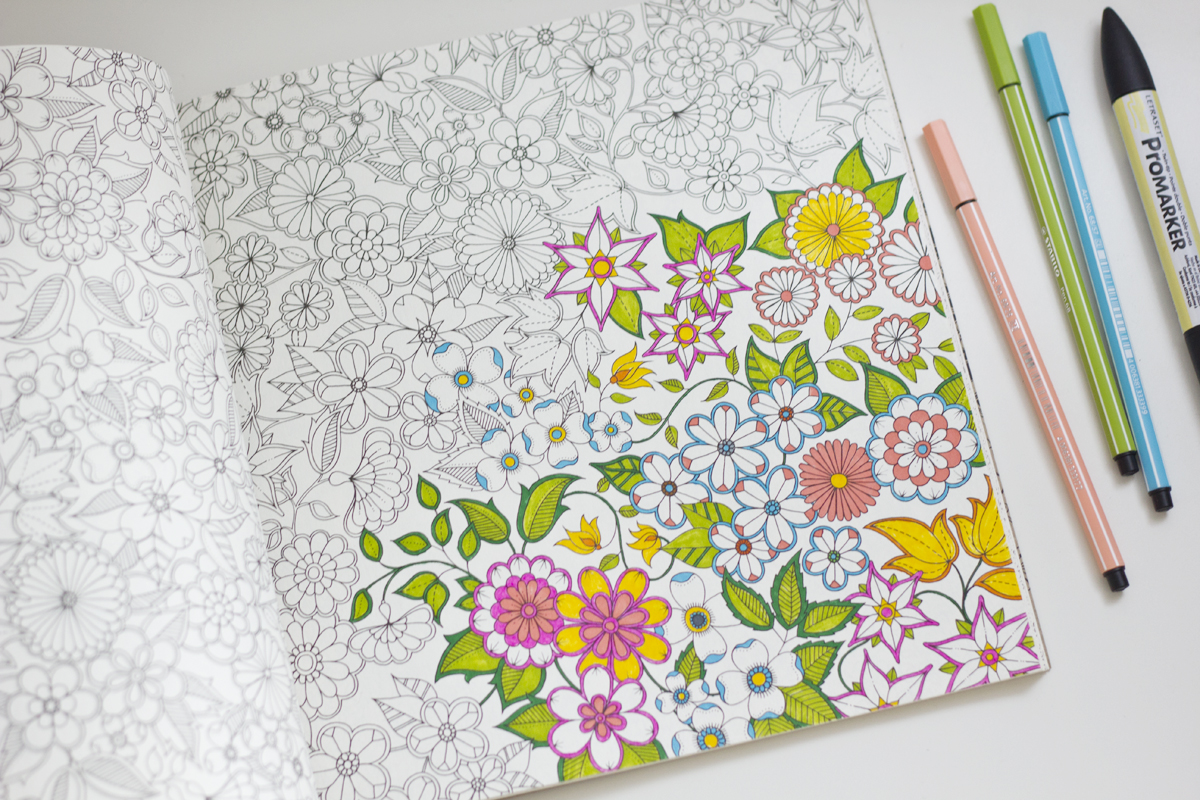
Secret-Garden

There’s an emerging group of professionals who employ the arts to help people heal. The new field is called creative arts therapies, and it encompasses a wide range of modes of expression including art, dance/movement, drama, music and poetry. When cancer patients undertake these activities, whether individually or with the guidance of a creative art therapist, they stand to benefit psychologically and emotionally. Recently there’s been a trend toward simple or old-fashioned crafts and hobbies such as knitting. Some adults are even using colouring books to relax and reduce daily stress. This concept started several years ago with the publication of Johanna Basford’s Secret Garden. Her colouring book for adults has since been translated into 14 languages and has sold over one million copies.

It’s All So Trivial: Emotional Isolation and Cancer Patients

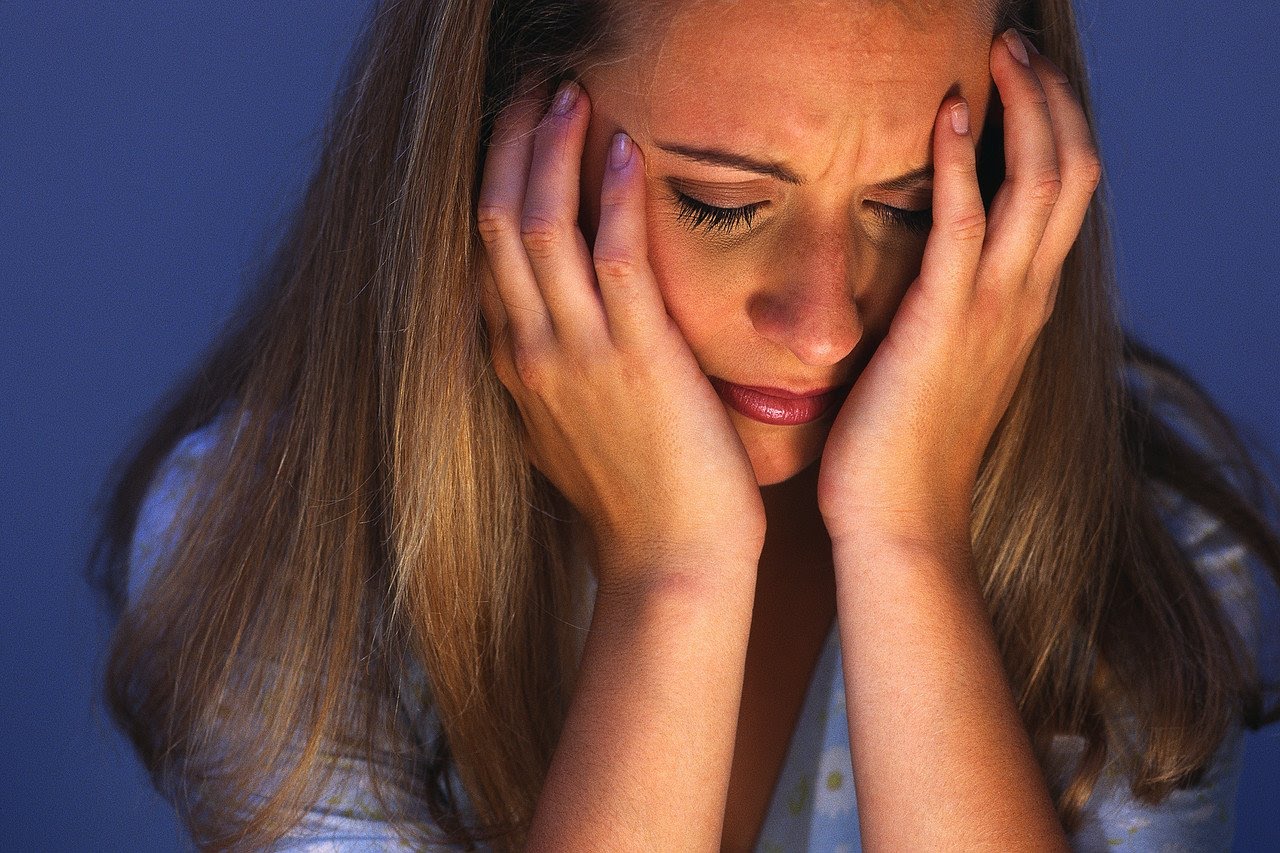
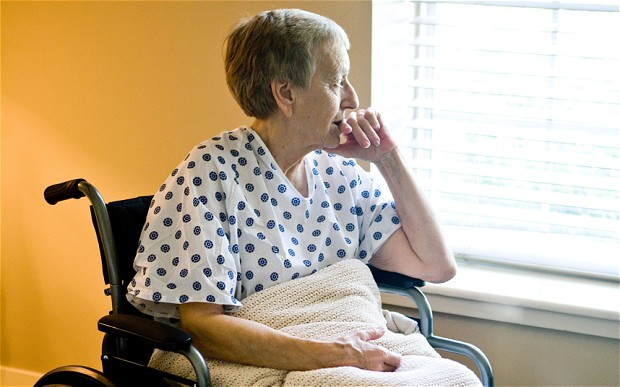
loneliness

In my introductory blog post, Survivorship 101, I defined the concept of cancer survivorship. Survivorship refers to the physical, psychological, social, and economic issues of living with cancer, from diagnosis until the end of life. In this post I would like to delve deeper into some of the social and psychological aspects of having cancer. For example, a major cancer diagnosis often causes you to view the world differently—things that once seemed enormously important may lose significance and become almost trivial. Personally, I’ve discovered that physical attractiveness, material possessions and social status all matter less to me now. These things frequently seem to fade into irrelevance as I confront a life-threatening illness. Meanwhile, my relationships with other people, discovering ways that I can make a difference in the world and learning more about the essence of who I am are currently at the forefront of my agenda and have an extremely high priority to me at the moment.

Like many people dealing with cancer I’ve sometimes felt isolated from those not going through a similar experience. Relatives, friends and acquaintances mean well, but they are unable to fully empathize or to understand certain aspects of what I am going through. Many cancer survivors will attest to the fact that there are times when they are surrounded by people and still feel very alone. This type of emotional isolation occurs when you discover that you can no longer relate to people in the same way you did before. Things that were important to you in the past are no longer important to you, and your friends and family don’t understand why you have changed so much. I’ve noticed that the books I read, the movies or television that I watch and the activities that I like to participate in have all changed a fair amount since my cancer diagnosis, so have the topics that I prefer to discuss. This transformation has affected my personal relationships and how I feel about those closest to me.

loneliness bench

According to the Alberta CancerBridges team, such deep-seated feelings of isolation have been well documented in the cancer care literature. There is even a term that has been created to describe this experience—it’s known as survivor loneliness. Last summer I watched a rare long-term survivor of ovarian cancer address the crowd at an Ovarian Cancer Canada fundraiser. I admire her ability to speak eloquently in public about her decade long struggle. Throughout her speech she had nothing but praise for her friends and family, I could sense that she is profoundly grateful for the unconditional love and support that they have given her over the years. But paradoxically, the former nurse also characterized her personal battle with cancer as a “long lonely journey.” Survivor loneliness can take many forms and occur for a number of reasons. It’s typically felt as a profound sense of isolation from the people around you. As one battles cancer, this sense of isolation can arise from a feeling that you are alone in your awareness of mortality.

Since my cancer diagnosis two years ago, I’ve been required to think about my mortality. I’ve also had to tend to many practical matters that I didn’t anticipate that I’d have to deal with until I was much older. While everyone around me carries on with their lives, I’ve had to stop and reflect on some of the deeper questions of life that others have the luxury of ignoring. Individuals diagnosed with cancer often find themselves contemplating existential questions. Why am I here? What is the purpose of my life? Who am I? These issues are brought to the forefront of your mind when facing a potentially deadly disease. Sometimes I feel frustrated by the fact that most things that my friends and family care about seem fairly trivial to me now. For example, they got cut off in traffic, they had a disagreement with a coworker or their favorite esthetics studio is getting ready to raise its prices.
Cancer experts and psychologists generally agree that the most effective way to combat isolation and survivor loneliness is to connect with other people who are undergoing a similar ordeal. There are numerous support groups and organizations throughout Canada specializing in the extremely complex social and emotional aspects of cancer.

loneliness-2

Cancer shakes your illusions of immortality. It robs you of the sense of invincibility and innocence that once protected you. But what replaces that feeling is infinitely more valuable: a new awareness and a mature understanding of both life and death.

From Picking Up the Pieces: Moving Forward After Surviving Cancer
by Sherri Magee and Kathy Scalzo

Survivorship 101

My health had always been tremendously good, and then one afternoon in November 2011 I received an unexpected diagnosis of both uterine and ovarian cancer. In hindsight words such as devastating, terrifying, and life-altering seem inadequate to describe the magnitude of that experience—my daily existence was shattered. Sometimes it’s still as if I’m trapped in an appalling dream, a nightmarish reality that to date has encompassed three major abdominal surgeries and five cycles of chemotherapy. As with countless other cancer survivors I have asked “Why me?” while I’ve struggled to find anything positive about living with such an affliction. I have accepted the likelihood that my life may never be exactly the same; I must adjust to a “new normal” as day by day I contend with the consequences of an insidious, spiteful, and often fatal disease.

In this blog I will be writing about various aspects of my cancer journey. I have chosen to call it The Teal Diaries, since teal is the colour used to represent awareness of gynecological cancers. While pink ribbons are strongly associated with breast cancer, significantly fewer people realize that ovarian cancer survivors, and those who wish to support them, wear teal ribbons. If there is less public awareness regarding ovarian and endometrial  cancer, I suspect that it’s because they are both less prevalent and have a significantly higher mortality rate than breast cancer.

I’ve waged my relentless battle for over a year now, I currently seem to have the upper hand and my doctors indicate that they are cautiously optimistic regarding my prognosis. Since the beginning of my cancer experience there have been moments of epiphany and numerous opportunities for personal reflection. Being that this is my initial blog post, I want to share a few of the survivorship lessons that I’ve experienced over the past fourteen months. According to professionals in the cancer field, survivorship is living with and beyond cancer. Survivorship covers the physical, psychosocial, and economic issues of cancer, from diagnosis until the end of life. This is what I’ve learned so far.

You never know how strong you are until being strong is the only option you have left.

I certainly don’t aspire to become a legend like  Terry Fox or to be anything resembling a saint or a cancer hero. But still, I’ve discovered inner qualities and personal strengths I never appreciated or properly acknowledged in myself. Subjected to the ultimate test, I’ve sometimes shocked myself with my capacity to overcome adversity and to confront physical pain and suffering. As one of the approximately 17,000 Canadian women living with ovarian cancer, I obviously know firsthand how it impacts a life. For survivors there is tremendous emotional pressure, along with social and financial turmoil.

There are moments when you have the impression that your world is spinning violently out of control. The fundamental paradox is that I’m often able to feel a sense of power, combined with courage and self-assurance. It’s as if I’m standing in life’s Category 5 hurricane and remaining resolute, steadfast and unbroken. “Okay cancer, you ruthless bastard, attack me with all the intensity you’ve got! I will still transcend you and the pure malevolence that you represent,” I sometimes tell myself. Some pundits would consider this type of resolve impressive, especially as demonstrated by a socially introverted, physically petite woman, such as myself.

Appreciate the flowers in your own backyard.

DSC_0023

I reached an unparalleled low physically and emotionally last year, during the spring of 2012. By May there were potentially life-threatening complications due to my rigorous cancer treatments. Vomiting and in pain, I was transported to the emergency room through early rush hour traffic. It was a bright May morning when I entered the doors of Calgary’s largest medical centre and was admitted suffering from a bowel blockage. I acknowledge that at first I literally wanted to die rather than face what was happening. Nothing had prepared me for the invasive medical procedures that I would endure in the coming weeks or for the length of my hospitalization.

Forty-eight agonizing days elapsed, during which time I received virtually all of my nutrition through a peripherally inserted central catheter (PICC or PIC line). On June 18, 2012, intestinal surgery was skillfully performed. When I awoke in the recovery room I sensed that my crisis was at last resolved. Although only half-conscious, I was filled with elation as they informed me that the procedure to correct my obstruction had been successful. The primary cause was established to be scar tissue from my previous operations and now my digestive system was expected to function normally again. Most of all, I was comforted and reassured by the fact that my cancer had not visibly metastasized to other regions of my body.

My discharge from the hospital ultimately took place on a balmy summer afternoon; the clothes I had worn nearly two months earlier felt hot and loose fitting. I was so weak from my ordeal that I struggled to walk just 10 or 20 metres, but I was in awe as I observed how the seasons had changed and nearly everything had been transformed. I can still remember the blissful journey home and my sense of anticipation during that short, but very emancipating, commute. Even the air filling my lungs was like a breath of freedom.

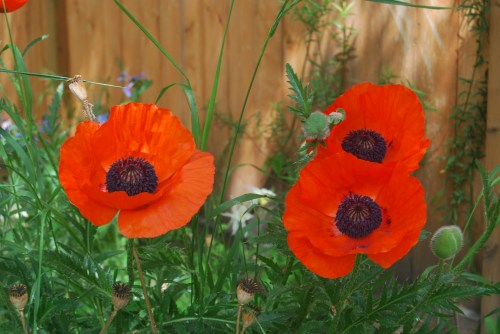
Upon arriving at the small bungalow where I live, something magical occurred. My eyes surveyed the backyard and the unexpected sight of poppies in full bloom completely overwhelmed me. It was as if I were seeing them for the first time. I remain inspired by their exquisiteness, vaguely encouraged by the realization that their brilliant orange petals and intricately designed purple centres will never appear ordinary to me again. I’m certain that from now on, I’ll be eagerly awaiting the phenomenal appearance of the poppies each June!

Learn how to embrace the new pretty.

There are literally thousands of magazine articles, journal studies and online resources devoted to the topic of sexuality and women’s cancers. How a woman copes and deals with the changes to her body are unique for each survivor, of course such factors as age and relationship status come into play. Studies have confirmed that the most prevalent issue for those diagnosed with uterine or ovarian cancer is a sense of profound loss. Psychologically I continue to mourn the demise of my reproductive organs and the loss of what I always perceived as an impeccably strong and healthy body.

Throughout my cancer ordeal I have felt moments of contempt, occasionally mixed with rage. I find it easy to despise a culture that is inclined to objectify women—placing intense pressure on us to possess a perfect body. I’ve become acutely sensitive to the media, the advertising industry and to what I believe are ridiculous and superficial standards of female beauty.

Belly Pic

There have been circumstances when I’ve waged war using humour or an “in your face” attitude. During my convalescence from one of my cancer surgeries I recall being engaged in a discussion with my mother while sorting through a stack of mail. I paused as I unearthed a catalogue for a major Canadian department store, cringing at the sight of the cover. Predictably it was flaunting an image of a model with an unblemished face and body. The New Pretty, the caption breathlessly announced. All of a sudden I grinned mischievously, as in one defiant move I turned and flashed my scarred and stapled abdomen. “I’ll show them the new pretty,” I boldly declared.