Living With the Risk of Recurrence

For me personally, the greatest stress of living with cancer has involved making difficult medical decisions regarding my course of treatment. There is also the constant pressure of waiting for outcomes that I cannot completely control. When I was diagnosed with endometrial and ovarian cancer in late 2011, I was referred to the Tom Baker Cancer Centre where my case was reviewed by the Gynecologic Oncology Tumour Board. This team of doctors and specialized pathologists reviews all new referrals to ensure correct diagnosis and to recommend the best treatment plan. Almost instantly I became the patient of one of Western Canada’s most renowned pelvic cancer surgeons, Dr. Prafull Ghatage. I’ll never forget our first encounter with Dr. Ghatage, as my mother and I sat in stunned silence, he calmly explained that I required surgery as soon as possible. This news was overwhelming, especially since I had just undergone a total abdominal hysterectomy performed by my gynecologist. “I just had a hysterectomy and now I’m dying of cancer,” I tearfully blurted out. “You’re not dying, I’ll inform you if you are dying,” a voice immediately responded. These rational words jolted me back to reality, and before we left I signed a consent form for a laparotomy—a specialized procedure in which abdominal organs are removed, biopsied or repaired and a definitive diagnosis can be made.

That first meeting with Dr. Ghatage now seems like a lifetime ago. In a few weeks I’m scheduled for another routine checkup at the cancer centre. It’s essential that I be monitored regularly for a possible recurrence or any signs of malignancy—ovarian cancer has a notoriously high recurrence rate. Many women with the disease face at least one recurrence within five years of their first diagnoses. Since my cancer is considered to be fairly advanced, the standard course of treatment that was recommended included a month and a half of radiation therapy. Originally over twenty rounds of external beam radiation were advised and were to follow my cycles of chemotherapy. My understanding is that following through with this proposal might have reduced my odds of recurrence to as low as five or 10 per cent.

Last fall I made the excruciatingly difficult decision to forego treatment with radiation, opting for observation instead. The risks of pelvic radiation include the possibility of rectal bleeding—in addition some patients will experience a bowel blockage or a permanent change in bowel habits after their treatments are finished. In some cases undergoing radiation can result in bowel or bladder damage serious enough to be permanent or to require surgical intervention to correct. For most cancer patients the benefits outweigh these serious risks, which are comparatively small. But due to my personal medical history it’s almost certain that radiation would have posed a substantial danger. The radiation oncologist informed me that due to my previous bowel blockage the possibility of acute complications occurring would be much higher than average. Besides, I was undeniably exhausted from three consecutive abdominal surgeries in addition to five cycles of Carboplatin, at the time I felt I could endure little more.

simulator

As I await my appointment on May 23, the encouraging news is that I’m currently in remission—at least I am to my knowledge—and my chances of a complete cure are better the longer I remain in this state. The Canadian Cancer Society defines remission as a decrease in or disappearance of signs and symptoms of cancer. In partial remission, some, but not all, signs and symptoms of cancer have disappeared. In complete remission, all signs and symptoms of cancer have disappeared, although cancer still may be in the body. According to Ovarian Cancer Canada, 80 per cent of women diagnosed with ovarian cancer will achieve remission. However, it is unknown if the cancer will come back or how long before it comes back. These unanswered questions linger in every woman‘s mind. In the meantime, I’ve made my health my primary focus—a nutritious diet, an appropriate exercise routine and getting enough sleep have never been more important. Obviously I’m careful to take my daily medication; I’ve been prescribed the drug Megace (generic name megestrol), it has been known to reduce recurrence rates in uterine, ovarian and breast cancer patients. Finally, hope and my steadfast determination to live each moment of my life fully and completely remain my allies in this dreadful waiting game.

50eb27d44683b9c588386c68616f

Living as a Caregiver

By Guest Blogger Cameron Von St. James

Family

My wife, Heather, and I are never going to forget November 21, 2005. On this day, my lovely wife was diagnosed with malignant pleural mesothelioma, a type of cancer. This was also the day that I became a caregiver for a person with cancer. I cannot say that either of us were prepared for this sudden life change. Only three months earlier our first and only child, Lily, was brought into the world. We thought that we would be preparing for our first Christmas together as a family, but this was not to be. Instead, we began a long, difficult battle to save Heather’s life.

As soon as we found out that Heather had cancer, I had to start my new role as a caregiver. We learned some information about mesothelioma and were given three choices for treatment. We could go to a local university hospital, a regional hospital or a doctor in Boston. This doctor in Boston, Dr. Sugarbaker, was a mesothelioma specialist, renowned for his work with this type of cancer. I knew that if Heather were to have any chance of beating this disease, she would need the best care possible. Immediately, we told the doctor to get us to Boston.

Over the next two months, our lives became completely different. Before her diagnosis, we had both been working full-time; now, I was working part-time, and Heather was unable to work at all. My to-do list was constantly growing as I was taking Heather to her appointments, making travel arrangements for Boston and taking care of our little Lily. On top of this, I was terrified that Heather would die from cancer, and Lily and I would be left without her. This fear got the best of me on multiple occasions, and I would break down and cry by myself. Fortunately, this feeling would quickly go away, and I was always careful to hide these moments from Heather. I reminded myself that I needed to stay strong for Heather and be her source of hope and support through this trying time.  The last thing she needed was to see my fears.

So many people helped us during our time of need. Family members, friends and people whom we had never met before reached out to us with much needed support. People offered kind words, and others even offered financial help. I learned a valuable lesson from all of this. If you are a caregiver for a person with cancer and someone offers you help, take it. Even the smallest amount of help can be a huge weight off your shoulders.  Additionally, you will be reminded that you are not alone, and that is so important to remember when you are going through this extremely difficult situation.

Of course, being a caregiver of a person who has cancer is not easy in any sense of the word. It’s a fact that simply cannot be denied. Not only is your life chaotic and completely different, but also you are full of stress and anxiety over what is going to happen. It’s a test that you cannot walk away from. It’s a test that you cannot quit. Remember, try to not let fear or anger overtake your life. Sometimes, you need to have bad days, but you should always keep your hope. You can use all that is around you to stay strong and to keep fighting.

Seven years ago, Heather was diagnosed with cancer. She went through surgery, radiation and chemotherapy to battle this disease, and she has won her fight. Mesothelioma is no longer a part of our lives; instead, we have worked to put our lives back together. I truly learned how precious life is and how we are living on borrowed minutes, so I went back to school full-time to study Information Technology.

My experience as a caregiver for Heather really prepared me to go back to school. In fact, I graduated college with high honors, and I was the graduation speaker when my years at school finished. My speech was about Heather’s diagnosis with cancer and all that we went through. Certainly, five years earlier, I never imagined that I would have been standing there as a college graduation speaker, with my wife and daughter in the audience to cheer me on. Through this experience, I have learned about the power that we have inside of ourselves. If we are willing to believe in ourselves and willing to fight through the odds, then we will find that we are capable of so much more than we ever could have possibly imagined.

Screen Shot 2012-07-26 at 8.01.02 AM

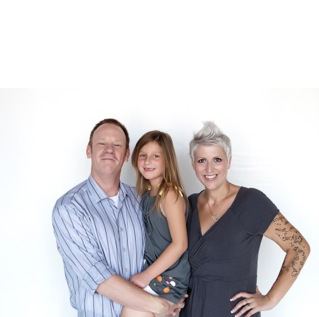
Cameron Von St. James poses with his wife Heather and daughter Lily. Heather is a rare survivor of the asbestos-related cancer mesothelioma.

About Cameron Von St. James

Cameron is husband to Heather Von St. James, an American survivor advocate for the Mesothelioma Cancer Alliance. Stricken with such an aggressive cancer, Heather was given 15 months to live upon diagnosis. Devastated and faced with the very real possibility of raising their infant daughter on his own, Cameron fought alongside Heather in her battle with mesothelioma. It was his determination and refusal to compromise on doctors or treatments that led them from their home in Roseville, Minnesota, to Boston, where Heather received radical surgery from esteemed surgeon, Dr. David Sugarbaker. She continues to thrive seven years later.

Furthering Asbestos Claim Transparency Act

Recently, asbestos companies in the United States have been using their political influence to introduce a new bill. It is called the Furthering Asbestos Claim Transparency Act (FACT Act). The Asbestos Cancer Victims’ Rights Campaign is concerned. They warn that if passed this bill will delay, and in some cases, deny justice and badly needed compensation to people suffering from asbestos-related diseases. American readers of this blog can find additional information on the bill here. If they wish they can also sign a petition. Go to www.CancerVictimsRights.org/take-action/sign-the-petition/ and follow the instructions to sign the petition at the bottom of the page.

Information Please

The moment I was diagnosed with cancer I entered a psychological realm where wanting to know everything about the disease alternated with fear and aversion. I realized it was solemn news when a week after my hysterectomy the phone range and my surgeon wanted to see me immediately. As I sat in my gynaecologist’s office on that autumn afternoon, he was thoughtful enough to provide me with my own copy of the surgical pathology report, a crucial document outlining the specifics of my uterine and ovarian cancer. He estimated that it would be a couple of weeks before I could have a consultation with a team of oncologists at the Tom Baker Cancer Centre. In the coming days I developed a love-hate relationship with the information that I had been given. Numb and in shock, I read over the three-page report repeatedly, meticulously researching the strange and frightening medical terminology.

I read the words endometroid adenocarcinoma for the first time, I didn’t comprehend until much later that I had learned my enemy’s name. Derived from the words “adeno” meaning pertaining to a gland and “carcinoma” meaning a cancerous tumour, the disease is a formidable adversary. One organ that is commonly affected includes the lining of the uterus, or endometrium. Adenocarcinoma is even more frequently diagnosed in the colon or the lungs. My surgical pathology report contained many confusing and ominous terms. I never thought of my reproductive organs as a possible death sentence, but that’s what the report seemed to be implicating. References to yellowish tan neoplasm and a uterine tumour measuring 11 centimetres at its greatest dimension both sickened and terrified me! At another point I started to pity my tiny right ovary. To make the personification complete, I’m sure she fought a valiant battle, but she was strangled by a separate tumour of about 7 centimetres.

21

I’ve come a long way since I first read that menacing pathology report nearly a year and a half ago. My ability to deal with medical information and to collaborate with my health care team has improved since then. Today, I offer the following advice to cancer patients and their caregivers. In a broader sense these recommendations could probably apply to anyone facing a serious health crisis.

Knowledge is Power

You are the most important member of your cancer care team and it’s essential to actively participate in your care. Pay close attention throughout the process of your care and participate fully in discussions with your oncologist and other medical specialists. Don’t hesitate to raise any concerns with your oncologist or with other appropriate health care professionals on your cancer team. If something doesn’t seem right or you sense that certain issues aren’t being addressed speak up!

Find the Right Balance

Never in my life have I felt so simultaneously overwhelmed by an abundance of medial information and frustrated by a lack of it. This ambiguity of emotions is understandable in cancer patients as they undergo treatment for some of the most complex and difficult to understand diseases within the realm of medical science. Personally, I’ve discovered that tension and anxiety occur unless a balance of information about my cancer is achieved (not too much and not too little). In my opinion, this ideal equilibrium will vary. It also depends largely on an individual’s psychological makeup and is more often than not impossible to maintain constantly.

Use Only Reliable Sources

Simply explained, every cell in the body has a tightly regulated system that dictates when it needs to grow, mature and eventually die off. Cancer occurs when cells lose this control and divide and proliferate indiscriminately. Theories, treatments and possible explanations for cancer are abundant. They range from the factual or medically proven to the bizarre, absurd and downright dangerous. Regrettably there are a few contemptible individuals who knowingly try to profit from cancer patients or exploit our unique physical, emotional and psychological needs. I appreciate that the most specific and reliable information comes from my oncologist and the related medical professionals on my cancer care team. When I access printed materials or the abundance of online resources that are available, I am highly selective. I’d like to conclude this post by listing a few prominent organizations that I recommend.

The Canadian Cancer Society   http://www.cancer.ca

The American Cancer Society   http://www.cancer.org

CancerNet  http://www.cancer.net/cancer-types/uterine-cancer

 Ovarian Cancer Canada   http://www.ovariancanada.org

occ

God Bless the Child

When I go to appointments at the cancer centre I notice that I’m surrounded by women in my own fortysomething age range. However, many of them are not patients themselves, they are there as caregivers and are accompanying a cancer stricken elderly parent. Sometimes as I walk in with my support person, my healthy and totally independent 72-year-old mother, I feel bitter and confused at our obvious role reversal. All at once I’m aware of how much the relationships in my life have changed since my diagnosis. Cancer has made me more dependent on family members, a multitude of health care workers and a number of government agencies. Throughout my ordeal there have been lonely days when I’ve yearned for a larger family or an abundance of close friends. Above all having a chronic illness has shown me what it’s truly like to be forced to rely on other individuals and revealed to me who is willing to stand by me in my time of greatest need.

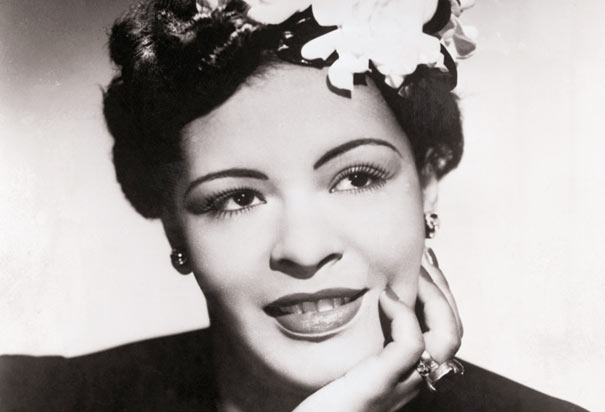
Sometimes music helps me to deal with certain emotions that I’m feeling. Well before I was diagnosed with cancer or felt its harsh social and financial impact, God Bless the Child by the legendary Billie Holiday was one of my favorite songs. But lately both the powerful lyrics and her exquisite delivery keep going through my mind. God Bless the Child extols self-reliance while it condemns those who ignore us, repudiate us or treat us as inferior when we are unable to be self-sufficient. In her autobiography Lady Sings the Blues Holiday indicated an argument with her mother over money led to the song. Apparently during the argument she said the line “God bless the child that’s got his own.” Anger over the incident led her to turn that line into a starting point for a song, which she worked out in conjunction with Arthur Herzog. In his 1990 book Jazz Singing, Will Friedwald describes the work as “sacred and profane” as it references the Bible while indicating that religion seems to have little or no effect in making people treat each other better. Sadly, Billie Holiday was only 44 when she died—she had fought a long, terrible battle with alcohol and drug addiction.

God Bless the Child

Billie Holiday and Arthur Herzog Jr.

Them that’s got shall get
Them that’s not shall lose
So the Bible said and it still is news
Mama may have, Papa may have
But God bless the child that’s got his own
That’s got his own

Yes, the strong gets more
While the weak ones fade
Empty pockets don’t ever make the grade
Mama may have, Papa may have
But God bless the child that’s got his own
That’s got his own

Money, you’ve got lots of friends
Crowding round the door
When you’re gone, spending ends
They don’t come no more
Rich relations give
Crust of bread and such
You can help yourself
But don’t take too much
Mama may have, Papa may have
But God bless the child that’s got his own
That’s got his own

Mama may have, Papa may have
But God bless the child that’s got his own
That’s got his own
He just worry ’bout nothin’
Cause he’s got his own

Image

Billie Holiday

Touched by Cancer

While receiving my cancer treatments at the Tom Baker Cancer Centre in Calgary I have become aware of some sobering facts about the disease. Technically I should say the  diseases, because there are over 200 different types of cancer. The reality is that in Alberta and the rest of Canada, 40 per cent of all women develop cancer and 45 per cent of all men develop cancer sometime during their lives, so nearly every family is affected. According to statistics by the Canadian Cancer Society, there are about 750,000 Canadians living with a cancer that has been diagnosed in the previous 10 years. Those afflicted with the disease come from all cultures and represent all religious and ethnic backgrounds. Ultimately all social classes are implicated—cancer does not spare the wealthy or the powerful. Unlike the general population, however, the extremely privileged are unique in terms of the enormous contributions that they are able to make in the fight against cancer. They are often able to assume a leadership role through philanthropy and public awareness.

Here are two prime examples of families touched by cancer involved in philanthropy:

Toronto’s Princess Margaret Hospital received a $50 million donation in January of this year in what’s being celebrated as the largest-ever private gift to cancer research in Canadian history. The multi-million-dollar donation will be paid over a decade by a philanthropist couple, Emmanuelle Gattuso and Alan Slaight. It adds to the hospital’s goal to raise $1 billion over five years to fund personalized cancer care research. It’s a budding initiative in which patients’ genetics are studied to help diagnose cancer and provide individual treatment. Gattuso herself is a 10-year breast cancer survivor – her sister also fought the disease and her mother succumbed to it. “I have been touched by cancer, as have so many friends and family members,” she told reporters at a press event announcing the unprecedented gift. “(The donation) will help us understand cancer at the most advanced level, but most of all, let’s face it, it’s for the patients, who will benefit from these advances and from this research,” she said.

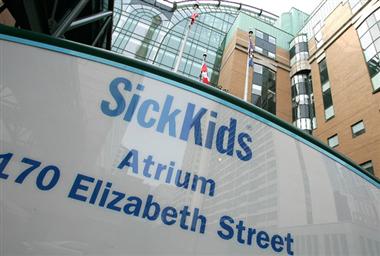
In October 2010, the parents of a boy who lost his battle with cancer donated $30 million to the Hospital for Sick Children in Toronto with the goal of helping more children survive the disease. The donation, believed to be the single largest private gift to pediatric cancer in North America, is being used to establish the Garron Family Cancer Centre and to fund research into childhood cancer. “We are privileged to support one of the most respected children’s hospitals in the world,” Myron and Berna Garron said when they made the donation. “Our son was treated for cancer at Sick Kids for many years and we will never forget the dedication and level of care he received. We are confident this gift will help create more positive outcomes for cancer patients and their families.” In 1975, the Garrons’ son Michael died at age 13 from synovial sarcoma, a rare soft-tissue cancer that occurs most commonly in the young.

Image

Survivorship 101

My health had always been tremendously good, and then one afternoon in November 2011 I received an unexpected diagnosis of both uterine and ovarian cancer. In hindsight words such as devastating, terrifying, and life-altering seem inadequate to describe the magnitude of that experience—my daily existence was shattered. Sometimes it’s still as if I’m trapped in an appalling dream, a nightmarish reality that to date has encompassed three major abdominal surgeries and five cycles of chemotherapy. As with countless other cancer survivors I have asked “Why me?” while I’ve struggled to find anything positive about living with such an affliction. I have accepted the likelihood that my life may never be exactly the same; I must adjust to a “new normal” as day by day I contend with the consequences of an insidious, spiteful, and often fatal disease.

In this blog I will be writing about various aspects of my cancer journey. I have chosen to call it The Teal Diaries, since teal is the colour used to represent awareness of gynecological cancers. While pink ribbons are strongly associated with breast cancer, significantly fewer people realize that ovarian cancer survivors, and those who wish to support them, wear teal ribbons. If there is less public awareness regarding ovarian and endometrial  cancer, I suspect that it’s because they are both less prevalent and have a significantly higher mortality rate than breast cancer.

I’ve waged my relentless battle for over a year now, I currently seem to have the upper hand and my doctors indicate that they are cautiously optimistic regarding my prognosis. Since the beginning of my cancer experience there have been moments of epiphany and numerous opportunities for personal reflection. Being that this is my initial blog post, I want to share a few of the survivorship lessons that I’ve experienced over the past fourteen months. According to professionals in the cancer field, survivorship is living with and beyond cancer. Survivorship covers the physical, psychosocial, and economic issues of cancer, from diagnosis until the end of life. This is what I’ve learned so far.

You never know how strong you are until being strong is the only option you have left.

I certainly don’t aspire to become a legend like  Terry Fox or to be anything resembling a saint or a cancer hero. But still, I’ve discovered inner qualities and personal strengths I never appreciated or properly acknowledged in myself. Subjected to the ultimate test, I’ve sometimes shocked myself with my capacity to overcome adversity and to confront physical pain and suffering. As one of the approximately 17,000 Canadian women living with ovarian cancer, I obviously know firsthand how it impacts a life. For survivors there is tremendous emotional pressure, along with social and financial turmoil.

There are moments when you have the impression that your world is spinning violently out of control. The fundamental paradox is that I’m often able to feel a sense of power, combined with courage and self-assurance. It’s as if I’m standing in life’s Category 5 hurricane and remaining resolute, steadfast and unbroken. “Okay cancer, you ruthless bastard, attack me with all the intensity you’ve got! I will still transcend you and the pure malevolence that you represent,” I sometimes tell myself. Some pundits would consider this type of resolve impressive, especially as demonstrated by a socially introverted, physically petite woman, such as myself.

Appreciate the flowers in your own backyard.

DSC_0023

I reached an unparalleled low physically and emotionally last year, during the spring of 2012. By May there were potentially life-threatening complications due to my rigorous cancer treatments. Vomiting and in pain, I was transported to the emergency room through early rush hour traffic. It was a bright May morning when I entered the doors of Calgary’s largest medical centre and was admitted suffering from a bowel blockage. I acknowledge that at first I literally wanted to die rather than face what was happening. Nothing had prepared me for the invasive medical procedures that I would endure in the coming weeks or for the length of my hospitalization.

Forty-eight agonizing days elapsed, during which time I received virtually all of my nutrition through a peripherally inserted central catheter (PICC or PIC line). On June 18, 2012, intestinal surgery was skillfully performed. When I awoke in the recovery room I sensed that my crisis was at last resolved. Although only half-conscious, I was filled with elation as they informed me that the procedure to correct my obstruction had been successful. The primary cause was established to be scar tissue from my previous operations and now my digestive system was expected to function normally again. Most of all, I was comforted and reassured by the fact that my cancer had not visibly metastasized to other regions of my body.

My discharge from the hospital ultimately took place on a balmy summer afternoon; the clothes I had worn nearly two months earlier felt hot and loose fitting. I was so weak from my ordeal that I struggled to walk just 10 or 20 metres, but I was in awe as I observed how the seasons had changed and nearly everything had been transformed. I can still remember the blissful journey home and my sense of anticipation during that short, but very emancipating, commute. Even the air filling my lungs was like a breath of freedom.

Upon arriving at the small bungalow where I live, something magical occurred. My eyes surveyed the backyard and the unexpected sight of poppies in full bloom completely overwhelmed me. It was as if I were seeing them for the first time. I remain inspired by their exquisiteness, vaguely encouraged by the realization that their brilliant orange petals and intricately designed purple centres will never appear ordinary to me again. I’m certain that from now on, I’ll be eagerly awaiting the phenomenal appearance of the poppies each June!

Learn how to embrace the new pretty.

There are literally thousands of magazine articles, journal studies and online resources devoted to the topic of sexuality and women’s cancers. How a woman copes and deals with the changes to her body are unique for each survivor, of course such factors as age and relationship status come into play. Studies have confirmed that the most prevalent issue for those diagnosed with uterine or ovarian cancer is a sense of profound loss. Psychologically I continue to mourn the demise of my reproductive organs and the loss of what I always perceived as an impeccably strong and healthy body.

Throughout my cancer ordeal I have felt moments of contempt, occasionally mixed with rage. I find it easy to despise a culture that is inclined to objectify women—placing intense pressure on us to possess a perfect body. I’ve become acutely sensitive to the media, the advertising industry and to what I believe are ridiculous and superficial standards of female beauty.

Belly Pic

There have been circumstances when I’ve waged war using humour or an “in your face” attitude. During my convalescence from one of my cancer surgeries I recall being engaged in a discussion with my mother while sorting through a stack of mail. I paused as I unearthed a catalogue for a major Canadian department store, cringing at the sight of the cover. Predictably it was flaunting an image of a model with an unblemished face and body. The New Pretty, the caption breathlessly announced. All of a sudden I grinned mischievously, as in one defiant move I turned and flashed my scarred and stapled abdomen. “I’ll show them the new pretty,” I boldly declared.