Walking Away From Cancer

And after all the violence and double talk
There’s just a song in the trouble and the strife
You do the walk, you do the walk of life

Lyrics to a popular song

Having cancer can feel like being in prison, especially when you’re undergoing surgery, chemotherapy, or any other number of aggressive treatments. You watch your family, close friends, and everyone around you continue to live normal lives, as your own existence becomes increasingly constrained. This was my personal experience when my ovarian cancer caused me to spend seven weeks in the hospital and when I underwent five rounds of chemotherapy. I was left exhausted, miserable and temporarily unable to engage in an active or fulfilling life.

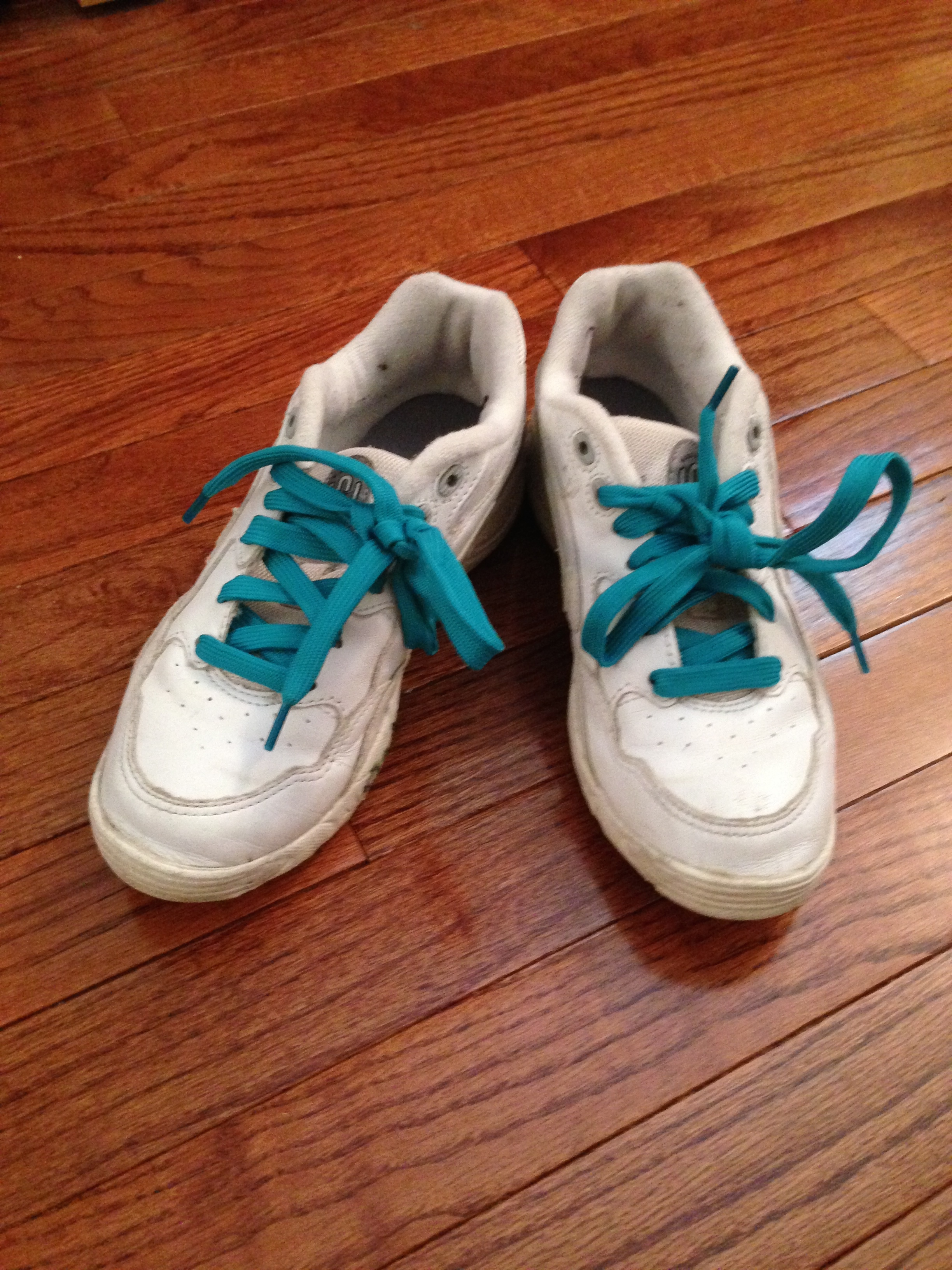
Now that I’ve achieved remission I’ve gratefully resumed doing many of the things that I took for granted before my diagnosis, most of all I appreciate the freedom of being outside and going for long walks. It’s been a relatively mild winter in southern Alberta and this weather has been perfect for maintaining my daily walking routine. I usually prefer to walk alone and in the morning, this practice seems to help me achieve the maximum emotional and psychological benefits. Of course there are particular occasions when walking with others is the best choice, I’ve proudly marched with close to 400 people in the 5 kilometre Ovarian Cancer Canada Walk of Hope. Each year this Canada-wide event raises about 2 million dollars for research, awareness and support.

OLYMPUS DIGITAL CAMERA

Study after study has extolled walking as a simple, inexpensive exercise with incredible health benefits. From a cancer patient’s perspective, walking regularly has been proven to strengthen the body and ease the mind. Several recent studies suggest that higher levels of physical activity are associated with a reduced risk of the cancer coming back, and longer survival after a cancer diagnosis. Here are some other recent findings regarding the advantages of exercise, specifically walking:

  • A daily one hour walk can cut your risk of obesity in half.
  • Thirty to 60 minutes of exercise most days of the week drastically lowers your risk of heart disease.
  • Logging 3500 steps a day lowers your risk of developing type 2 diabetes by 29 per cent.
  • Walking for just two hours a week can lower your risk of having a stroke by 30 per cent.
  • Walking for 30 minutes a day can reduce symptoms of depression by
    36 per cent.
IMG_0152

A number of experts advocate walking as a form of meditation to help relieve stress or anxiety. For instance, Jon Kabat-Zinn’s classic Full Catastrophe Living includes an entire chapter on walking meditation. Many people with chronic illnesses, including cancer, find that they enjoy walking more when they intentionally practice being aware of their breathing and of their feet and legs with every step. There are numerous ways in which walking can help you gain greater self-awareness, as I stride down a sidewalk or path I will often utilize my senses to make me more conscious of the moment. One day I might concentrate on my sense of touch and notice the wind in my hair or the warmth of the sun on my face. The next time I’m out for a walk I’ll focus on my sense of smell and how the delicious aroma of our neighbourhood bakery is apparent when you come within about half a block of the bread and pastries.

Finally, there is growing evidence that walking stimulates our creativity and though processes. We can thank Steve Jobs for the business community’s blossoming love affair with the mobile meeting. “Taking a long walk was his preferred way to have a serious conversation,” observed Walter Isaacson in his bestselling biography of Apple’s co-founder. Some studies have actually indicated a link between walking and memory. One study found that walking 40 minutes three times a week might protect the brain region associated with planning and memory. This is significant for cancer patients, since a fair number of us report issues with recall and comprehension that are related to chemotherapy or other treatments.

Getting Organized: Learning to Manage Your Cancer Journey


IMG_0117When my gynecologist informed me that I had cancer almost three and half years ago the last thing on my mind was trying to manage the absolute chaos that my life had suddenly become. First, I was numb and in shock to learn that I had gynecological cancer at a fairly advanced stage. Once the dust had settled I found myself experiencing intense anger and fear, I was actually astonished to learn that emotions so strong existed. My life seemed to be spinning violently out of control and there appeared to be little I could do to stop this process or to regain a sense of stability. It was tempting to sit back and let things happen to me, and to believe that events were completely beyond my influence.

Despite my anxiety, I immediately realized that successful cancer treatment would require me to be an active participant, I would need to schedule and attend literally dozens of medical appointments. At the same time I would have to deal with the bureaucracy of the health-care system on an almost daily basis. Of course, I knew I could depend on family members to assist me when I was hospitalized or completely exhausted. But by and large I established that it was my cancer, my body and my complex journey to navigate.

Following my diagnosis I was often overwhelmed with the countless tasks that I was required to perform and with the hurried pace at which things were happening, but I’ve gradually devised my own system that enables me to be more organized. Over time I’ve learned to confront the practical life changes associated with cancer treatment, I’m now able to approach them with more efficiency and less hassle.

Keeping a Record of Your Treatment on Paper


IMG_0225

I strongly recommend keeping a personal record of your cancer treatment, including surgeries that are performed and any chemotherapy or radiotherapy that is administered. I have chosen to use a binder and I suggest the following other essential stationery supplies:

1. Page protectors (single page and multipage)
2. A hole punch
3. A stapler

I’ve used a combination of chronological order and straightforward categories to organize my documents. In case you’re wondering what needs to be in your cancer treatment diary, here is some of the key information that I’ve chosen to include in mine:

  • Basic documentation concerning my hospitalizations and surgeries
  • Complete pathology reports
  • A timetable of appointments, the specific drugs that I was given and other essential details regarding my chemotherapy
  • Physician progress notes summarizing my appointments at the Tom Baker Cancer Centre outpatient clinic

Using a Computer to Bring Your Journey Together


IMG_0221

Now that personal computers are firmly ingrained in our culture and nearly everyone is computer literate you’ll want to take advantage of this technology to make your cancer journey easier and more organized. As with traditional filing, you’ll require an organized system for letters, personal notes, essays and other word processing files. It’s best to create a classification system that makes sense to you and that allows you to locate files and documents quickly on your computer. Of course the Internet is invaluable for cancer patients wishing to learn more about their disease, but it’s essential to ascertain the difference between reliable or accredited sites and those that contain inaccurate, and sometimes even dangerous, information.

Some cancer patients have the advantage of accessing their official medical records online. Those of us being treated for cancer in Alberta unfortunately do not have access to these types of databases; my hope is that we might in the near future. I was excited to learn that there are plans to start an online portal this year that will give Albertan’s access to their prescriptions. Meanwhile, the intention is to add other medical information to the online system over time. In the interim I have to be content with requesting information from my medical records directly from the Tom Baker Centre and making sure each request is in writing. This can be a time consuming and tedious process, but it’s my judgment that the aggravation is worth it.

Ultimately the completeness or comprehensiveness of your medical information and the ease with which you can obtain medical records will vary depending on where in Canada you are receiving treatment. There is little doubt that receiving your cancer treatment in the United States or in a private health-care system may offer some advantages in terms of obtaining complete documentation. There is considerable bureaucracy and more overall effort involved by patients in the public system that I am a part of in Calgary, Alberta. We have to advocate a great deal for ourselves in terms of getting the information we need, and such pursuits can be difficult for a cancer patient when they are receiving chemotherapy or other active treatment. Personally I admit my medical appointments and diagnostic tests have slowed down substantially now that I’m in remission.

An Essential Reading List for Cancer Patients: My Personal Picks So Far

I’ve been fighting ovarian cancer for more than three years now and my oncologist is still cautiously optimistic regarding my prognosis. I remain in remission from what is statistically the deadliest of women’s cancers. As I’ve indicated previously in this blog many of my priorities have changed since my diagnosis—this transformation is evident in my leisure activities, my hobbies, and even the reading material that I choose. In this post I’ve chosen to review several of the books that have influenced me during my cancer journey and that I would recommend to other cancer patients or their caregivers.

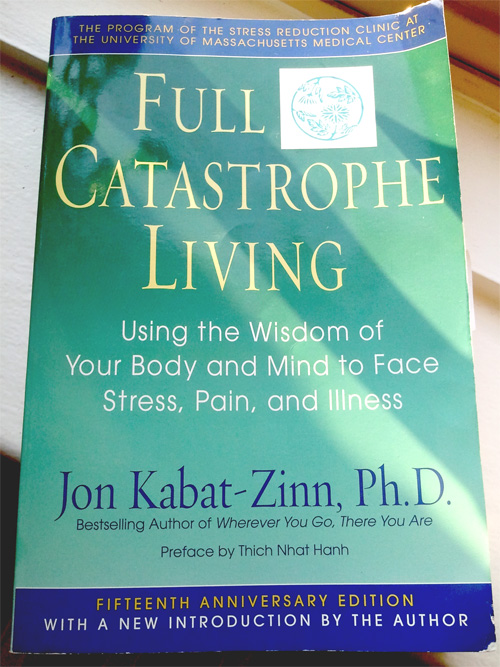
Full Catastrophe Living by Jon Kabat-Zinn

Full Cat CoverOriginally published in 1990, this book has been through numerous editions, the author explores the role of mindfulness and how its practice can improve the quality of life for people with chronic illnesses. Jon Kabat-Zinn describes in detail the techniques he has used successfully with patients in the Stress Reduction Clinic at the University of Massachusetts Medical Centre. Learning to listen to your own body is vital, and I came away from this book with an improved awareness of how my body responds to the emotional and psychological stress of having cancer. I’ve also acquired new methods to effectively reduce or manage the negative impact of such everyday stress.

Full Catastrophe Living is over 400 pages and covers a lot of territory, including the basics of both meditation and yoga. I can accept that some readers might be turned off by the length of this volume or by its allusions to certain tenants of Buddhism. Mindfulness mediation is frequently taught and practiced within the context of Buddhism, however it has been argued that its essence is universal. For this reason, it can be learned and practiced by cancer patients without appealing to Asian culture or Buddhist authority to enrich it or authenticate it. Advocates contend that mindfulness stands on its own as a powerful vehicle for self-understanding and healing.

The Living With Cancer Cookbook by Kris Ghosh & Linda Carson

IMG_0190

I had just started my rounds of chemotherapy when I discovered The Living With Cancer Cookbook by Kris Ghosh and Linda Carson. I’ll never regret my decision to purchase this fantastic volume of recipes specifically aimed at individuals going trough cancer treatment. There’s an abundance of comfort food here and a sense that the authors truly have compassion for those of us who struggle to eat, for example breakfast recipes include cheesy ham and asparagus bake and home-style oatmeal with raisons. I adore pasta, and many of the pasta-based dishes presented in this book are excellent. I can remember that I was able to enjoy the fettuccini with asparagus and mushrooms even while undergoing chemotherapy.

Most of all I love the way this cookbook is organized to deal with the specific symptoms of cancer treatment. The four most common side effects are nausea, mouth sores, diarrhea and constipation. As the authors point out, eating the right foods can help alleviate each of these issues and make them more bearable. This is an almost flawless volume, but I did notice a number of limitations surrounding the supplementary articles that are included with the actual recipes. Specifically, the publishers of The Living With Cancer Cookbook have established a partnership with certain prominent American breast cancer organizations. I could find this alliance slightly annoying at times since much of the bonus information in the book isn’t directly relevant to me as a Canadian or as an ovarian cancer survivor.

The Secret Language of Doctors by Dr. Brian Goldman

Dr. Brian Goldman

Dr. Brian Goldman

I was impressed by both the medical expertise and the Canadian content contained in this bestseller by Dr. Brian Goldman. Goldman is a highly regarded emergency room physician at Toronto’s Mount Sinai Hospital. He is also a well-known medical journalist and the host of the CBC radio program White Coat, Black Art. As an author, Goldman is not one to shy away from controversial or difficult to discuss topics within the field of medicine. “I try to get inside my colleagues’ heads and hearts, and explain to the world why they act the way they do and what it means,” he told the Toronto Star.

I learned a great deal about the medical community through reading The Secret Language of Doctors, and I can certainly understand why this insightful and revealing book quickly became a Globe and Mail bestseller. Like most cancer patients, I found it traumatic and confusing to be suddenly thrust into a mysterious world of hospitals, oncologists and the health care system in general. Goldman’s book has helped to demystify the environment I now find myself in. I believe I’m able to be more empathetic toward doctors and nurses, even though some of the slang that is cited in The Secret Language of Doctor’s is shocking or offensive on some level.

I can accept that in the field of medicine slang and other jargon is frequently used as a buffer, a way to protect doctors and patients alike from harsh realities. In the end, Goldman feels the most important issues are dignity and respect. “You should not do or say anything that would disparage your colleagues or patients,” he says. “But telling people not to use slang just makes it go underground. Listen to the slang and hear what it’s trying to say. The people who use that slang are often frustrated by the system when they just want to give good care.”

In a League of Your Own: Why Every Cancer Patient is Different

I recently received some grim news regarding a close acquaintance with advanced breast cancer. After achieving about one year of remission, her doctors have informed her that her cancer has metastasized to her lungs. Apparently her current prognosis is extremely poor and oncologists have indicated that her disease is expected to progress to the terminal stage. I have to acknowledge that I have a certain degree of difficulty coping with circumstances such as this. Psychologically I accumulate unnecessary anxiety as I compare myself to other cancer patients. When I hear of bad outcomes, I keep asking myself if I’ll be next.

One of the psychological aspects of having ovarian cancer is fear of recurrence. Although I’ve been in remission for about two years now, I remain alarmed that when my cancer was diagnosed it was fairly advanced. The statistics reveal that recurrence rates are notoriously high for my type and stage of cancer. Throughout my personal cancer journey I’ve noticed that this fear of recurrence is heightened by another phenomenon, the tendency to compare my cancer to other people’s experience with the disease. For example, I’ll sometimes remind myself that if my disease follows the path that it does with most women I’ll encounter at least one recurrence within five years of my initial diagnosis.

Cancer Cells

There are few analogies that can accurately convey such feelings of dread to those who haven’t experienced them. Some cancer survivors have compared living with the disease to crossing a battlefield and watching your comrades die gruesomely while you dodge the bullets. Personally there have been moments when I’ve felt a sense of doom, it’s as if I’m a death row inmate, but with no certainty of when my execution will actually occur.

I have some extremely important advice to give to myself and to anyone else being treated for cancer.

1. Resist the temptation to compare the disease in your body to what is happening to other people fighting cancer, even if your condition seems highly similar.

2. Don’t dwell on statistics or the possibility of recurrence.

For instance, most women with ovarian cancer do have at least one relapse within five years of being diagnosed, but that standard rate of recurrence won’t necessary happen to me. The reality is that medical science has proven that all cancer patients are unique. What’s more, because cancer statistics are based on large groups of people, they cannot be used to predict exactly what will happen to you. Everyone is different. Treatments and how people respond to treatment can differ greatly. A well-known American cancer survivor, Joanna Montgomery, chronicles her experiences of treatment, motherhood and marriage in a personal blog called It’s Cancer, Baby. As Montgomery heavily underscored in one of her online articles, we are all individuals.

“The truth is that every single person’s cancer is different —even those diagnosed as the same type and stage —because that cancer exists in a unique human body unlike no other, with a unique life history and genealogy. I’ve met people with cancer of a lesser stage than mine who didn’t make it, while I’ve just as frequently met survivors who dealt with higher stages of cancer decades in the past and are still going strong. There’s no algorithm that will determine which of us will make it and which of us won’t. There are endless factors at play, and cancer is unpredictable and constantly morphing.”

The stress and anxiety generated from trying to predict what will happen to you or from scrutinizing other cancer patients might actually be detrimental to your health and the healing process. Medical science acknowledges a connection between our thoughts and emotions and certain physical aspects of healing, such as our immune system. The power of the mind-body connection has been widely accepted by mainstream medicine since the 1960s or 1970s. During those decades, a great deal of research in the field of biofeedback and self-regulation showed that human beings could learn to control many physiological functions. Even those ones that had previously been thought involuntary, such as heart rate and blood pressure, were found to be at least partially under our control. A number of pioneering studies drew on relaxation, meditation and yoga.

21

The power we possess over own bodies and our personal health and the case for each of us being a unique biological organism was also established in a groundbreaking book entitled Mind as Healer, Mind as Slayer. In 1977, this book by Dr. Kenneth Pelletier helped to inspire widespread interest in mind-body interactions. Pelletier presents a variety of compelling evidence that the mind is a major participant in illness and that the mind can be a major factor in health as well. The majority of his case studies focused on serious chronic diseases, including heart disease and cancer.

So my recommendation if you are fighting cancer is to maintain faith in your body’s ability to heal itself. Even more importantly remember that your cancer journey is unlike anyone else’s and that your outcome may be radically different from those in similar medical circumstances. You are special, your body and spirit are both unique, so don’t assume you can predict the course your cancer will take simply by observing the disease in others.

A Matter of Trust

trust-broken

Even before my cancer diagnosis three years ago I understood that trust is one of the central features of the patient-physician relationship. Ideally when I come under a physician’s care I should trust in my doctor’s competency and in their commitment to me as a patient. When I undergo medical treatment I must also trust my physician or surgeon to put my welfare above his or her own self-interest. Ethically my physician should always place my needs above obligations to other groups and advocate for my welfare.

This bond of trust has played a dominant role throughout my cancer journey, especially when I’ve undergone major surgery or consented to treatments such as chemotherapy. I met my oncologist in November 2011 and I continue to trust in his medical expertise and sound judgment when it comes to treating my disease. I know he and other members of the team at the Tom Baker Cancer Centre have placed my best interests before anything else. Still I regret to say that there was a critical point during my cancer treatment when I began to have irrational doubts about my surgeon and his medical colleagues.

Doctor's Touch

Looking back, several factors were instrumental in causing me to temporality lose confidence in my surgeon. In the spring of 2012 complications arose due to my cancer treatments. Two previous surgeries had resulted in scarring and adhesion of my bowel and at the time the blockage was probably being exacerbated by the chemotherapy I was undergoing. I was terrified of what might happen and despondent about my situation when I ended up a patient on the genealogic oncology unit for the third time. I was admitted through the emergency department and I could sense that my situation was extremely serious or potentially life-threatening. Worst of all I was in a tremendously weakened physical condition and my psychological state could best be described as anxious and confused.

My trust in my surgeon began to deteriorate due to communication issues. While he is a highly skilled oncological surgeon, like many doctors he is not always strong when it comes to exercising interpersonal communication skills. He rarely spoke to me or came by my room—we never really had a conversation to reassure me or to discuss my condition in detail. Instead it was typically surgical residents completing their 7 a.m. rounds that I saw for a few minutes each morning. In about the second or third week of being confined to a hospital bed with orders not to consume food my fear and imagination began to run out of control. Was my surgeon really qualified and capable? Had he played any role in creating the serious complications I was now facing?

Meanwhile, some family members and other non-medically trained individuals only increased these suspicions and fears. They suggested that perhaps I should not trust my surgeon and that I should try to get another specialist to operate on my bowel blockage. As the scheduled date for my surgery approached I became virtually obsessed with how vulnerable I was and how I would be literally placing my life in my surgeon’s hands.

Surgical-Instruments

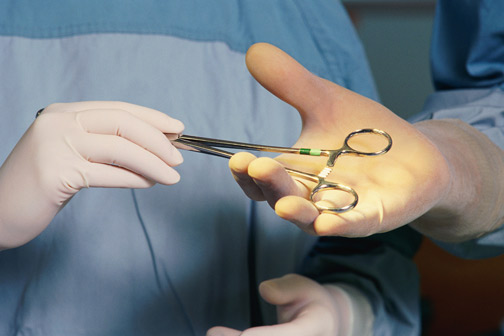
I had previously trusted my surgeon and thought of him as a conscientious and vigilant medical practitioner, now I had almost convinced myself that he might be the opposite. Was he a cowboy? As explained in Dr. Brian Goldman’s book The Secret Language of Doctors cowboy is a slang term to describe a surgeon who is excessively reckless or careless with patients. In the bestseller a cowboy is described as someone who rides by the seat of his pants. It’s someone who kind of does things quickly. They’re trying hurriedly to do everything in a somewhat haphazard fashion, hoping like hell it all comes together at the end. Cowboy is also used to refer to a surgeon who perhaps doesn’t have the best judgment—someone who operates first and asks questions later.

Of course there were moments when I had nagging doubts that I could endure another surgery, I had just been through two major operations. This had made me all too familiar with the overwhelming physical and emotional impact that abdominal cancer surgery has on a woman. In essence I agree with Dr. Goldman’s opinion regarding the consequences of surgery.

The thing I find many surgeons fail to appreciate is that an operation is a form of controlled violence on the patient. If surgeons thought about what they do to patients on a daily basis, I suspect many wouldn’t do it. Even the most successful surgery causes severe (albeit manageable) pain. For patients relieved of their condition, post-operative pain is bearable—but not so much when the surgery results in complications or worse.

Dr. Brian Goldman, The Secret Language of Doctors

Finally on June 18, 2012, I signed the appropriate documents and critical surgery was skillfully performed. When I awoke in the recovery room I sensed that my crisis was at last resolved. Although only half-conscious, I was filled with elation as they informed me that the procedure to correct my obstruction had been successful. The primary cause was established to be scar tissue from my previous operations and now my digestive system was expected to function normally again. Most of all, I was comforted and reassured by the fact that my ovarian cancer had not visibly metastasized to other organs in my body. After a long, tumultuous journey my fundamental trust in my surgeon had ultimately been restored.

The Waiting Game


“Of all the hardships a person had to face none was more punishing than the simple act of waiting.”

Khaled Hosseini, A Thousand Splendid Suns


In this powerful quote Khaled Hosseini, the author of The Kite Runner and several other internationally acclaimed novels, speaks of the pain of waiting. Throughout my cancer journey waiting, along with uncertainty and fear, have been my constant unwelcome companions. Of course there have been the endless hours spent in doctor’s waiting rooms and waiting in diagnostic imaging departments for CT scans, MRIs and a multitude of tests. I can’t believe how accustomed I’ve become to these environments and to the monotonous routine that they now so strongly represent.

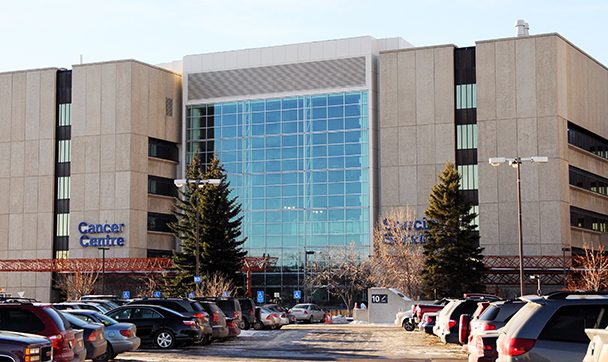
I close my eyes and I can visualize the waiting room chairs, the reception desk, sometimes a television for distraction, and always the tired and worried looks on the other patients’ faces. Some attempt to engage in small talk with other patients or with the caregivers who have accompanied them, others sit silently or try to read or distract themselves with electronic devices. My waiting time at the outpatient clinic at the Tom Baker Cancer Centre is typically half an hour to an hour. It’s common knowledge that Calgary is in dire need of a new cancer centre, as the Baker Centre is more than thirty years old and way over capacity with the volume of patients it now must serve.

waiting room

My memories of waiting for chemotherapy sessions in the late winter and early spring of 2012 are still extremely vivid in my mind. I can laugh now, but at my first appointment I was worried that some of the veteran chemotherapy patients might be able to tell that I was a newbie. They would ascertain that I looked too healthy and had all of my hair! When I arrived, I noticed that the people around me seemed to have many types and stages of cancer; what is more, a good number of them exhibited full heads of hair. After a short wait of approximately 15 minutes, a nurse led my mother and I into the Baker Centre’s large daycare treatment area. My heart beat faster as we reached my assigned space and I settled into a recliner by the window. The nurse explained what she was doing as she inserted my IV line and then attached some anti-nausea medication in preparation for the potent cancer-fighting drug, carboplatin.

As unpleasant as waiting for physical examinations and chemotherapy appointments can be, for many cancer patients it’s anticipating a future over which they have little control that seems so much more ominous and stressful. I live with the constant pressure of waiting for outcomes that I cannot completely control. When I was originally diagnosed with endometrial and ovarian cancer three years ago, I was referred to the Tom Baker Cancer Centre where my case was reviewed by the Gynecologic Oncology Tumour Board. This team of doctors and specialized pathologists reviews all new referrals to ensure correct diagnosis and to recommend the best treatment plan. Almost instantly I became the patient of one of Western Canada’s most renowned pelvic cancer surgeons, Dr. Prafull Ghatage.

hourglassMy first consultation with Dr. Ghatage now seems like a lifetime ago. In a few months I’m scheduled for another routine checkup at the Tom Baker Cancer Centre. It’s essential that I be monitored regularly for a possible recurrence or any signs of malignancy; ovarian cancer has a notoriously high recurrence rate. Many women with the disease face at least one recurrence within five years of their first diagnoses. Without resorting to an abundance of medical jargon, I’ve been diagnosed with stage IIIC2 adenocarcinoma of the uterus and stage IC adenocarcinoma of the ovary. As I await my next appointment on February 10, 2015, the encouraging news is that I’m currently in remission—at least I am to my knowledge—and my chances of a complete cure are better the longer I remain in this state. The Canadian Cancer Society defines remission as a decrease in or disappearance of signs and symptoms of cancer. In partial remission, some, but not all, signs and symptoms of cancer have disappeared. In complete remission, all signs and symptoms of cancer have disappeared, although cancer still may be in the body. According to Ovarian Cancer Canada, 80 per cent of women diagnosed with ovarian cancer will achieve remission.

However, it is unknown if the cancer will come back or how long before it comes back. These unanswered questions linger in every woman’s mind that has ever been diagnosed with cancer and all we can do is wait for the resolution. In the meantime, I’ve made my health my primary focus—a nutritious diet, an appropriate exercise routine and getting enough sleep have never been more important. Obviously I’m careful to take my daily medication; I’ve been prescribed the drug Megace (generic name megestrol), it has been known to reduce recurrence rates in uterine, ovarian and breast cancer patients. Finally, hope and my steadfast determination to live each moment of my life fully and completely remain my allies in this dreadful waiting game. “How much of human life is lost in waiting,” wrote the 19th century transcendentalist Ralph Waldo Emerson. As I continue to face the many realities of cancer in the 21st century I can strongly relate to this long ago observation.

timepiece


The Top Six Things Not to Say to Someone With Cancer

When a friend or family member is diagnosed with cancer it’s sometimes difficult to find the right words or to be sure that you are doing the appropriate things. In this blog post I’ve chosen to address some of the most common mistakes and I make specific suggestions about how you can communicate better with someone who is going through a cancer journey.

clh-tom-baker

Always permit a cancer patient to control how much medical information he or she wishes to share with you.

Remember that some patients are more private than others, so don’t pry—only discuss these matters if the patient chooses to bring them up. As a general rule don’t ask detailed questions about the diagnosis or treatment plan. Examples of inappropriate questions might include: “How many chemo sessions do you have?” and “What kind of surgery does your oncologist recommend?” Of course caregivers and close family members are almost always privy to this information. If you are in such a position, I strongly advise you not to divulge intimate details about the condition of your husband, wife, adult son or adult daughter without their specific consent. For instance, as a caregiver you probably have friends or your own support group and you may need to take some time off work. Still, it’s almost never necessary or appropriate to inform your best friend or your boss of exactly how much weight your loved one has lost or the name of the chemotherapy drugs they’ve been prescribed!

Try not to make your offers of assistance too vague.

“Can I do anything to help you?” Your overall intentions for asking a cancer patient this question are likely noble and your heart is in the right place. However, the phrasing of this question is frequently too vague or broad. The person undergoing cancer treatment is probably too overwhelmed to think of something specific, furthermore they don’t want to feel like a burden. Instead, it’s recommended that you ask if you can perform some task in particular for the person. “May I pick up some groceries for you?” or “I’d like to make you dinner tomorrow night.” are good examples of things you might want to say. Even scheduling routine appointments is difficult for an individual facing surgery or chemotherapy, so it might also be fitting to take the initiative by offering to make some telephone calls or send some e-mail messages.

Don’t give a cancer patient health advice, especially if you have never had cancer.

118184-400x265-Dandelion_Facts“Healthy people should never give cancer patients health advice,” physician and cancer survivor, Nikhil Joshi, argued in a recent Globe and Mail interview. “There’s nothing worse than being sick and getting advice from the healthy, because it’s almost like insinuating you did something to make this happen to you,” he said. I firmly agree with Joshi’s statement. It may be true in some cases that our lifestyle or health care choices increase the odds of getting cancer or contribute to cancer progression. However, if you cause someone with cancer to absorb blame and feel shame it will almost certainly make matters worse. Shame and guilt are unnecessary burdens to carry. From everything that’s known about the emotions and health, acceptance and forgiveness are what we need to cultivate and enhance healing, not self-condemnation and self-blame.

Remember every cancer journey is unique physically, psychologically and spiritually.

My situation may remind you of someone else, but telling me a story about a family member or friend who has or had cancer is simply irrelevant, and it’s especially a bad idea if it’s a fatal story. Modern medicine has essentially proven that everyone’s cancer experience is unique, even individuals with the same type, stage and grade of cancer can have radically different outcomes. Telling me about your aunt Lisa’s current third round of chemo for colon cancer won’t help me to process my diagnosis or make decisions about my own cancer treatment.

Don’t send a cancer patient newspaper articles about cancer that you’ve read or give them a basket with holistic cancer remedies in it.

If I want information regarding cancer or cancer treatment, I’ll ask for it. In the months following my cancer diagnosis I was inundated with information and advice from a medical team. Consequently, the articles from newspapers, magazines or online publications that I received were annoying. For the most part these pieces were irrelevant and unnecessary. When some acquaintances sent me ginger and dandelion root, two common homeopathic therapies for cancer, I didn’t bother to explain to them that these items are specifically mentioned on a list oncologists give to their patients. Ginger and dandelion root do not combine well with many traditional chemotherapy drugs, and therefore patients should refrain from using them during treatment.

Don’t tell someone with cancer that everything will be the same again or that everything will workout fine.

Cancer can be a terrifying experience and a diagnosis of this disease is usually a turning point that will alter a person’s life forever. I hate when people try to deny this fact or minimize it by giving me false reassurance. The truth is I don’t know if I’m going to be fine, you don’t know if I’m going to be fine, even my oncologist doesn’t know for sure if I’m going to be fine. Instead, I feel comforted when people use phrases like “I believe in you.” or “I’m pulling for you.”

50eb27d44683b9c588386c68616f

My Relationship With Food: Part II

My previous blog post introduced the topic of how being an ovarian cancer patient has influenced my relationship with food and transformed my attitude toward eating. I’ve always valued my relationship with food and I appreciate how it enhances the quality of my life. But in the spring of 2012 each day that passed only seemed to make my abdominal pain, nausea and other digestive symptoms worse. On May 11, 2012, I received my fifth round of chemotherapy, 72 hours later I was facing a life-threatening medical crisis—it had taken time to gradually materialize, but my aggressive cancer treatments had led to an extremely serious bowel blockage. Vomiting and in pain, I was transported to the emergency room through early rush hour traffic. It was a bright May morning when I entered the doors of Calgary’s largest medical centre. I had already been to the ER twice during my cancer treatments with similar complications, but this time my instincts told me that it would take a miracle or another surgery to save my life.

I was quickly readmitted to the gynecologic oncology unit, by this point I had formed a close relationship with many of the nurses and support staff. I could tell that many of them empathized with my setback and were hoping like me that I would somehow make it through such a terrible predicament. At first my doctors took a wait and see approach, they thought that perhaps with a little time and rest my bowel blockage might correct itself non-surgically. When my condition hadn’t improved after about a week in the hospital, a crucial decision was made, my doctors told me that I would no longer be able to consume any food by mouth! Even liquids were basically forbidden, I had to suck on ice cubes or take tiny sips of water to moisten my mouth. A certain degree of panic set in as I thought about the prospect of not consuming food, surgery also seemed more imminent.

PICC Image

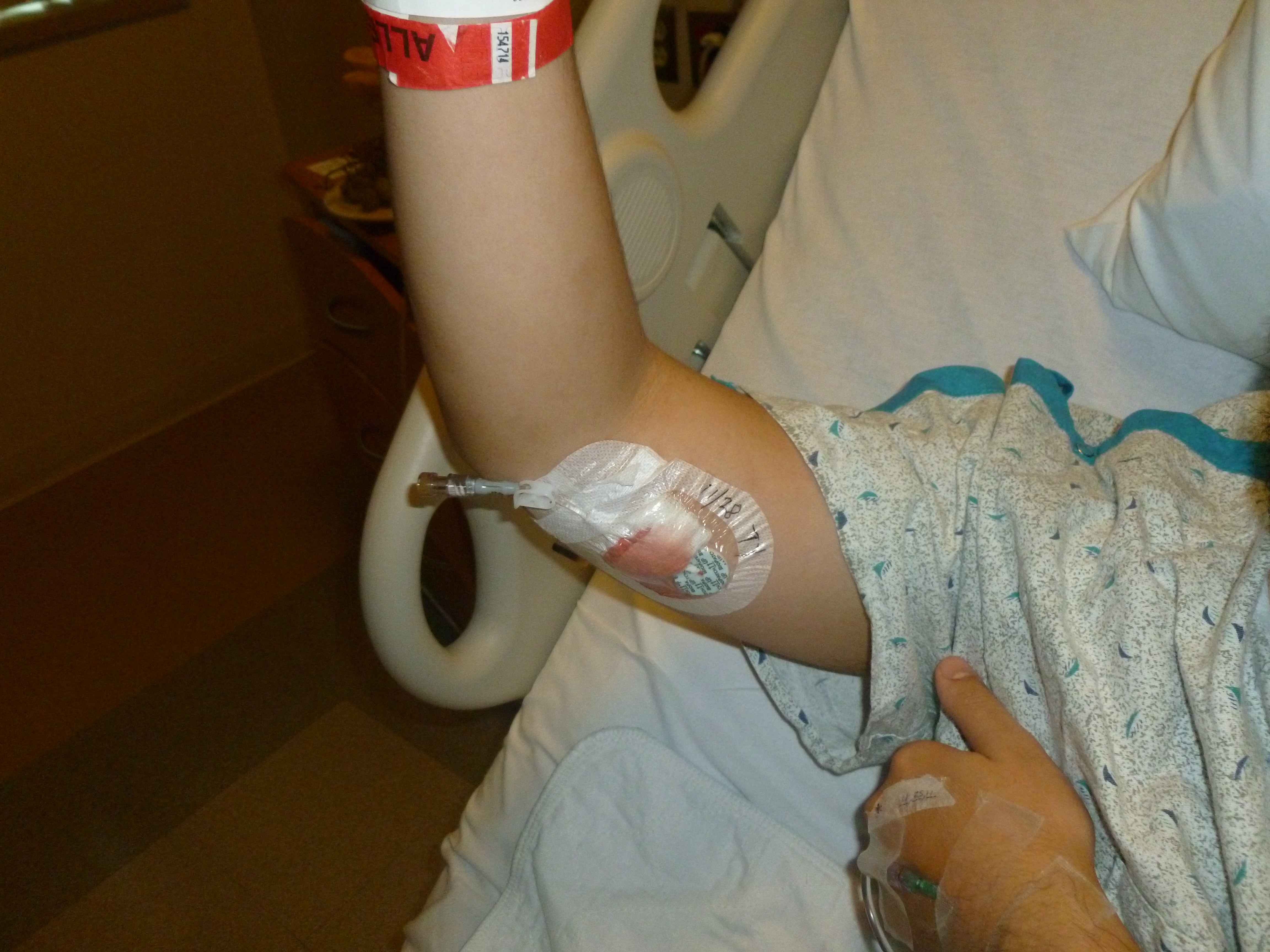
Nothing had prepared me for the invasive medical procedures that I would endure in the coming weeks or for the length of my hospitalization. Forty-eight agonizing days elapsed, during which time I received virtually all of my nutrition through a large intravenous device called a peripherally inserted central catheter (PICC or PIC line). It was continuously hooked up to a large bag with total parenteral nutrition. TPN is a thick whitish liquid containing essential nutrients, about every twelve hours the nurses would come to hang a new bag of “food” and remove my empty one. It was during my hospitalization that I first met with a registered dietitian, a food and nutrition expert. Even when they don’t encounter a crisis as substantial as mine, the nutritional well being of cancer patients often requires consultation with a professional. In my situation, we discussed the specifics of a low fibre diet that I would be required to follow before I could resume a normal eating regimen.

PICC Nutrition

On June 18, 2012, a critical surgical procedure was skillfully performed. When I awoke in the recovery room I sensed that my crisis was at last resolved. Although only half-conscious, I was filled with elation as they informed me that the procedure to correct my obstruction had been successful. The primary cause was established to be scar tissue from my previous operations and now my digestive system was expected to function normally again. Most of all, I was comforted and reassured by the fact that my cancer had not metastasized to other regions of my body. Following my surgery, I spent a couple of more weeks in the hospital recovering and learning how to eat all over again. I was required to start cautiously with liquids and semi-solids such as soup, Jell-O, and pudding. When I was ready to try my first solid food, I commenced a strict low fibre diet, whole grains and the majority of fruits and vegetables were forbidden. My goal was to consume less than 10 grams of fibre daily and eat only foods with 2 grams or less. White bread, egg salad, chicken and low fibre cereals became some of my staples.

Two years after this ordeal I’m grateful that my ovarian cancer continues to be in remission, I’m just as thankful for the fact that I am able to consume a normal diet and enjoy the pleasures of eating. I become frustrated when I look around me and I witness people who don’t realize how important it is to eat properly—I see so many individuals who rush through meals without a second thought. “Oh, I’m too busy to cook,” they argue. “With my work schedule and social obligations, who has time to prepare a meal from scratch?” I would argue back that making time should be a priority—self-care and proper nutrition are essential for your long-term health and can’t be pushed aside without eventually facing the consequences. Ultimately you might discover, as I have, that cooking and dining are two of life’s greatest pleasures. Learning to cook can be enjoyable, and the shared experience of savouring a meal with friends or loved ones considerably enhances your quality of life. As for me, I’m determined that even if my cancer returns I’ll never let it destroy me relationship with food.

IMG_0111

My Relationship With Food: Part I

One of the classic symptoms of ovarian cancer, especially as it becomes more advanced, is a feeling of fullness when you try to eat and a general lack of appetite. This was my experience as I tried to eat meals and enjoy food prior to my diagnosis, something was definitely wrong, but I didn’t know what it was. Throughout my life I’ve always had what I consider to be a positive relationship with food. As a small boned and extremely petite woman I enjoy eating from a full range of food groups—I’ve never been obsessed about dieting trends, such as low carb diets or low fat diets. Even before my cancer diagnosis I was a health conscious individual, aware of the strong connection between our physical and mental health and proper nutrition. I would deliberately avoid such temptations as eating large quantities of prepackaged or processed foods or dining regularly at fast food restaurants. I generally prefer the wonderful taste of home cooking and meals prepared from scratch anyway.

IMG_0190

As my symptoms progressed I was sometimes just going through the motions of eating, and I wished that the doctors would find out what was wrong so my meals would be pleasurable again. Leading up to my cancer diagnosis, even many of my favourite foods such as homemade spaghetti sauce, fresh stir-fries and strawberry smoothies were quickly losing their appeal! I ultimately had a hysterectomy performed in the fall of 2011, one week following my surgery the pathology report came back positive for uterine and ovarian cancer. I was in shock and emotionally devastated, but at least I knew what the enemy was that was trying so hard to destroy my life and my relationship with food! What is more, my cancer journey had begun. I was immediately referred to Calgary’s Tom Baker Cancer Centre where I underwent a highly specialized surgery to remove my remaining ovary and to more accurately stage my disease.

My second surgery was performed on December 13, 2011, and much to my consternation I nearly spent Christmas Day in a hospital bed. While it came as a relief when I was discharged on Christmas Eve, a scrumptious turkey dinner was definitely not going to be part of the celebration for me. I could still hardly stomach solid food. There had been complications following my surgery in the form of a partial bowel blockage. My situation was unfortunate, but perhaps not surprising. Not only had I undergone two surgeries within about eight weeks of each other, during the second procedure my surgeon chose to remove a section of my small bowel in order that it may be tested for cancer. I experienced severe nausea and vomiting in the days following this operation and they used just about every medication in their arsenal to get it under control. At one point we even placed a patch commonly used to treat seasickness behind my ear!

Hospital Food

As soon as I was recovering at home, my mother made a special effort to prepare meals that are my favourites, we both hoped that my appetite would return to normal and that I would gain weight. It was wonderful to taste home cooking again after nearly two weeks on hospital food, but I could sense that something wasn’t exactly right in terms of my digestion. Meanwhile I was assaulted with more bad news, the pathology report from my second surgery revealed that cancer cells had spread to some of my abdominal lymph nodes. It was recommended that I undergo six cycles of chemotherapy, which I started almost immediately. I was given the customary warning about nausea and about how people on chemotherapy often experience a lack of appetite. Typical symptoms also include, constipation and a metallic taste in your mouth that impairs the normal flavour of certain foods.

Once my treatments began, I became completely focused on making it through my chemotherapy and I assumed that the bowel blockage issue that I had experienced was resolved. As my symptoms such as nausea and constipation grew worse, I just attributed it to the carboplatin that I was receiving every three weeks intravenously or to the other medications that I was taking. Soon I was forcing myself to eat what little I could—and even more disturbing was the fact that I hadn’t gained any weight since my recent surgery. The only positive experience I can remember from this period is my discovery of the Living With Cancer Cookbook by Kris Ghosh and Linda Carson, a fantastic volume of recipes specifically aimed at women going trough cancer treatment.

There’s an abundance of comfort food here and a sense that the authors truly have compassion for those of us who struggle to eat, for example breakfast recipes include cheesy ham and asparagus bake and home-style oatmeal with raisons. I also love the way this cookbook is organized to deal with the specific symptoms of cancer treatment. The four most common side effects are nausea, mouth sores, diarrhea and constipation. Eating the right foods can help alleviate these issues and make them more bearable. But as I would soon discover, I’d developed extremely serious complications with my digestive system that would require more surgical intervention. In my next post I’ll discuss my ordeal when I was hospitalized and unable to eat or drink for over a month!

Mindfulness and Cancer

Managing psychological stress when you have cancer can be extremely difficult. How can you experience moments of stillness, relaxation and contentment when your mind is constantly preoccupied with your disease and what impact it might have on your future?

Even when the apprehensiveness over a cancer diagnosis is taken out of the equation, getting our mind to embrace a sense of calmness is often difficult. If you start paying attention to where your mind is from moment to moment throughout the day, chances are you will find that considerable amounts of your time and energy are expended in clinging to life’s memories or regretting unfortunate things that have already happened and that are over. And you will probably find that as much or more energy is expended in anticipating, planning, worrying and fantasizing about the future and what you want to happen or don’t want to happen.

Cancer only exacerbates this inclination; in particular there is the fear and uncertainty. Having cancer means facing the unknown trajectory of the disease, the side effects from chemotherapy or other treatments and the possibility of death. Even thought the doctors have reassured me that I’m in remission, I’m often consumed with anxiety. Like thousands of other women in my situation my mind seeks answers to the inevitable questions. How long will I remain in remission? If I have a recurrence, how can I possibly find the physical and emotional strength to contend with going through everything all over again?

Yoga

I’ve discovered that one of the best ways to quiet my mind and focus my attention is a technique called mindfulness. Jon Kabat-Zinn pioneered using this method with cancer patients and other groups battling chronic pain or illness at the University of Massachusetts Medical School. Mindfulness is basically just a way of paying attention, a way of awakening our minds and being present in the here and now. With principles found in Buddhism, mindfulness teaches us to live moments in each day rather than focusing on what might lie ahead.

Although mindfulness mediation is frequently taught and practiced within the context of Buddhism, it has been argued that its essence is universal. Mindfulness is universal and transcends nationality or culture because it’s essentially a technique for looking deeply into oneself in the spirit of self-inquiry and self-understanding. For this reason it can be learned and practiced by cancer patients without appealing to Asian culture or Buddhist authority to enrich it or authenticate it. Advocates contend that mindfulness stands on its own as a powerful vehicle for self-understanding and healing.

Kabat-Zinn
Jon Kabat-Zinn

So how do you learn to live in each moment and remain focused on what is occurring in the present? How do you become skilled at practicing mindfulness? According to Jon Kabat-Zinn and other teachers mindfulness can take a lifetime to fully master. However, getting started isn’t difficult if a person is motivated to practice and doesn’t expect some magic resolution to life’s problems or to all of their cancer related issues. Its been said that the most insidious enemy of any type of daily practice is our North American culture’s relentless celebration of immediate gratification. Below I’ve listed some of the essential principles of living mindfully:

  • When a cancer patient approaches mindfulness formally in a group or classroom setting one of the first things that they will learn is how to use focused breathing techniques. This helps them to discover their body and how it responds to stress and other emotions. By concentrating on their breath, they can also gently pull their mind back to the present moment when it wanders.
  • Mindfulness is cultivated by simply observing our experiences and not judging them. The natural human tendency is to categorize or label almost everything we see. These judgments often come to dominate our minds, making it difficult to ever find inner peace.
  • Some cancer survivors choose to practice mindfulness meditation or gentle yoga. A study just published in the Journal of Clinical Oncology found that women with breast cancer who practiced yoga had lower levels of stress hormones. They also reported less fatigue and a better quality of life. It’s generally recommended that you ask your doctor if you can participate in yoga, then find a yoga instructor with experience leading a class that includes cancer patients.
  • In our overwhelmingly goal oriented and results driven culture mindfulness is one of the few practices that is essentially a non-doing. It has no other goal than for you to be yourself. For example, when you meditate you’re encouraged not to set specific goals such as I’m going to relax now, I’m going to become more enlightened or I’m going to control my pain. You have nothing to strive for, except perhaps a better recognition and appreciation of the present moment.
  • Acceptance and letting go are crucial components of mindfulness. A philosophy of mindfulness encourages us to come to terms with our life, even difficult experiences such as a cancer diagnosis. Acceptance means seeing things as they actually are in the present. Mindfulness doesn’t require that you have to like your situation—you don’t have to assume a passive attitude toward suffering or life’s unfairness. However, you must come to terms with things as they are and accept them, whether it’s a diagnosis of cancer or learning of someone’s death.

In spite of everything, cancer can be a wake-up call to the value of life, an incentive to live the life we want or believe we were meant to live in the time we have left. Mindfulness, with its emphasis on the present and living each moment fully, can help guide some cancer survivors through this profound journey.

Ralph-Waldo