How Cancer Has Given Me a Better Life: Finding Unexpected Positivity

Although it may seem rather unbelievable, my experience with cancer has brought about important and positive transformations in my life. Confronting my diagnosis of ovarian cancer has compelled me to reconsider my priorities and direct my attention towards what is truly important. Through this awful journey, I’ve discovered unexpected sources of hope and gratitude.

First, the stark reality of being a cancer survivor has allowed me to develop a deeper appreciation for every moment. I’ve learned to truly savour the small joys that each day offers, whether it’s a peaceful walk, a good laugh, or a quiet evening at home. I appreciate little things I used to take for granted, a hot shower, sleeping in my own bed and not at the hospital, watching the sun set over the Rocky Mountains on a crisp autumn evening. Cancer is a life-altering experience, something that has increased my gratitude for the important people in my life and taught me to value the present more than ever before.

My journey through cancer has certainly, on occasion, drawn me closer to my family and friends. I honestly treasure the people who have chosen to remain with me through my cancer ordeal. Today I have fewer acquaintances, but deeper connections with a small number of friends and family members. There have been seemingly unbearable moments when their support has been a source of strength. Together, we’ve navigated shared challenges and had some honest, heartfelt conversations. These experiences have strengthened our bonds, helping us to grow closer and understand one another more deeply. 

Moreover, receiving a cancer diagnosis has taught me valuable lessons in resilience and patience. I’ve discovered many inner strengths that I didn’t realize I possessed, and I’ve become more empathetic towards others who are facing difficulties. When you are first diagnosed with cancer there are moments when you feel your world is spinning out of control. The fundamental paradox for me now is that I’m often in situations where I feel a sense of power, combined with courage and self-assurance. It’s as if I’m standing in life’s Category 5 hurricane and remaining steadfast and unbroken. 

I’ve noticed that trivial activities no longer appeal to me, nor do those people who engage in a shallow lifestyle or value such things. My social circle has gotten smaller, as I find I have little in common with those who pursue material wealth over spiritual growth. While I recognize that material wealth isn’t inherently bad, I’ve acquired a distain for consumerism. 

Like many people dealing with cancer I’ve sometimes felt isolated from those not going through a similar experience. Relatives, friends and acquaintances mean well, but they’re unable to fully empathize or to understand certain aspects of what I’m going through. Many cancer survivors will attest to the fact that there are times when they are surrounded by people and still feel very alone. This type of emotional isolation occurs when you discover that you can no longer relate to people in the same way you did before. 

Things that were important to you in the past are no longer important to you, and your friends and family don’t understand why you have changed so much. I’ve noticed that the books I read, the movies or television that I watch and the activities that I like to participate in have all changed a fair amount since my cancer diagnosis, so have the topics that I prefer to discuss. This transformation has affected my personal relationships and how I feel about those closest to me.

Similarly, my journey has inspired me to become more intentional about self-care and mindfulness. I now make it a priority to check in with myself emotionally and physically, setting aside time for reflection, meditation, and activities that nurture my well-being. These practices have allowed me to find peace even during periods of uncertainty and have reinforced the importance of living authentically.

Ultimately, as a cancer survivor the opinions of others no longer matter as much to me. There’s true freedom in no longer trying to impress people with what I own of how I look. I’m more able to be myself, be authentic, I have the strength of character to let others think what they will about my personal choices and lifestyle, I now realize that I’m not in this world to always please those around me. Furthermore, I’m no longer focused on competition, which can often give rise to greed or envy.

Earning My Graduate Degree in Cancer Survivorship

Receiving a major cancer diagnosis can feel like it shatters one’s world, changing everything that once seemed stable or certain. As a cancer survivor, I sometimes mentally divide my life into before and after ovarian cancer struck me 13 years ago. The brutal truth is that none of us escape cancer unscathed, it’s a life-changing and life-altering disease. 

There’s a quiet irony in the phrase “cancer survivor,” as if surviving were a single moment rather than a continual process. The reality is that cancer survivorship starts at diagnosis and encompasses the physical, social, and economic aspects from diagnosis to the end of life. From this perspective my survivorship began that moment in my gynecologist’s office when he told me the devastating details of my pathology report. 

Simply being diagnosed with cancer made me a survivor, I didn’t have to wait until after I had completed a full year of treatment or until I was officially in remission. Before the surgeons cut into my body, and before the first drop of chemotherapy solution ran ominously into my veins, I was already a survivor in the eyes of the cancer community. I appreciate now that I’ll always be part of this incredible, strong and resilient group.

Metaphorically, my journey through survivorship has granted me membership to an exclusive club with a hard-earned diploma. I’ve come to value this credential as strongly as I do my degrees in English literature and journalism. Unlike my academic degrees, this was a curriculum I never signed up for, but one that insisted on my attendance day after day. 

Looking back, the lessons were challenging and rarely straightforward. As I commenced treatment, there were semesters of anxiety, and endless days spent waiting for my test results. I ultimately underwent three surgeries and received chemotherapy, meanwhile there were pop quizzes in patience, and essays written in the currency of tears and sleepless nights. My education wasn’t theoretical but lived, and every stage demanded a new set of strengths I never thought I possessed.

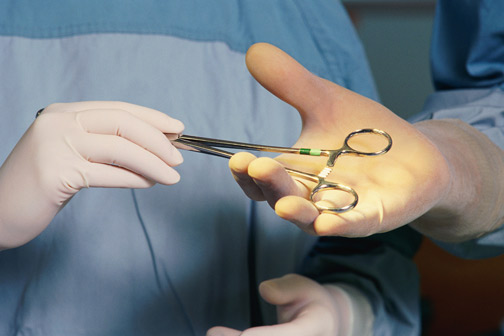
At one point during my cancer treatment, I faced life-threatening complications—a situation that resulted in a hospital stay of over 40 consecutive days. Within those hospital walls, I found myself adapting, learning to anchor hope amid the tempest of uncertainty. The syllabus included chapters on vulnerability, sudden courage, and the unexpected generosity of others.

Unlike my previous diplomas that were earned in university lecture halls, my rigorous studies took place at the cancer centre, in hospital rooms and waiting areas. This time, the faculty included compassionate nurses, gifted oncologists, fellow survivors, and loved ones who refused to let me give up when the coursework became overwhelming. 

I remember fellow patients sharing their stories in waiting rooms, and those people who showed up with gentle words or silent companionship. For me, cancer transformed the ordinary into the profound: peaceful afternoons and cups of coffee became rituals of comfort, a sunrise outside my window became a daily affirmation that I had made it through another night.

There were semesters of loss—especially of certainty, of the illusion that I could control the future. But alongside grief grew an unexpected determination. Small acts—walking the hospital corridor, eating half a meal, managing a smile—became victories worth celebrating. I learned to accept help and to relinquish the stoic armour that once defined me. My education in survivorship was collaborative, communal, and deeply personal.

Along the way, I’ve discovered hidden qualities within myself. I’ve been forced to confront vulnerability, to sit with fear, and eventually to find a kind of peace within unpredictability. These lessons were written not in textbooks, but in the margins of my days and in the faces of those who walked alongside me—even if only for a brief stretch of the journey.

With every surgery and every hurdle, my concept of survivorship expanded beyond the physical, weaving itself into my identity in subtle, indelible ways. Over time, I’ve discovered that surviving cancer is not about returning to who I was before, but about learning to live fully—diploma or not—amid the aftershocks, with newfound courage as my credential.

Cancer as a Loaded Gun and Other Metaphors

Over a decade has passed since I last underwent surgery or had chemotherapy, in many ways my ordeal has become a distant memory, a blur of hospitalizations, trips to the cancer centre and having my life completely upended. Only about half of women with ovarian cancer live beyond five years, fewer still become cancer free. Yes, I’m one of those fortunate ones. However, I still don’t believe in the term “cured” to describe the status of my ovarian cancer, I will only say that I”m in remission or NED (no evidence of disease). 

For me the fear of recurrence is ever-present, an insidious shadow that lingers in the back of my mind. I’ve been released from the cancer centre, and I no longer visit my oncologist for regular assessments. Still, I’m constantly reminded of the fragility of my remission by every ache, every medical scan, and every follow-up visit to my family physician. This uncertainty is a heavy burden to bear. It can be like living your life on a precipice, not knowing if or when you might fall off.

Every moment of normalcy is tinged with an underlying sense of dread that the cancer might return, that the nightmare might start all over again. I’ve somehow learned to navigate life with this invisible weight, to cherish the days of health while always bracing for the possibility of illness. For me, it’s become a delicate balance between hope and fear, between trying to live fully and the anxiety that the disease could reappear at any time.

The lifelong threat of recurrence that I’ve had to accept is complicated to convey to those who’ve never had their physical health suddenly and viciously destroyed. One person graphically compared the experience to being forced to live with a loaded gun pressed against the back of your head.

“Imagine you’re going about your day, minding your own business, when someone sneaks up behind you. You feel something press up against the back of your head, as someone whispers in your ear. “Sssshhhhh…. don’t turn around. Just listen. I am holding a gun against the back of your head. I’m going to keep it there. I’m going to follow you around like this every day, for the rest of your life.”

“I’m going to press a bit harder, every so often, just to remind you I’m here, but you need to try your best to ignore me, to move on with your life. Act like I’m not here, but don’t you ever forget one day I may just pull the trigger, or perhaps I won’t. Isn’t this going to be a fun game?” 

I find this an effective metaphor for what it’s like to be diagnosed with cancer—to be living with any stage of cancer, or any type of the disease. For most survivors, remission doesn’t change the constant fear, the profound uncertainty and apprehensiveness never entirely disappear. Please, if you have friend or loved one who has ever been diagnosed with cancer, consider this fact. They may never talk about it, or they may wish to talk about it often. The most compassionate thing you can do is listen to them. They aren’t asking you to make it better; they simply want you to sit with them in their fear, their sadness, their anger, just for the moment. 

Don’t try to talk us out of the difficult emotions that we’re experiencing. That approach doesn’t help, and it will only make us believe that what we are going through is being minimized. Don’t remind us of all the good things we still have in our life, we know, and we’re grateful. But some days we’re tremendously uneasy—we feel that gun pressing ominously against us, and we need to talk about it. Offer us an ear.

Cancer Guilt: Understanding the Misconceptions

Cancer isn’t our fault.

One of the most disturbing revelations for me after being diagnosed with cancer was the amount of guilt and blame there is surrounding the disease. We still live in a society that subtlety, or even openly, tells cancer patients that it’s our fault. Two years ago, before she was Alberta’s provincial leader, Premier Danielle Smith made a shocking comment in which she essentially blamed cancer patients for their condition.

Smith’s now infamous comment was made during a podcast with naturopathic doctor Dr. Christine Perkins. The two were discussing healthcare and their shared belief that there’s a need for both mainstream and naturopathic medicines.

“Once you’ve arrived and got stage four cancer and there’s radiation and surgery and chemotherapy, that is incredibly expensive intervention — not just for the system, but also expensive in the toll it takes on the body,” Smith reasoned. “But, when you think everything that built up before you got to stage four and that diagnosis, that’s completely within your control and there’s something you can do about that that is different.”

We aren’t simply on vacation or short-term sick leave.

Ordinarily healthy people tend to assume that having cancer or a serious chronic illness is comparable to a couple of weeks spent recovering—perhaps from a slight injury or minor surgical procedure. This attitude probably stems from genuine ignorance, far too many people don’t understand the impact that cancer and cancer treatment have on the human body. Still, it can be devastating when co-workers or relatives imply that you are lazy or enjoying a relaxing break. “Why aren’t you back at work yet? It must be nice to be able to stay home all the time.” 

We can’t just resume our lives as if nothing happened.

Some pundits seem to think that, once we regain some of our strength and physical health, we should put the fact that we had cancer behind us and simply carry on with life. While I’m currently in remission, those dark days of surgery and chemotherapy have permanently changed my body and affected my psyche. In addition to a fear of recurrence, I’ve had to accept physical changes. These transformations include the fact that my abdomen is severely scarred and that I have significantly less energy or vitality than I did prior to undergoing cancer treatment. It’s also worth mentioning that, like so many other cancer survivors, I’ve had to deal with disability. In my case, I had substantial hearing loss prior to my cancer, but the chemotherapy drugs that were used have spitefully robbed me of even more

We don’t need medical advice from non-experts.

When I was undergoing treatment, I can remember getting angry when people other than my cancer care team would try to give me medical information. “If I want information regarding cancer or cancer treatment, I’ll ask for it,” I thought. The many articles from newspapers, magazines or online publications that I received from people who had never personally had cancer were annoying. For the most part these pieces were irrelevant and unnecessary. Also friends and family should be careful when presenting teas, potions or homeopathic remedies to treat cancer. When some individuals gave me a gift basket with ginger and dandelion root, I didn’t bother to explain to them that these nutrients are specifically mentioned on a list oncologists give to their patients. Ginger and dandelion root do not combine well with many traditional chemotherapy drugs, and therefore I was told to refrain from using them during active treatment with Carboplatin and Taxol.

Our cancer journey doesn’t end once our treatment is over.

As a woman who has experienced gynaecological cancer, I’ve come to accept one commonly held view of cancer survivorship:

“Cancer survivorship begins at diagnosis and covers the physical, psychosocial, and economic issues of cancer, from diagnosis until the end of life.” 

First, I accept the all-encompassing notion that’s presented in this definition because cancer does impact every single aspect of a person’s life. In retrospect, I also believe that my survivorship began that moment in my gynecologist’s office when he told me the devastating details of my pathology report. 

Simply being diagnosed with cancer made me a survivor, from this perspective I didn’t have to wait until after I had completed a full year of treatment or until I was officially in remission. Before the surgeons at the Tom Baker Cancer Centre cut into my body, and before the first drop of chemotherapy solution ran ominously into my veins, I was already a survivor in the eyes of the cancer community. I appreciate now that I’ll always be part of this incredible, strong and resilient group.

When the Poppies Bloom

You are the masterpiece, and your life is the canvas. Express yourself boldly, Live and breathe in full colour, and make every mark matter. It’s never too late to imbibe all you create with clear intention and kindness and enjoy the rewards of your courage.

Lisa Azarmi


I believe that nearly all cancer patients arrive at a stage in their difficult journey that’s like reaching the peak of a mountain. When this occurs, we have an epiphany, a feeling of conquering something we though was insurmountable.

For some cancer patients this might mean ringing the bell after chemotherapy or radiation treatment has finished, for others it might be turning the corner after several months of unbearable physical or emotional suffering. I’ll always remember my moment of cancer epiphany, it happened on July 1, 2012.

First, I reached an unparalleled low physically and emotionally during the spring of 2012, I was five months into my cancer journey. My path had been relentless, brutal and unlike anything I’d ever had to face before. When the spring finally materialized after a seemingly endless winter, I’d already had two major abdominal surgeries as well as four chemotherapy infusions. Even through fatigue and nausea, I remember watching a pair of finches build their nest in my yard.

In May I learned I was facing a potentially life-threatening complication due to my rigorous cancer treatments. Bowel blockages occur at an alarming rate for people diagnosed with gynecologic cancers— although when I was an innocent newcomer to the realm of ovarian cancer, I still had little idea how common these obstructions are in patients with the disease. For a long time, I thought my symptoms of severe nausea and abdominal discomfort were due to the chemotherapy drugs alone and that no other medical issues were at play.

Eventually, vomiting and in pain, I was transported to the emergency room through early rush hour traffic. It was a bright May morning when I entered the doors of Calgary’s largest medical centre and was admitted suffering from a bowel blockage. With hindsight, I realize that nothing could have prepared me for the invasive medical procedures that I was about to endure in the coming weeks or for the length of my hospitalization. I acknowledge that at first, I literally wanted to die rather than deal with what was happening. 

Seven agonizing weeks would elapse in the hospital, during this period I received virtually all my nutrition through a peripherally inserted central catheter (PICC or PIC line). A decision was finally made to operate a third time, and on June 18, 2012, intestinal surgery was skillfully performed. When I awoke in the recovery room, I sensed that my crisis was at last resolved. Although only half-conscious, I was filled with elation as they informed me that the procedure to correct my obstruction had been successful. 

The primary cause had been extensive scar tissue from my previous operations, a couple of bowel resections had to be performed. With this intervention, my stomach was expected to empty normally into to my small intestine again. Most of all, I was comforted and reassured by the fact that, although there had been scarring and adhesion, my cancer had not visibly metastasized to other regions of my body.

My discharge from the hospital ultimately took place on a balmy July afternoon; the clothes I had worn nearly two months earlier felt hot and loose fitting. I was so weak from my ordeal that I struggled to walk just 10 or 20 metres, but I was in awe as I observed how the seasons had changed and nearly everything had been transformed. I can still remember the blissful car ride home and my sense of anticipation during that short, but very emancipating, commute. Even the fresh air filling my lungs was like a breath of freedom.

Upon arriving at the small bungalow where I live, something magical occurred. As my eyes surveyed the backyard, the unexpected sight of poppies in full bloom completely overwhelmed me. It was as if I were seeing them for the first time. Now, each year, I remain inspired by their exquisiteness—even if my cancer returns I’m encouraged by the realization that their brilliant orange petals and intricately designed purple centres will never appear ordinary to me again. 

A Cancer Patient’s Guide to That Awkward Age

A cancer patient’s age can influence their overall prognosis, but it’s also known to affect many diverse aspects of their cancer journey. I was just 46 when I was diagnosed with both uterine and ovarian cancer, however the median age of diagnosis in Canada is about 63. I now realize that age is one important factor in how the medical community perceives your risk.

Obviously my gynecologist was concerned when he diagnosed me with endometriosis and a medium sized mass on my right ovary. He wanted to perform surgery, but he still believed the likelihood was for my condition to be benign. About a week following my surgery, the pathology report ultimately revealed the presence of adenocarcinoma in both my uterus and ovary. Meanwhile, my gynecologist acknowledged that he was shocked because the disease is relatively infrequent in women under fifty. 

On my first few visits to the cancer centre, I became even more acutely aware of my age and its implications. Now it was starting to feel like both a blessing and a curse, an advantage, and a disadvantage. A cancer diagnosis has the power to impact nearly every aspect of your life; you feel it physically, emotionally, socially, and financially. Studies have indicated that younger patients usually have a physical advantage, but they may possibly experience a disadvantage in the other areas.

When I attended my appointments with my oncologist at the Tom Baker Cancer Centre, I noticed that I was surrounded by women in my own fortysomething age range. However, many of them were not patients themselves, they were there most often as caregivers and were accompanying a cancer stricken elderly parent. Sometimes as I walked in with my support person, my healthy and totally independent 72-year-old mother, I would feel bitter and confused at our obvious role reversal.

Even so, a part of me remained grateful that I was younger than most patients. I was terrified because I realized that ovarian cancer has a dismal five-year survival rate, but at the same time I was also aware that a woman’s age plus the stage of her cancer are usually the two most significant factors in determining her prognosis. I quickly discovered that oncologists will perhaps approve different types of treatment depending on a patient’s age. They are sometimes able to approach cancer treatment more aggressively if, for example, a patient is 46 rather than 66.

Following my first examination at the Tom Baker Cancer Centre, my mother and I were ushered into one of the conference rooms to meet with my gynecologic oncologist, he had with him several junior doctors and residents. The seriousness of my situation began to register, as I looked across the table at four of five white-coated medical professionals. Suddenly I realized that my cancer care team had made a decision and they were going to go all in.

Sure enough, they explained that they wanted me to undergo surgery as soon as possible. This news was overwhelming, especially since I was still recovering from a total abdominal hysterectomy that I had undergone three weeks earlier. “I just had a hysterectomy and now I’m dying of cancer,” I tearfully blurted out. “You’re not dying, I’ll inform you if you are dying,” a firm voice immediately responded. These rational words jolted me back to reality, and before I left, I signed a consent form for a laparotomy—a specialized procedure in which abdominal organs are removed, biopsied or repaired and a definitive diagnosis can be made.

At our meeting my oncologist had been unambiguous that his treatment goal was a “cure” or full remission. Meanwhile, the most important thing I could do was to have faith— if the medical professionals believed I could become cancer free then this was an outcome worth striving for. For a year I endured what seemed like an endless hell of major abdominal surgeries and chemotherapy, at one point I even required additional surgery to repair a bowel obstruction. My treatments and hospitalizations were so rigorous that I don’t know if I could withstand them again now. Looking back a decade later, I now credit my relative youth as a major advantage in the agonizing struggle to destroy my cancer.

Even so, I continue to believe that I’m at a kind of messy middle range for cancer patients. In many instances, people in their forties or fifties experience the financial hardship or toxicity of a cancer diagnosis more severely. Those who are younger don’t have as many financial responsibilities and are usually able to rely on their parents or others for financial support. Obviously, most cancer patients in my age group are at the stage of their lives when they’re in the workforce and usually mid to late career. They’re not retired so they mourn the loss of income and the loss of social status if they must exit the workforce or take long-term leave. 

Finally, I’ve observed a gap in psychosocial support for this age range. There are a fair number of young adult cancer support groups for patients under 35, and there is often specialized support designed for seniors over 65. Those of us who are middle-aged when cancer strikes tend to be left more on our own, especially when active treatment is finished, and we are considered cancer-free or in remission. As someone with first-hand experience I know that cancer survivorship is a lifelong journey that doesn’t stop when surgery or chemotherapy treatment is over.

The Unexpected Tranquility of Ovarian Cancer

When I was younger and healthier, I remember how much I was always in a hurry. I often filled my days with endless commitments, I would typically rush through my day with goals to achieve or promises to keep. Living with cancer has forced me to slow down, it’s taught me to appreciate the quiet, peaceful moments and the simple everyday routines that enrich my life.

Canadian singer-songwriter and author, Jann Arden, recently wrote about why she has chosen to slow down and take her life more unhurriedly. She once kept up a frenzied pace of tour dates and other music industry obligations. While Arden isn’t a cancer survivor, coping with middle age and then the death or her mother after a long battle with Alzheimer’s disease have had a significant impact.

“I never leap out of bed and shoot into the day like an arrow. I used to. I used to slam down an alarm and race into the day like I had to put out a fire, and the only thing on fire was me—and not in a good way. The race can make us sick. The race can make us lose sight of what’s important and valuable and worthwhile and sacred,” Arden wrote.

She maintains that one of the best things she ever did for herself was to reassess her frenzied lifestyle. “Believe it or not, I became much more productive. My work has become deeper and more fulfilling in every way. Don’t worry what anybody thinks if you don’t want to do something or can’t do something. We will all be dead in fifty years and honestly, it just doesn’t matter. Take time for yourself and you’ll be much more apt to take time for other people. People you enjoy. People you learn from. People that fill you up and cheer you on.”

I’m in agreement with Jann Arden that adventure in life can sometimes be quiet and slow. One’s personal journey doesn’t always have to be climbing mountains or jumping out of planes; some days adventure can be a deep conversation and a car ride out to the country. If you race blindly through life, you’ll miss the most important and pleasurable things.

It’s understandable that certain people would consider my life as a middle-aged cancer survivor extremely boring, but I’ve learned to embrace even the boring parts. Now that I’ve spent over a decade in remission, I don’t want to relive the “excitement” of surgery, chemotherapy, and regular appointments at the cancer centre. The poem Being Boring by Wendy Cope perfectly captures my complex array of emotions now that my life and cancer are stable.

Being Boring

‘May you live in interesting times.’ –Chinese curse

If you ask me ‘What’s new?’, I have nothing to say
Except that the garden is growing.
I had a slight cold but it’s better today.
I’m content with the way things are going.
Yes, he is the same as he usually is,
Still eating and sleeping and snoring.
I get on with my work. He gets on with his.
I know this is all very boring.

There was drama enough in my turbulent past:
Tears and passion–I’ve used up a tankful.
No news is good news, and long may it last.
If nothing much happens, I’m thankful.
A happier cabbage you never did see,
My vegetable spirits are soaring.
If you’re after excitement, steer well clear of me.
I want to go on being boring.

I don’t go to parties. Well, what are they for,
If you don’t need to find a new lover?
You drink and you listen and drink a bit more
And you take the next day to recover.
Someone to stay home with was all my desire
And, now that I’ve found a safe mooring,
I’ve just one ambition in life: I aspire
To go on and on being boring.

I can relate when Cope describes how she is content with a “boring” life and expresses that she dislikes anything which is out of the ordinary. I feel connected in the sense that this is essentially an autobiographical poem, indicating that the author is satisfied with an uncomplicated, peaceful life as opposed to one that is always beset with drama and turbulence.

Temporary and Permanent

One of the most heartbreaking lessons that I’ve acquired so far from my cancer journey has been that cancer can result in abandonment. Like the majority of cancer survivors, I’ve experienced the inevitable loss of some of my long-time friends and acquaintances.

I’ve gradually been able to accept that these people where not meant to support me or to be with me and that perhaps they lacked the strength or the spirit to remain as I confront the many challenges of ovarian cancer. Indeed, some relationships can’t weather a storm and are only temporary, while others are able to withstand numerous hardships and the test of time. 

In this post I’d like to share a poem that illuminates this theme for me in a manner that I feel other cancer survivors might also strongly relate to. The poem is by Nikita Gill, the well-known British-Indian poet, playwright, and illustrator.


Temporary and Permanent

Most people in your life
were only meant 
for dreams, 
and summer laughter.

They stay till the wind changes, 
the tides turn, 
or disappear 
with the first snow.

And then there are some 
that were forged
to weather blizzards 
and pain with you.

They were cast in iron, 
set in gold 
and never ever leave you 
to face anything alone.

Know who these people are.
And love them the way they deserve.
Not everyone in your life is temporary.
A few are as permanent as love is old.


As for myself, I’ve been living in the shadow of cancer for over a decade, sometimes I’ve felt alone and other times I’ve felt the support of others. In hindsight I think it’s important that we show gratitude for the people in our lives who are permanent, the ones who are willing to stay with us even throughout the most unbearable parts of our journey. We should acknowledge that these individuals are rare and special, or as the author so appropriately describes them cast in iron, set in gold.

Another Trip Around the Sun

As a cancer survivor I have a tendency to divide my life into two parts—in my mind there’s a well-defined partition, a psychological wall separating before and after ovarian cancer struck me almost 12 years ago. The truth is none of us escape cancer unscathed, it’s a life-changing and life-altering disease. Some cancer patients even describe their experience as being reborn and staring life anew. 

Each July as my birthday aproaches I’m grateful to be alive, but also uncomfortably aware that my cancer could easily recur. The reality is that another birthday, another year on this earth, is promised to no one. This July I turn 58 and I have some advice I’d like to share, especially with people who are younger or who have not experienced any serious health issues.

  • Make an effort to appreciate each moment in life and whenever possible spend time with those you care about. I’ve witnessed far too many members of the ovarian community pass away young, some confined to a palliative care bed in what should have been the prime of their life. Sadly, I’ve also lost friends and family members prematurely due to various causes. Cherish the present, try to make today the best day possible because tomorrow is never guaranteed.
  • Stop struggling to live up to other people’s expectations, don’t sacrifice your happiness in an attempt to please them all the time. Above all get to know yourself and understand who you really are. Since my cancer diagnosis I’ve been discovering who I am, aside from the mask that I wore to fit into codependent family dynamics. Examining my past interactions with my family, I now realize that there were circumstances when I felt compelled to play a particular role in order to be loved and accepted by them.

  • Investing in yourself is always the best choice, so believe in yourself and pursue your dreams. It’s almost never too late to get that extra education, switch careers, or learn a new thing. Even in your sixties or seventies, in most cases you can still write that book, start painting or pursue your secret passion. Your future, your mental health and your overall well-being ultimately depend on you continuing to learn and grow.
  • It’s the things you didn’t experience and the goals you didn’t pursue hard enough that you’ll regret as you become older or if you become chronically ill. Go for it, whatever it is just try. Maybe you’ll make it or maybe you won’t. The result isn’t the point, your journey, your growth, is the most important issue. Don’t let anyone convince you that you shouldn’t try. Their fear is theirs, it’s not yours to carry.
  • No one thinks about you or the significance of every minor episode in your life more than you do. That mistake you made at work or that embarrassing thing you said two years ago that still keeps you up at night? The reality is that no one else involved is likely to even remember the incident, so just honour the memory and let it go. Releasing it will bring you peace of mind.
  • You’ll discover that friendships and other kinds of relationships change. Moving on from a personal or professional relationship doesn’t mean it wasn’t important, it just means that it no longer serves you. I’ve also come to realize that you don’t have to feel guilty about setting boundaries or removing toxic people from your life. It doesn’t matter whether someone is a relative, romantic interest, employer, childhood friend or a new acquaintance—you don’t have to make room for people who cause you pain or make you feel small. 

  • Remember that life isn’t fair, no matter how much you yearn for it to be. Psychologists have observed that as human beings we tend to uphold something called the just world hypothesis or just world fallacy. We cling to the idea that the world is a fair and orderly place where what happens to people generally is what they deserve. Naturally, when we suffer something unspeakable such as a cancer diagnosis, our sense of stability and our belief in a just or fair world is severely shaken—we try, but we can no longer rationalize much of what we previously thought was true. 
  • Don’t overlook the fact that in order to be respected and loved by others you must first learn to respect and love yourself. You shouldn’t feel unworthy, because you’re enough. I don’t care what your parents told you, or your teachers, or anyone else. The next time you’re having a self-denigrating thought ask yourself what you would say to someone else feeling that way. What would you tell them? Try applying this same kind of gentle guidance to yourself. Most of all, acknowledge how strong you are to have made it this far in your life. You are important, you are brave, and you are resilient.

We Can’t Pretend It Didn’t Happen

Covid was, and still is, a global tragedy – yet three years into this pandemic I rarely hear people discussing its lasting impact on humanity. It wasn’t long ago that the novel coronavirus and the threat that it posed consumed our daily newscasts, I watched as briefings from government officials occurred almost daily and we cheered for the doctors and nurses working to the point of exhaustion on the front lines. The most important question now is why aren’t we talking about it anymore?

On the surface many low risk and younger people have resumed their pre-pandemic lives. In the three years since COVID-19 was designated an emergency by the World Health Organization, workers have begun to go back to the office, public health restrictions have lifted and masks are no longer mandatory in most places. For many people there is relief and their lives are starting to resemble the pre-pandemic reality.

But in my opinion, there is now a collective sense of denial, a denying of the suffering that occurred and of the approximately 7 million lives that have been lost globally. At the beginning of the pandemic we were “all in this together” as we faced grief, fear and uncertainty. It was impossible to deny the crisis as we all watched the chaos unfold around us. Our work, health-care, education and economic systems, all of these vital systems we depend on, became destabilized.

I think most people are currently determined to put the trauma in the past and move on. It’s interesting to note that this burying of communal grief happened with Spanish flu, too: Laura Spinney’s book on the 1918 pandemic describes the “collective forgetting” and the absence of official memorials. It was, Spinney explains, remembered “personally, not collectively … as millions of discrete, private tragedies”. Nevertheless, the Spanish flu was as significant – if not more so – as two world wars in shaping the modern world. The 1918 pandemic is now recognized for disrupting, and often permanently altering, global politics— it also transformed race relations, family structures, and thinking across medicine, religion and the arts.

I see history repeating itself with our current pandemic—society in general is enormously reluctant to acknowledge the magnitude of what we’ve been through or to accept that it continues to affect us. Like many cancer survivors, I don’t have the luxury of living in denial, I worry that COVID-19 is still not considered endemic by the Word Health Organization and that I could be vulnerable if I catch the virus. Three years later I’m still not able to resume my pre-pandemic life, I don’t attend public activities without assessing my risk or taking precautions.

What I hope the future will bring.

Although vaccinations, treatments, and prior immunity have made COVID less dangerous for most people, there are still individuals who remain vulnerable, those most in danger are seniors or anyone with a chronic health condition. Ending the COVID-19 public health restrictions has actually made navigating life harder for various groups like cancer patients and the immunocompromised. To me it’s also unfair that most of the burden of COVID-19 advocacy has fallen to us—I’m proud of our small determined alliance that includes cancer patients, those with long covid and those who have lost family members.

In the future I want governments and elected officials to take more responsibility for advocating as they make COVID-19 mitigation a higher priority. Polls suggest that voters don’t particularly care about COVID-19 anymore, but it really needs to be science, not polls, that guides public health. As COVID restrictions were lifted and the pandemic was put on the back burner, in some cases the death toll rose. According to statistics released by Health Canada, 2022 proved to be the deadliest year of the COVID-19 pandemic in Canada. Almost 20,000 Canadians died from COVID-19, that’s close to a 30 per cent increase in fatalities compared to 2021.

I agree with scientific experts that the ability to control respiratory illnesses will be dependent on our ability to improve air quality. This includes measures such as CO2 monitors and air filtration devices. The airborne nature of COVID-19 is a fact not up for debate, the inability of our governments to state that categorically is, I would argue, politically based. Acknowledgement of that fact would make them culpable for their inaction on measures.

As a cancer survivor and someone who remains more vulnerable than most, I’m concerned that governments are gradually giving up their responsibility for protecting us from the virus. I worry that as the emergency winds down, it’s become more challenging to access medical services like free vaccines, COVID-19 tests, and telehealth care. In the United States there’s concern that in the future continued access to these COVID interventions might depend on the individual’s health insurance status.

Going forward, action must also be taken to address the millions of citizens who remain ill or disabled due to COVID, I notice a reluctance by officials to talk about the phenomenon of long covid—there is growing scientific evidence that some patients who have apparently recovered from the virus will face life-long health issues or chronic disabilities. Ultimately, there must be social, medical and financial supports made available to these unacknowledged victims of the pandemic.