Starting 2024 With Hope and Optimism

In my opinion living with cancer is one of the most difficult and brutal things that any person will ever have to face, to have cancer is to live moment by moment and it’s not always easy for us to look toward the future. Still, I feel I’m in a better situation than many because I’ve been in remission for eleven years. My long remission and the fact that my city, Calgary, Alberta, intends to open a new state-of-the-art cancer centre this year has me facing the New Year with hope and optimism.

The Arthur J.E. Child Comprehensive Cancer Centre

At some point in 2024 I’ll witness the grand opening of Canada’s largest and newest comprehensive cancer centre! I experienced how desperately we needed a new cancer centre when I was going through treatment. Our city’s existing Tom Baker Centre has been serving men and women diagnosed with cancer for approximately two generations now; it opened its doors over 40 years ago in the early 1980s. At the time, Albertan’s marveled at the spacious and innovative new facility. The building had been meticulously designed to provide cancer care for Calgary’s population and the rest of southern Alberta. Although the Baker Centre’s first doctors once pondered how exactly they’d fill all the new space available to them, I saw the present day oncologists, nurses and technicians grapple with cramped offices, crowded reception areas and patients lining the hallways waiting for treatment. 

An artist’s rendering of Calgary’s new Arthur Child Cancer Centre

When it opens later this year, it’s promised that the new Arthur J.E. Child Comprehensive Cancer Centre will engage patients as the focus of a multidisciplinary health system, we will have access to comprehensive cancer care services in a state-of-the-art facility. In fact, the extensive scope and integration of cancer care services at Calgary’s new hospital will make it one of the most comprehensive cancer centres in the world. Operationally, the Arthur Child will include both inpatient and outpatient services. Services based on clinical priorities are to include:

  • more than 100 patient exam rooms
  • 160 inpatient unit beds
  • more than 100 chemotherapy chairs
  • increased space for clinical trials
  • 12 radiation vaults, with three more shelled in for future growth
  • new on-site underground parking with 1,650 stalls.
  • numerous outpatient cancer clinics
  • clinical and operational support services and research laboratories

Important Oncology Breakthroughs

There’s no doubt that COVID-19 caused a huge backlog in cancer diagnosis and treatment. However, there is still plenty of positive news. Despite the recent global pandemic, medical advances are still accelerating the battle against cancer. Here are a few of the exciting recent developments in the field of oncology!

The seven-minute cancer treatment

The National Health Service (NHS) in England is to be the first in the world to make use of a cancer treatment injection. It takes just seven minutes to administer, rather than the current time of up to an hour to have the same drug via intravenous infusion. This will not only speed up the treatment process for patients, but also free up time for medical professionals. The drug, Atezolizumab or Tecentriq, treats cancers including lung and breast, and it’s expected most of the 3,600 NHS patients in England currently receiving it intravenously will now switch to the new injection.

Precision oncology

Precision oncology, defined as molecular profiling of tumors to identify targetable alterations, is rapidly developing and has entered the mainstream of clinical practice. Precision oncology involves studying the genetic makeup and molecular characteristics of cancer tumours in individual patients. The precision oncology approach identifies changes in cells that might be causing the cancer to grow and spread. Personalized treatments can then be developed. Because precision oncology treatments are targeted – as opposed to general treatments like chemotherapy – it can mean less harm to healthy cells and fewer side effects as a result.

Liquid and synthetic biopsies 

Biopsies are the main way doctors diagnose cancer – but the process is invasive and involves removing a section of tissue from the body, sometimes surgically, so it can be examined in a laboratory. Liquid biopsies are an easier and less invasive solution where blood samples can be tested for signs of cancer. Synthetic biopsies are another innovation that can force cancer cells to reveal themselves during the earliest stages of the disease.

Car-T-cell therapy

A treatment that makes immune cells hunt down and kill cancer cells was recently declared a success for leukaemia patients. The treatment, called CAR-T-cell therapy, involves removing and genetically altering immune cells, called T cells, from cancer patients. The altered cells then produce proteins called chimeric antigen receptors (CARs). These recognize and can destroy cancer cells. In the journal Nature, scientists at the University of Pennsylvania announced thattwo of the first people treated with Car-T-cell therapy were still in remission 12 years on.

I Asked My Body What She Needed

In my introductory blog post, published more than ten years ago, I familiarized readers with the concept of “embracing the new pretty” in the wake of my uterine and ovarian cancer. Basically, this involved trying to come to terms with the physical changes to my body due to cancer treatments, an issue that almost all women who have had a major cancer diagnosis experience. For many survivors the changes can be profound and emotionally devastating. In the event of uterine or ovarian cancer, transformations to a woman’s body will typically include a permanently and severely scarred abdomen as well as the removal of her internal reproductive organs. Meanwhile, breast cancer patients face mastectomies, biopsies or lumpectomies. To me embracing the new pretty involves accepting these physical changes and also questioning our culture’s popular notions about femininity and beauty. 

Of course, there’s also the toll that cancer normally takes on a patient’s energy and endurance. From my muscle strength to my ability to endure exercise, I noticed a significant decline in what my body could accomplish immediately after treatment. It certainly didn’t help that near the end of my treatment in 2012 I was hospitalized for seven weeks while my doctors tended to a dangerous, and extremely painful, bowel obstruction. Nothing had prepared me for the length of my hospitalization, and I seriously don’t think my medical team planned for me to have such an extended stay in an acute care bed on the cancer unit. I’ll always remember my sense of wonder and the unrestrained joy that I felt when I was finally discharged from the hospital. 

Unfortunately for the first time in my life, I learned what it’s like not to be able to walk medium or long distances. It took nearly all the strength I could muster just to stand or walk very short distances, and climbing stairs was out of the question for me. To my dismay, I discovered that the muscles in my legs had atrophied during the endless weeks that I was confined to a hospital bed. On the day I went home I had an absolutely helpless feeling as I was transported from my hospital unit to my mother’s waiting car in a wheelchair. As we drove, I knew my recovery would be arduous and probably take months.

How could I forgive cancer for wrecking my body? More importantly, how could I learn to love or appreciate my body as it now was? A few years ago, I came across a beautiful poem online. It begins, “today I asked my body what she needed.” Although the poem  isn’t specifically about cancer, it expertly addresses such themes as body image, self-acceptance and self-love. 


Today I asked my body what she needed,
Which is a big deal
Considering my journey of
Not Really Asking That Much.

I thought she might need more water.
Or protein.
Or greens.
Or yoga.
Or supplements.
Or movement.

But as I stood in the shower
Reflecting on her stretch marks,
Her roundness where I would like flatness,
Her softness where I would like firmness,
All those conditioned wishes
That form a bundle of
Never-Quite-Right-Ness,
She whispered very gently:

Could you just love me like this?

Hollie Holden, June 2016


When I first read this work, I was moved to tears by Holden’s use of personification, a literary technique that she skilfully employs throughout the poem. She gently and intimately speaks to her body as if it were a friend or another person. The author’s implication here is unmistakable, give yourself the grace and respect you would bestow on a dear friend, or even a younger version of yourself. Would you be hypercritical of your children? Would you speak out loud to yourself harshly and unforgivingly in the presence of someone else? The principal lesson for me as the reader is that I’m always worthy of love and that I deserve gentleness and compassion — even more fundamental is the notion that love and validation needs to come not just from others, but from myself as well.

Temporary and Permanent

One of the most heartbreaking lessons that I’ve acquired so far from my cancer journey has been that cancer can result in abandonment. Like the majority of cancer survivors, I’ve experienced the inevitable loss of some of my long-time friends and acquaintances.

I’ve gradually been able to accept that these people where not meant to support me or to be with me and that perhaps they lacked the strength or the spirit to remain as I confront the many challenges of ovarian cancer. Indeed, some relationships can’t weather a storm and are only temporary, while others are able to withstand numerous hardships and the test of time. 

In this post I’d like to share a poem that illuminates this theme for me in a manner that I feel other cancer survivors might also strongly relate to. The poem is by Nikita Gill, the well-known British-Indian poet, playwright, and illustrator.


Temporary and Permanent

Most people in your life
were only meant 
for dreams, 
and summer laughter.

They stay till the wind changes, 
the tides turn, 
or disappear 
with the first snow.

And then there are some 
that were forged
to weather blizzards 
and pain with you.

They were cast in iron, 
set in gold 
and never ever leave you 
to face anything alone.

Know who these people are.
And love them the way they deserve.
Not everyone in your life is temporary.
A few are as permanent as love is old.


As for myself, I’ve been living in the shadow of cancer for over a decade, sometimes I’ve felt alone and other times I’ve felt the support of others. In hindsight I think it’s important that we show gratitude for the people in our lives who are permanent, the ones who are willing to stay with us even throughout the most unbearable parts of our journey. We should acknowledge that these individuals are rare and special, or as the author so appropriately describes them cast in iron, set in gold.

Another Trip Around the Sun

As a cancer survivor I have a tendency to divide my life into two parts—in my mind there’s a well-defined partition, a psychological wall separating before and after ovarian cancer struck me almost 12 years ago. The truth is none of us escape cancer unscathed, it’s a life-changing and life-altering disease. Some cancer patients even describe their experience as being reborn and staring life anew. 

Each July as my birthday aproaches I’m grateful to be alive, but also uncomfortably aware that my cancer could easily recur. The reality is that another birthday, another year on this earth, is promised to no one. This July I turn 58 and I have some advice I’d like to share, especially with people who are younger or who have not experienced any serious health issues.

  • Make an effort to appreciate each moment in life and whenever possible spend time with those you care about. I’ve witnessed far too many members of the ovarian community pass away young, some confined to a palliative care bed in what should have been the prime of their life. Sadly, I’ve also lost friends and family members prematurely due to various causes. Cherish the present, try to make today the best day possible because tomorrow is never guaranteed.
  • Stop struggling to live up to other people’s expectations, don’t sacrifice your happiness in an attempt to please them all the time. Above all get to know yourself and understand who you really are. Since my cancer diagnosis I’ve been discovering who I am, aside from the mask that I wore to fit into codependent family dynamics. Examining my past interactions with my family, I now realize that there were circumstances when I felt compelled to play a particular role in order to be loved and accepted by them.

  • Investing in yourself is always the best choice, so believe in yourself and pursue your dreams. It’s almost never too late to get that extra education, switch careers, or learn a new thing. Even in your sixties or seventies, in most cases you can still write that book, start painting or pursue your secret passion. Your future, your mental health and your overall well-being ultimately depend on you continuing to learn and grow.
  • It’s the things you didn’t experience and the goals you didn’t pursue hard enough that you’ll regret as you become older or if you become chronically ill. Go for it, whatever it is just try. Maybe you’ll make it or maybe you won’t. The result isn’t the point, your journey, your growth, is the most important issue. Don’t let anyone convince you that you shouldn’t try. Their fear is theirs, it’s not yours to carry.
  • No one thinks about you or the significance of every minor episode in your life more than you do. That mistake you made at work or that embarrassing thing you said two years ago that still keeps you up at night? The reality is that no one else involved is likely to even remember the incident, so just honour the memory and let it go. Releasing it will bring you peace of mind.
  • You’ll discover that friendships and other kinds of relationships change. Moving on from a personal or professional relationship doesn’t mean it wasn’t important, it just means that it no longer serves you. I’ve also come to realize that you don’t have to feel guilty about setting boundaries or removing toxic people from your life. It doesn’t matter whether someone is a relative, romantic interest, employer, childhood friend or a new acquaintance—you don’t have to make room for people who cause you pain or make you feel small. 

  • Remember that life isn’t fair, no matter how much you yearn for it to be. Psychologists have observed that as human beings we tend to uphold something called the just world hypothesis or just world fallacy. We cling to the idea that the world is a fair and orderly place where what happens to people generally is what they deserve. Naturally, when we suffer something unspeakable such as a cancer diagnosis, our sense of stability and our belief in a just or fair world is severely shaken—we try, but we can no longer rationalize much of what we previously thought was true. 
  • Don’t overlook the fact that in order to be respected and loved by others you must first learn to respect and love yourself. You shouldn’t feel unworthy, because you’re enough. I don’t care what your parents told you, or your teachers, or anyone else. The next time you’re having a self-denigrating thought ask yourself what you would say to someone else feeling that way. What would you tell them? Try applying this same kind of gentle guidance to yourself. Most of all, acknowledge how strong you are to have made it this far in your life. You are important, you are brave, and you are resilient.

We Can’t Pretend It Didn’t Happen

Covid was, and still is, a global tragedy – yet three years into this pandemic I rarely hear people discussing its lasting impact on humanity. It wasn’t long ago that the novel coronavirus and the threat that it posed consumed our daily newscasts, I watched as briefings from government officials occurred almost daily and we cheered for the doctors and nurses working to the point of exhaustion on the front lines. The most important question now is why aren’t we talking about it anymore?

On the surface many low risk and younger people have resumed their pre-pandemic lives. In the three years since COVID-19 was designated an emergency by the World Health Organization, workers have begun to go back to the office, public health restrictions have lifted and masks are no longer mandatory in most places. For many people there is relief and their lives are starting to resemble the pre-pandemic reality.

But in my opinion, there is now a collective sense of denial, a denying of the suffering that occurred and of the approximately 7 million lives that have been lost globally. At the beginning of the pandemic we were “all in this together” as we faced grief, fear and uncertainty. It was impossible to deny the crisis as we all watched the chaos unfold around us. Our work, health-care, education and economic systems, all of these vital systems we depend on, became destabilized.

I think most people are currently determined to put the trauma in the past and move on. It’s interesting to note that this burying of communal grief happened with Spanish flu, too: Laura Spinney’s book on the 1918 pandemic describes the “collective forgetting” and the absence of official memorials. It was, Spinney explains, remembered “personally, not collectively … as millions of discrete, private tragedies”. Nevertheless, the Spanish flu was as significant – if not more so – as two world wars in shaping the modern world. The 1918 pandemic is now recognized for disrupting, and often permanently altering, global politics— it also transformed race relations, family structures, and thinking across medicine, religion and the arts.

I see history repeating itself with our current pandemic—society in general is enormously reluctant to acknowledge the magnitude of what we’ve been through or to accept that it continues to affect us. Like many cancer survivors, I don’t have the luxury of living in denial, I worry that COVID-19 is still not considered endemic by the Word Health Organization and that I could be vulnerable if I catch the virus. Three years later I’m still not able to resume my pre-pandemic life, I don’t attend public activities without assessing my risk or taking precautions.

What I hope the future will bring.

Although vaccinations, treatments, and prior immunity have made COVID less dangerous for most people, there are still individuals who remain vulnerable, those most in danger are seniors or anyone with a chronic health condition. Ending the COVID-19 public health restrictions has actually made navigating life harder for various groups like cancer patients and the immunocompromised. To me it’s also unfair that most of the burden of COVID-19 advocacy has fallen to us—I’m proud of our small determined alliance that includes cancer patients, those with long covid and those who have lost family members.

In the future I want governments and elected officials to take more responsibility for advocating as they make COVID-19 mitigation a higher priority. Polls suggest that voters don’t particularly care about COVID-19 anymore, but it really needs to be science, not polls, that guides public health. As COVID restrictions were lifted and the pandemic was put on the back burner, in some cases the death toll rose. According to statistics released by Health Canada, 2022 proved to be the deadliest year of the COVID-19 pandemic in Canada. Almost 20,000 Canadians died from COVID-19, that’s close to a 30 per cent increase in fatalities compared to 2021.

I agree with scientific experts that the ability to control respiratory illnesses will be dependent on our ability to improve air quality. This includes measures such as CO2 monitors and air filtration devices. The airborne nature of COVID-19 is a fact not up for debate, the inability of our governments to state that categorically is, I would argue, politically based. Acknowledgement of that fact would make them culpable for their inaction on measures.

As a cancer survivor and someone who remains more vulnerable than most, I’m concerned that governments are gradually giving up their responsibility for protecting us from the virus. I worry that as the emergency winds down, it’s become more challenging to access medical services like free vaccines, COVID-19 tests, and telehealth care. In the United States there’s concern that in the future continued access to these COVID interventions might depend on the individual’s health insurance status.

Going forward, action must also be taken to address the millions of citizens who remain ill or disabled due to COVID, I notice a reluctance by officials to talk about the phenomenon of long covid—there is growing scientific evidence that some patients who have apparently recovered from the virus will face life-long health issues or chronic disabilities. Ultimately, there must be social, medical and financial supports made available to these unacknowledged victims of the pandemic. 

How to Embrace a New Year 

I’m not the type of person who makes New Year’s resolutions, and my reluctance has been even more apparent since my cancer diagnosis. However, I still view the beginning of each year as a unique opportunity. The annual holiday season and the beginning of another year can be a crucial time to take stock of what’s truly important in your life. If living with cancer and navigating through a global pandemic have taught me anything, it’s that I can’t take hearth or wellness for granted. I’ve ultimately learned to make my physical and mental health a priority, I recognize that it’s okay to focus on myself rather than always trying to please the people around me.

Here is my advice for other cancer patients as we enter 2023.

  • Have some sort of plan for 2023, even if your immediate goals seem relatively small to you in the grand scheme of things. If you’re undergoing cancer treatment, or currently recovering from surgery or chemotherapy, planning an entire year will be extremely daunting. I believe the underlying problem is that when bad things happen that we can’t control, we tend to focus on all the things we can’t change. Try to focus on what you can control; what can you do to help yourself (or someone else) this year? For example, you could join a new support group in 2023, start a new hobby or plan to become a volunteer at your local cancer centre.
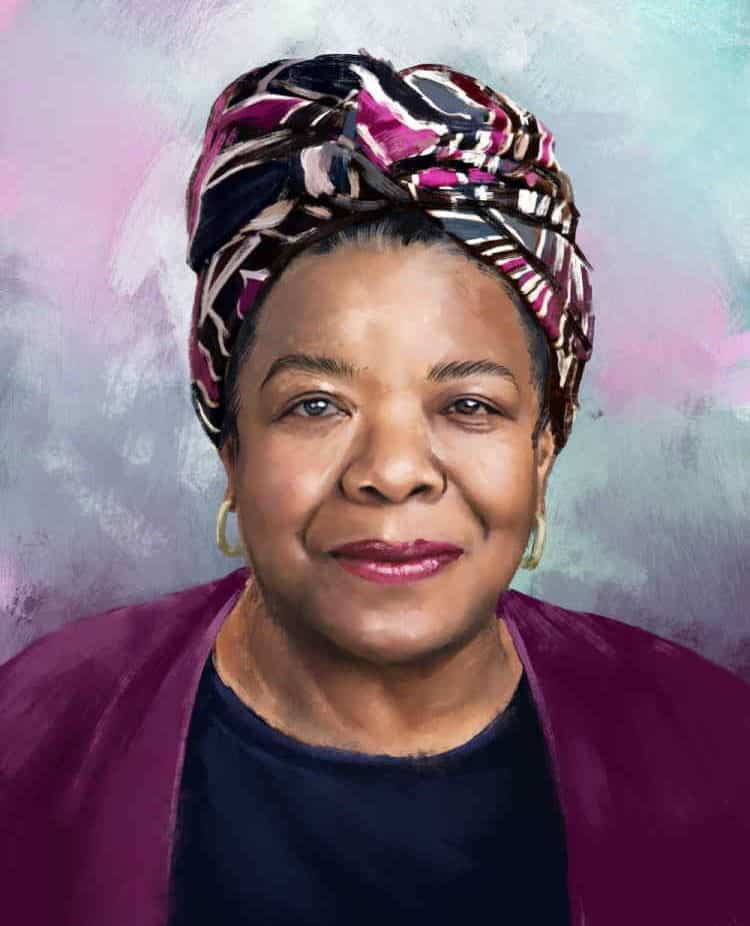
  • Always try to remain hopeful even if the present appears bleak. Sometimes I remember the words of Maya Angelou (1928-2014) the American author, screenwriter, poet and civil rights activist. She said, “I can be changed by what happens to me. But I refuse to be reduced by it.” Challenges like cancer happen in life, and there is no denying the fact that a cancer diagnosis can radically alter our path or change the life we might have lived. But no matter our circumstances as cancer survivors, we can refuse to be reduced, or made less, by them.
Photo by Andrea Piacquadio
  • Establish your own priorities and don’t let other people set your agenda. For me one of the worst things about having cancer is the unsolicited advice I receive from family, friends, and sometimes even strangers. I’ve certainly felt high levels of frustration as people try to inform me how to live my life or deal with my disease. Like most cancer patients I was particularly vulnerable to the influence of these pundits in the months following my diagnosis. After a decade of being offered personal as well as medical advice, caution and scepticism have become almost second nature to me. I inherently ask myself where is this information or recommendation coming from? Precisely who is telling me this, is the source an acknowledged expert in their field? Is what they are saying accurate, or could what they’re communicating contain a self-serving bias?
  • Know who you want in your life and don’t be afraid to establish personal boundaries. Many psychologists argue that the most important choice you’ll ever make in life is the people you surround yourself with. Since my cancer diagnosis I’ve basically developed zero tolerance for having toxic people in my life. I’ve also become more sensitive to the characteristics of harmful people and how they mistreat those around them. I now choose to avoid such individuals whenever possible, it’s been said that “You can’t change the people around you, but you can change the people around you.” Meaning, we can’t force others to change, but we can surround ourselves with more supportive relationships.
  • Love yourself and remember that you are worthy. Like many people, I’m often my own worst critic, I sometimes overlook the fact that in order to be respected and loved by others I must first learn to respect and love myself. The next time you believe that you’re a failure or not worthy, consider one important question. If your best friend or loved one was having the same negative thought as you, what would you tell them? Try applying this gentle guidance to yourself. Most of all, acknowledge how strong you are to have made it here. You are important, you are brave, and you are resilient.

Reading Through Cancer

Photo by Ivo Rainha

With a bustling holiday season and another long winter both nearly upon us, I’ve decided to devote this post to the theme of literature and reading. For me books are like wonderful companions that help me through the dark, cold months. In addition, I often enjoy giving them as gifts to some of the people who are closest to me. 

While I’ve always loved reading, I never expected how much this passion would guide me through my cancer journey. In times of crisis books have helped me to feel more connected to other cancer survivors and to other human beings in general. The American literary icon James Baldwin put his feelings this way.

“You think your pain and your heartbreak are unprecedented in the history of the world, but then you read. It was books that taught me that the things that tormented me most were the very things that connected me with all the people who were alive, who had ever been alive.” 

Here are a few of the books (both fiction and nonfiction) that have helped sustain me when I felt the fear, uncertainty or loneliness of living with an ovarian cancer diagnosis.

Full Catastrophe Living by Jon Kabat-Zinn

Originally published in 1990, this book has been through numerous editions, the author explores the role of mindfulness and how its practice can improve the quality of life for people with chronic illnesses. Jon Kabat-Zinn describes in detail the techniques he has used successfully with patients in the Stress Reduction Clinic at the University of Massachusetts Medical Centre. Learning to listen to your own body is vital, above all I came away from this book with an improved awareness of how my body responds to the emotional and psychological stress of having cancer. I’ve also acquired new methods to effectively reduce or manage the negative impact of such everyday stress.

Full Catastrophe Living is over 400 pages and covers a lot of territory, including the basics of both meditation and yoga. I can accept that some readers might be turned off by the length of this volume or by its allusions to certain tenants of Buddhism. Mindfulness mediation is frequently taught and practiced within the context of Buddhism, however it has been argued that its essence is universal. For this reason, it can be learned and practiced by cancer patients without appealing to Asian culture or Buddhist authority to enrich it or authenticate it. Advocates contend that mindfulness stands on its own as a powerful vehicle for self-understanding and healing.

When Breath Becomes Air by Paul Kalanithi 

I highly recommend reading Paul Kalanithi’s bestseller, When Breath Becomes Air, especially if you’re dealing with a cancer diagnosis. At the age of 36, on the verge of completing a decade’s training as a neurosurgeon, Kalanithi was diagnosed with inoperable lung cancer. One day he was a doctor treating the dying, the next he was a patient struggling to live. When Breath Becomes Air is a life-affirming reflection on facing our mortality and on the relationship between doctor and patient. I was often mesmerized by the author’s writing skills, almost a little envious that he could be both a talented physician and such an outstanding creator of non-fiction. There are passages in the book where Kalanithi perfectly captures what it’s like to suddenly be living with cancer.

“In a way though, the certainty of death was easier than this uncertain life. The path forward would seem obvious if only I knew how many months or years I had left. Tell me three months, I’d spend time with family. Tell me one year, I’d have a plan (write the book). Give me 10 years, I’d get back to treating diseases. The pedestrian truth that you live one day at a time didn’t help. What was I supposed to do with that day?”

Paul Kalanithi When Breath Becomes Air

The Emperor of All Maladies by Siddhartha Mukherjee 

After my cancer diagnosis I started to think quite a lot about the history of cancer, I realize that I owe my life to the oncologists and patients that have come before me. I developed an even greater fascination this topic while watching the PBS miniseries Cancer: The Emperor of All Maladies. The creators of this ground-breaking television documentary based their project on a work of non-fiction by renowned oncologist and award-winning journalist Siddhartha Mukherjee. Both the PBS documentary and Mukherjee’s Pulitzer Prize winning volume have one overriding theme. They bring to light that our current generation’s experience with cancer represents only a momentary chapter in an epic battle spanning thousands of years.

Maya Angelou The Complete Collected Poems

Maya Angelou (1928-2014) was an American author, screenwriter, poet and civil rights activist. I’ve always been an avid fan of her literature, now that I’m a cancer survivor I often find strength and inspiration through her words. During my stay on the cancer ward I kept a copy of Angelou’s complete poems by my bedside. My favourites include Still I Rise and Phenomenal Woman, at the lowest point in my life I would read passages whenever I was able to sit up in bed.

You may shoot me with your words,
You may cut me with your eyes,
You may kill me with your hatefulness,
But still, like air, I’ll rise.


Pretty women wonder where my secret lies.
I’m not cute or built to suit a fashion model’s size   
But when I start to tell them,
They think I’m telling lies.
I say,
It’s in the reach of my arms,
The span of my hips,   
The stride of my step,   
The curl of my lips.   
I’m a woman
Phenomenally.
Phenomenal woman,   
That’s me.

Give Us Some Respect

As a cancer survivor, I sense that lately I’m not always getting the respect that I deserve. The healthy and able-bodied appear to be increasingly apathetic, indifferent or self-centered concerning the needs of those of us with cancer. It’s a serious lack of respect that many in society are regarding us with, they treat us as if we are of little worth or disposable. This disrespect has come to a head in the past year or two, some experts even argue that our civil society has begun to deteriorate under the strain of the pandemic. It’s become every person for themselves or a Darwinian attitude that favours survival of the fittest. Here are a few fundamental ways that you should support cancer patients, as well as those with other chronic illnesses and disabilities.

Appreciate that we are at higher risk from COVID-19.

The pandemic is over or “we have to learn to live it” are becoming the new mantras as society becomes increasingly weary of the international health crisis. What’s fascinating to me about those who ask “how long do you plan to wear a mask indoors?” is that it hasn’t occurred to them that most of us who have survived cancer are comfortable not knowing the answer to that question. I’m used to living with unpredictability and not knowing what the future might bring. I can cope with the uncertainty of not knowing when this pandemic will actually end.

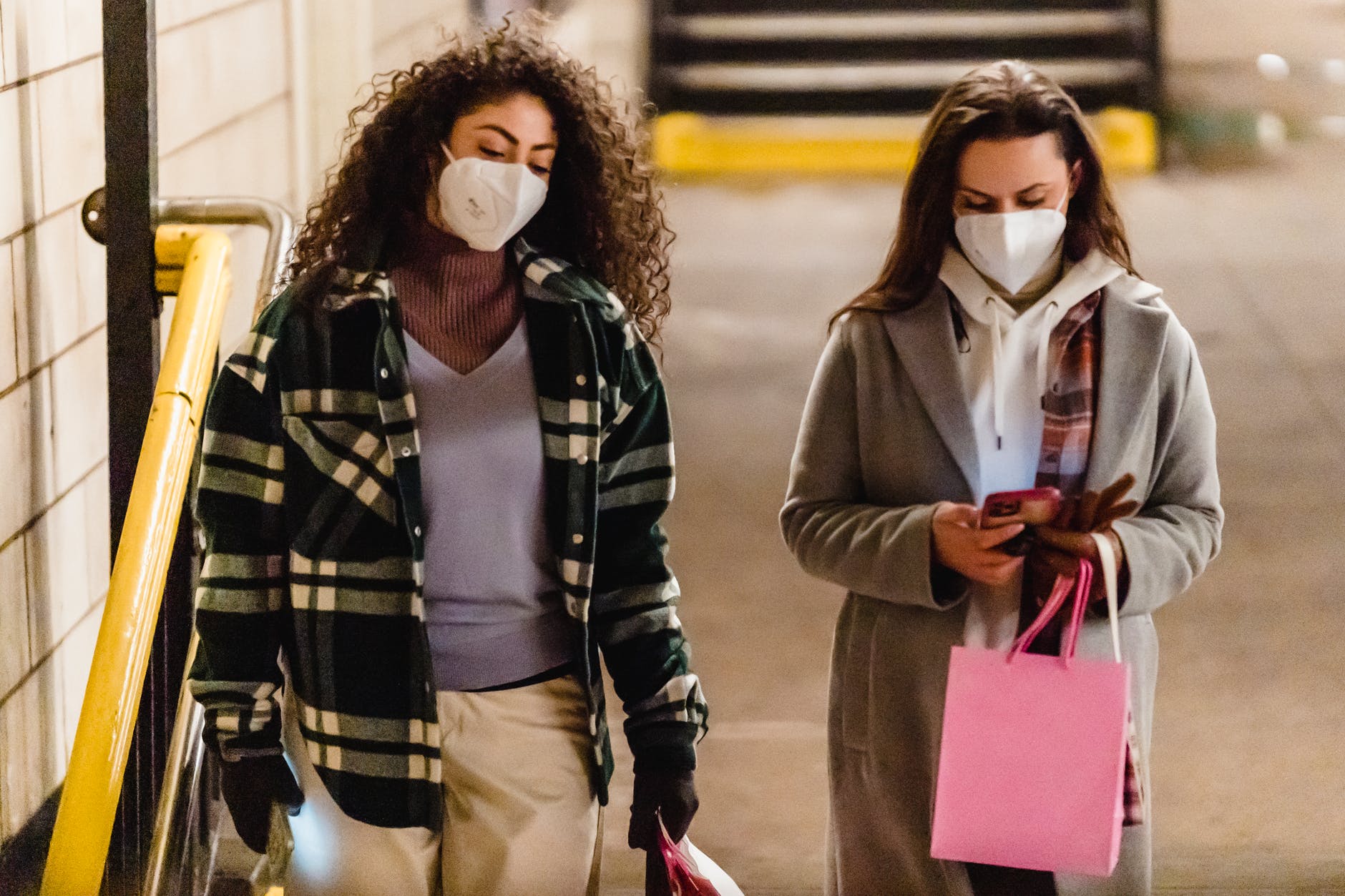
Not wearing a mask indoors right now is the perfect analogy for ableism, it tells me you believe you are invincible and take your health for granted. Your choice not to mask is a red flag that you don’t think about anyone beyond yourself. You can’t imagine that you’ll ever become disabled, or dependent on others. When you don’t wear a mask, and you look over and observe me masked, it reveals a great deal about you. It informs me that you are short-sighted and you think that if you survive COVID you’re fine. You don’t stop to consider possible long-term outcomes, such as organ damage, that might occur months or years later. 

Regrettably, I perceive your strong independence, and it’s the toxic kind. I can hear you making bold statements like “it’s not my fault if other people get sick” (maybe in fact it is). I see implications that my right to life and quality of life are not worth protecting. I get an uncomfortable reminder that you’re not in solidarity with me or millions of other cancer patients. 

Place us at the centre of a circle of support.

Being a caregiver or immediate family member when someone has cancer is enormously challenging, but it doesn’t equal the experience of the actual patient who has been diagnosed with a life-threatening disease. A technique has gained attention for dealing with a major life crisis, such as a cancer diagnosis. It’s called the ring theory of kvetching, and was named by the psychologist Susan Silk. When Silk first wrote about the concept in the LA Times in 2013, she drew on her personal experiences as a breast cancer patient. Once when she declined a colleague’s visit, pleading exhaustion, she was told, “This isn’t just about you.” “It’s not?” she wondered. “How is my breast cancer not primarily about me?” 

The main principle of Silk’s ring theory is that support, caring, comfort FLOWS IN. Kvetching, venting, complaining, requests for empathy, all of this only FLOWS OUT. The person or people with the serious illness, trauma, or other enormously challenging life situation — they get to complain outwardly to their first circle of support. The first circle of support, usually spouses, parents or other immediate family members do NOT vent — about the challenges, the loss of sleep, the emotional toll, etc. — to the person at the centre of the trauma.

Don’t come to us with unsolicited advice.

The truth I’ve come to accept is that I didn’t cause my cancer and I don’t have the ability to simply will it away. However, when my ovarian cancer was initially diagnosed, I was more desperate and naïve, more willing to imagine these things were still under my control.  I was hospitalized for over a month and a half at Calgary’s Foothills Medical Centre. When I looked into some of the other patients’ eyes, I could see them begging for a future, and I understood that they would do almost anything for the gift of just a few more months in this world. 

Looking back at the trauma I faced as a new patient, both my desperation and need for reassurance were justifiable. Unfortunately, some of the things that people either said or wrote to me during that time were highly inappropriate. Many of their suggestions worsened, or even exploited, my fear and vulnerability. In particular they reinforced the misconception that I could directly control the course of the insidious disease that had invaded my body. On occasion this might have been due to malevolence, but I still believe the leading cause of people’s poor advice was ignorance.

The Cancer Playlist

For almost my entire adult life, I’ve had a deep and personal relationship with sound because I know how precious it is. Since my late twenties, I’ve been deaf in my right ear, the doctors think my sudden hearing loss was probably a rare side effect from an inner ear infection. Long before my cancer diagnosis I would miss a lot in casual conversation, so I gradually learned to read body language, lips or other important cues. I would manoeuvre my way through social settings as friends and family took part in choreographed dances to get on my “good” side. Unfortunately, when I became a cancer patient, I learned that many treatments damage the inner ear resulting in some degree of hearing loss. This is a possible complication even for oncology patients who initially have quite good hearing, but for some patients like myself the risks are substantially higher. For us cancer treatment often results in additional damage in one or both ears. Inevitably, chemotherapy drugs combined with surgery and months of hospitalization have rendered my pre-existing auditory condition worse than before.

Although I’m partially deaf, I refuse to let my circumstances prevent me from enjoying the benefits of music. I still listen to music as best I can and this has been especially comforting throughout my cancer journey. Like almost everyone I have an iTunes library, I frequently enjoy listening to the songs using over the ear wireless headphones. My ovarian cancer playlist currently includes the following tracks.

  • Rainy Days and Mondays
    The Carpenters and the Royal Philharmonic Orchestra
  • Handle With Care
    The Travelling Wilburys Vol. 1
  • Stand By Me
    Tracy Chapman – Greatest Hits
  • Imagine
    John Lennon – Imagine
  • River
    Joni Mitchell – Hits
  • Fast Car
    Tracy Chapman – Greatest Hits
  • Both Sides Now
    Joni Mitchell – Hits
  • What a Wonderful World
    Louis Armstrong – The Ultimate Collection 
  • Over the Rainbow / What a Wonderful World
    Israel Kamakawiwo’ole – Facing Future 

Some cancer patients choose to engage in music therapy which is the use of music interventions to accomplish individualized goals. These patients are guided by a credentialed professional who has completed an approved music therapy program. Formal music therapy was defined and first used by the United States War Department in 1945. It helped military service members recovering in Army hospitals. The therapy may include listening, singing, playing instruments, or composing music. However, musical skills or talents are not required to participate, nor is perfect hearing.

Today music therapy interventions are used in a variety of healthcare and educational settings. Studies have shown that such therapies may help patients in many ways, including psychologically, emotionally, physically, spiritually, cognitively and socially. A short list of the potential benefits includes:

  • Lowering blood pressure.
  • Improving memory. 
  • Enhanced communication and social skills. 
  • Self-reflection. Observing your thoughts and emotions. 
  • Reducing muscle tension. 
  • Self-regulation. Developing skills to manage your thoughts and emotions. 
  • Increasing motivation. 
  • Managing pain. 
  • Increasing joy. 

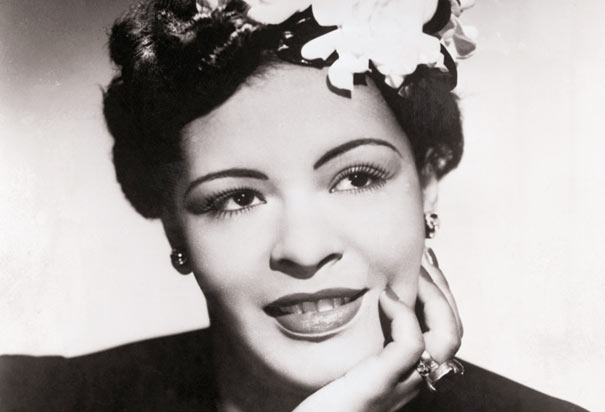
I recognized many years ago that music helps me to deal with certain emotions that I’m feeling, this became even more apparent to me after I was diagnosed with cancer and experienced some of its devastating social and emotional impacts. For example, God Bless the Child by the legendary Billie Holiday is one of my favorite songs, but lately both the powerful lyrics and her exquisite delivery keep going through my mind. I like that God Bless the Child extols self-reliance while it condemns those who ignore us, repudiate us or treat us as inferior when we are unable to be self-sufficient. 

In her autobiography Lady Sings the Blues Holiday indicated an argument with her mother over money led to the song. Apparently during the argument, she said the line “God bless the child that’s got his own.” Anger over the incident led the renowned vocalist to turn that into a starting point for a song, which she worked out in conjunction with Arthur Herzog. In his 1990 book Jazz Singing, Will Friedwald describes the composition as “sacred and profane” as it references the Bible while indicating that religion seems to have little or no effect in making people treat each other better. Sadly, Billie Holiday was only 44 when she died—she had fought a long, terrible battle with alcohol and drug addiction.

What I Know About Cancer Survivorship

It’s been over ten years since my cancer diagnosis and there are still times when I ask myself soul searching questions about this disease, especially its impact on society and on individuals. A lot of what I’ve written about in this blog involves the terms that we use when we talk about cancer, take survivor and survivorship for example. Although these expressions seem to be embedded in the cancer lexicon, there is still confusion regarding their meaning. I personally believe the terms survivor and survivorship encompass the following truths:

1. You are always a cancer survivor.

“Cancer survivorship begins at diagnosis and covers the physical, psychosocial, and economic issues of cancer, from diagnosis until the end of life.” 

As a woman who has fought gynaecological cancer, I’ve come to accept this commonly held view of cancer survivorship. First I accept the all-encompassing notion that’s presented in this definition because cancer does impact every single aspect of a person’s life. In retrospect, I also believe that my survivorship began that moment in my gynecologist’s office when he told me the devastating details of my pathology report. Simply being diagnosed with cancer made me a survivor, from this perspective I didn’t have to wait until after I had completed a full year of treatment or until I was officially in remission. Before the surgeons at the Tom Baker Cancer Centre cut into my body, and before the first drop of chemotherapy solution ran ominously into my veins, I was already a survivor in the eyes of the cancer community. I appreciate now that I’ll always be part of this incredible, strong and resilient group.

2. No one is less worthy of being called a cancer survivor.

The commonly accepted definition of “survivor” within the cancer community is simply a person diagnosed with cancer. So once the terrifying sentence, “I’m so sorry, the biopsy shows that you have cancer,” leaves your doctor’s lips and pierces your soul, you officially begin life as a cancer survivor. I remember my first chemotherapy treatment and how insecure I was, part of me felt like I was less of a “survivor” than some of the other cancer patients who had been fighting the disease for years. I can laugh at the situation now, but I was rather worried that some of the veteran chemotherapy patients might be able to tell that I was a newbie. They would ascertain that I looked too healthy and had all of my hair! When I arrived for my first session, I noticed that the people around me seemed to have many types and stages of cancer—what is more, a good number of them in the waiting room exhibited full heads of hair.

3. Cancer survivorship means confronting loss.

Emotions such as fear, hopelessness and grief infiltrate the lives of cancer survivors. Most psychologists maintain that grief is a person’s normal, healthy response to a loss. Understandably, I grieved after my father died, he was only 63. But I was rather surprised to find myself experiencing similar feelings when I was diagnosed with ovarian cancer. As I came to terms with the devastating diagnosis, I learned firsthand that the loss that triggers grief isn’t always physical. You can experience sorrow if you or a loved one are diagnosed with a major disease or face a serious illness. It’s common to grieve the future plans you had made, or the ways life will change. Remember there is no “right” way to grieve, every cancer survivor is different. Give yourself time to experience your loss in your own way. Also understand that as a cancer survivor it’s important to make a commitment to yourself. You should make it a priority to take care of yourself emotionally, spiritually and physically.

4. Cancer survivorship is life-altering.

It’s been proven that when we are diagnosed with cancer our attention often turns away from the small and trivial distractions that surround us. Taking life for granted has become our culturally-induced default mode — we are trained to overlook the essential. As a cancer survivor I’ve ultimately been freed from this monotonous, addictive cycle. For example, I’m grateful for the oncologists who oversaw my case, especially my surgeon. I remain in awe of the fact that they literally saved my life, I also remember the nurses who were with me 24/7 in the hospital. I established a bond with several of them when life-threatening complications forced me to spend seven consecutive weeks on the cancer unit. Weeks in cancer time pass by like years, almost decades, but the magnificent oncology nursing team that I had somehow helped me pull through the agonizing eternity I found myself living .

I have a profounder awareness, one that allows me to truly appreciate the arrival of spring after a long hard winter. The sense of renewal or rebirth that is associated with spring has been heightened for me in so many ways. I appreciate the small wonders like a pair of finches building a nest in our yard and the poppies that bloom in the garden each June. Each day that I’m cancer-free is like a gift. It’s a miracle each morning when I wake up and become conscious that my disease is in remission and that I’m lying in my own bed. Sometimes I give a huge sigh of relief when I discover that I’m not in the hospital and there is no need to drive to the cancer centre for chemotherapy or a checkup.