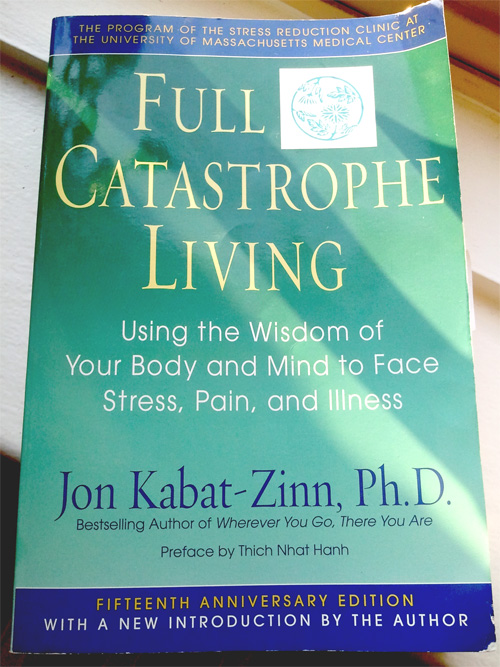
Why You Should Read When Breath Becomes Air

I highly recommend reading Paul Kalanithi’s bestseller, When Breath Becomes Air, especially if you’re dealing with a cancer diagnosis. At the age of 36, on the verge of completing a decade’s training as a neurosurgeon, Kalanithi was diagnosed with inoperable lung cancer. One day he was a doctor treating the dying, the next he was a patient struggling to live. When Breath Becomes Air is a life-affirming reflection on facing our mortality and on the relationship between doctor and patient. I was often mesmerized by the author’s writing skills, almost a little envious that he could be both a talented physician and such an outstanding creator of non-fiction. There are passages in the book where Kalanithi perfectly captures what it’s like to suddenly be living with cancer.

“Severe illness wasn’t life-altering, it was life-shattering. It felt less like an epiphany—a piercing burst of light, illuminating What Really Matters—and more like someone had just firebombed the path forward.”
Breath-1

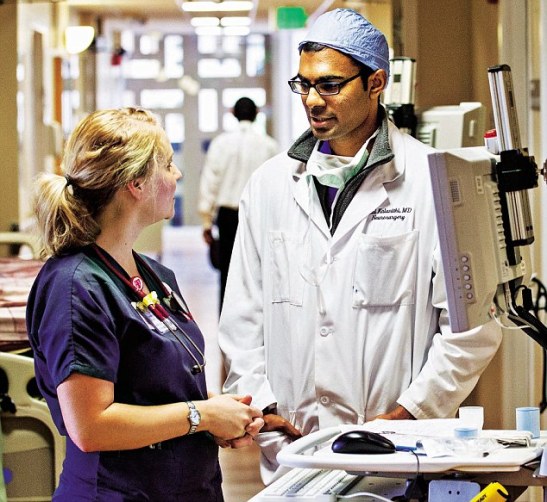
Jocelyn P. Newark, R.N. talks with Dr. Paul Kalanithi at the Stanford Hospital and Clinics in February 2014.

I was struck by the passages in which Kalanithi expresses his desire to make the most of what time he has left. One frustrating irony for many of us with cancer is that the physical limitations of the disease don’t allow us to engage in fast paced or frenzied activity.

“Time for me is now double-edged: every day brings me further from the low of my last relapse but closer to the next recurrence—and, eventually, death. Perhaps later than I think, but certainly sooner than I desire. There are, I imagine, two responses to that realization. The most obvious might be an impulse to frantic activity: to “live life to its fullest,” to travel, to dine, to achieve a host of neglected ambitions. Part of the cruelty of cancer, though, is not only that it limits your time; it also limits your energy, vastly reducing the amount you can squeeze into a day. It is a tired hare who now races. And even if I had the energy, I prefer a more tortoiselike approach. I plod, I ponder. Some days, I simply persist.”

As a neurosurgeon, the author is able to examine the doctor-patient relationship from both sides. His illness also helps him to assess his values, including some of the ultimate objectives of medicine and those who practice it. A dying Kalanithi writes eloquently about his profession and why he chose to dedicate himself to such a demanding field.

“The physician’s duty is not to stave off death or return patients to their old lives, but to take into our arms a patient and family whose lives have disintegrated and work until they can stand back up and face, and make sense of, their own existence.”

“Our patients’ lives and identities may be in our hands, yet death always wins. Even if you are perfect, the world isn’t. The secret is to know that the deck is stacked, that you will lose, that your hands or judgment will slip, and yet still struggle to win for your patients. You can’t ever reach perfection, but you can believe in an asymptote toward which you are ceaselessly striving.”
kalanithi.interior-ata-photo---suszi-lurie-mcfadden

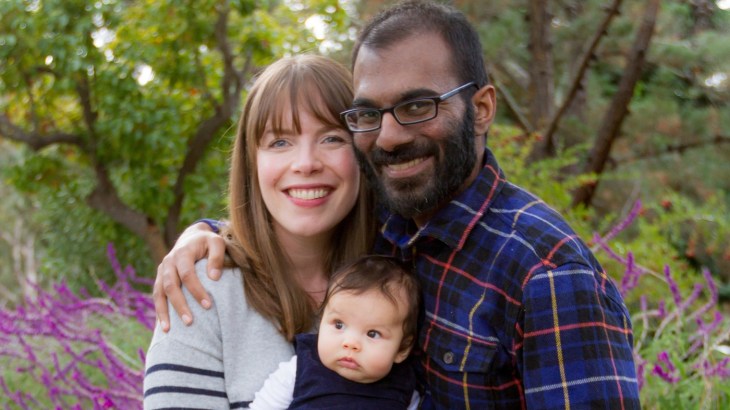
Dr. Lucy Kalanithi and Dr. Paul Kalanithi with their daughter, Elizabeth Acadia.

When Breath Becomes Air is a heartbreaking and ultimately beautiful reflection on the meaning of life as well as our own mortality. What makes life worth living in the face of death? What do you do when the future, no longer a ladder toward your goals in life, flattens out into a perpetual present? These are the issues that many people with cancer are confronted with and that Kalanithi writes about so passionately and eloquently. He writes powerfully of the profound uncertainty that comes with his diagnosis.

“I began to realize that coming in such close contact with my own mortality had changed both nothing and everything. Before my cancer was diagnosed, I knew that someday I would die, but I didn’t know when. After the diagnosis, I knew that someday I would die, but I didn’t know when. But now I knew it acutely. The problem wasn’t really a scientific one. The fact of death is unsettling. Yet there is no other way to live.”

Paul Kalanithi died on March 9, 2015, surrounded by members of his large and devoted family. While mourning her husband, Kalanithi’s wife helped to see his manuscript through to publication. Thanks to When Breath Becomes Air, those of us who never met the young doctor will both lament his death and benefit from his extraordinary life.
Poetic Discourse

Those of you who follow The Teal Diaries are aware that I write prose, however I’ve also been inspired during my cancer treatments to pen a small collection of poetry. Here I’ve chosen to share two of my short poems in honour of National Poetry Month. My compositions Patient’s Lab Results and A Visit to the Emergency Room both explore the life altering power of a cancer diagnosis.

Patient’s Lab Results

The sun is preparing to set on a late autumn afternoon,
its rays hold me together as I fall asleep dreaming of
my immaculate incision. Scarcely a week since my surgery.
I almost laugh to think I was such a novice.
Such a common virgin.

I pass through sliding doors to a point of no return.
Then I enter a vacant waiting room,
a place that is sinister, foreboding.
How many women have waited in these chairs?
How many innocent lives transformed?

“The ultrasound shows a growth on your ovary.”
“You need surgery to remove your uterus and right ovary.”
“You have cancer.”

Ultimately, he arrives, seeming anxious to print the pages.
“Here, this is for you.”
His words turn to ice as he offers me the pathology report.
Warmth as he grasps my hand, lending some reassurance.

My world dissolves as I take ownership of a disease.
The rapidly dividing cells, the cancerous tumors,
the abhorrent malignancy.

“Adenocarcinoma of the endometrium”
“The uterine cavity is completely filled with light tan neoplasm.”
“Right ovary with synchronous endometroid adenocarcinoma”

Immunotherapy one

A Visit to the Emergency Room

Riding unending waves of pain and nausea,
I take a secret pride in my endurance.
The sign over the door says MINOR EMERGENCIES.
Should I draw attention to this irony?

The young nurses seem aloof, peering out from
behind their curtain. I sense that we are to be
endured until morning comes. Around me
are the homeless, the destitute the addicted.

The fluorescent lights have been turned low,
casting a pale greenish tinge across the room.
Beeping monitors and moaning
patients provide the soundtrack.

I wonder if these souls feel entirely unaided,
abandoned, alone amid the chaos.
Each of us is fighting a singular
and solitary battle.

A torrent of frustration, then drowning I panic.
I want to scream that I’m a cancer patient
and my bowels are blocked.
I long for them to have evidence.
When will they be convinced?
I’m a bloated organ about to rupture.

The pre-dawn hours break like a fever
and I emerge from my delirium.
The kind eyes of the doctor and the
contrite look on the nurse’s face.

Finding the Resilience to Face a New Year

This is the sixth New Year that I’ve celebrated since my cancer diagnosis, and each one brings with it a mixture of hope, fear and uncertainty. For many cancer survivors watching everyone plan for the future is difficult, it can produce mixed emotions and make the dawn of a new year extremely challenging.

That’s why I’m not going to use this blog to give a lecture about New Year’s resolutions or to suggest that you make elaborate promises to yourself. I realize that living with cancer often renders such gestures trivial and that your life is probably being planned week-by-week or month-by-month. Instead I’ve chosen to share some of my favourite quotations about resilience.

I hope the meditations that I’ve selected make the beginning of another year a little less daunting for you and provide you with strength and inspiration for your cancer journey. As someone once said, life doesn’t get easier or more forgiving, but we can choose to get stronger and more resilient.

resilience-1


“Resilience is accepting your new reality, even if it’s less good than the one you had before. You can fight it, you can do nothing but scream about what you’ve lost, or you can accept that and try to put together something that’s good.”

— Elizabeth Edwards


You may shoot me with your words,
You may cut me with your eyes,
You may kill me with your hatefulness,
But still, like air, I’ll rise.

— Maya Angelou


“My scars remind me that I did indeed survive my deepest wounds. That in itself is an accomplishment. And they bring to mind something else, too. They remind me that the damage life has inflicted on me has, in many places, left me stronger and more resilient. What hurt me in the past has actually made me better equipped to face the present.”

— Steve Goodier


“You all know that I have been sustained throughout my life by three saving graces—my family, my friends and a faith in the power of resilience and hope. These graces have carried me through difficult times and they have brought more joy to the good times than I ever could have imagined.”

— Elizabeth Edwards


“Those who make us believe that anything’s possible and fire our imagination over the long haul, are often the ones who have survived the bleakest of circumstances. The men and women who have every reason to despair, but don’t, may have the most to teach us, not only about how to hold true to our beliefs, but about how such a life can bring about seemingly impossible social change.”

— Paul Rogat Loeb

Unit 42 Haiku

National Poetry Month, which takes place each April, is a celebration of poetry introduced in 1996. Those of you who follow The Teal Diaries are aware that I don’t normally write poetry, however I’ve been inspired during my cancer treatments to pen a small collection.

There are few experiences in life as distressing or traumatic as being hospitalized for cancer surgery. In December 2011, I underwent surgery and was cared for on Unit 42 at Calgary’s Foothills Hospital. Many of the events that transpired are represented in the poetry that you will read here. In this case I’ve chosen to write haiku—a form that focuses on one brief moment in time, employs colourful imagery, and often provides a sudden moment of illumination.

Blue slippers and gown
An eternity passes
in the pre-op room.

When he cuts me open,
no tumour for my collection,
crave smooth healthy organs.

Anesthesia mask
A few deep breaths are drawn
on my way to oblivion.

Recovery room
The bright lights overhead.
I’m dropped into darkness.

Conscious, I arrive.
The darkness welcomes me
on a winter night.

The room is spinning.
I long for perfect stillness,
let this voyage end.

van-gogh-starry-night

I have nurse Crystal.
The post-surgery hours pass,
finally the dawn.

They manage my pain.
Senses are dulled with morphine,
the standard dosage.

Compression bandage
covers my fresh incision
my surgeon’s trademark.

First blood transfusion
My outstretched arm is waiting
for type O to come.

My blanket is thin.
Comfort of warm flannel sheets
during the still night.

This building is old,
mid-twentieth century,
these rooms are vintage.

Generations past
have walked slowly down these halls
now I follow them.

19th Century Surgery

I have a roommate,
a Dutch Lutheran woman.
Her prognosis is grave.

New complications,
open wound, fluid leaks out,
doctors seem unsure.

Hard recovery
My progress has been so slow,
a mountain each day.

My carcinoma
hides under a microscope
in some nearby lab.

The truth will ooze out.
Why conceal my pathology,
daze me with a pill?

He stops by my room.
Cancer spread to one lymph node.
The truth is laid bare.

Too much of this place.
Even the walls scream go home
find the strength to heal.

Past empty wheelchairs,
through the lobby Christmas Eve
out hospital doors.

It Takes Lady Balls

As an ovarian cancer patient I’ll admit that I often feel overwhelmed by the dismal survival statistics and apparent futility of fighting such a deadly disease. Approximately 2,800 Canadian women are diagnosed with ovarian cancer each year and five women die from the disease every day. Currently, there are more than 17,000 of us in Canada living with the disease. The relative statistics are similar in the United States where 21,000 women will be diagnosed with ovarian cancer this year, and 14,000 will die from it.

Because the symptoms are usually subtle and there is no reliable screening test, ovarian cancer is frequently misdiagnosed or not discovered until it has reached an advanced stage. This makes treatment difficult, which is a key contributor to its high mortality rate. Ovarian cancer has a five-year survival rate of around 46 per cent, compared to nearly 90 per cent for breast cancer.

Each year at the Ovarian Cancer Canada Walk of Hope I’m proud to join a small but dedicated group of teal shirted survivors. Other participants in this key fundraising event wear white shirts— many in attendance at the walk are the husbands, children or grandchildren of those who have recently passed away. Unfortunately, since so many of us diagnosed with ovarian cancer die quickly after our diagnosis, the support network that typically forms around a cancer patient moves on quickly, creating what some have called a “leaky bucket” of advocates for the disease.

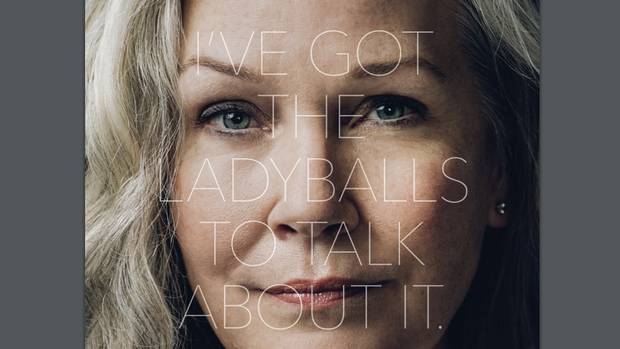
ladyballs

I was delighted this January when Ovarian Cancer Canada launched Ladyballs, their boldest and most successful marketing campaign to date. Their marketing team knew that to be successful they would need to create a slogan that could be heard above the din of other national campaigns. So rather than focusing on sad facts to illicit sympathy, the team at Ovarian Cancer Canada chose to focus on the tremendous strength of survivors and the power we all have to do something about women’s most fatal cancer.

Marketing executive and ovarian cancer survivor, Lauren Richards, spearheaded Ladyballs. Richards is a former Cossette Media and Starcom MediaVest Group executive who has operated her own Toronto media consultancy since 2013. She enlisted Canadian broadcasters, newspapers, magazines and online publishers to donate several million dollars worth of space and time for the campaign.

Those behind the promotion knew from the start that they were up against organizations that have become brands in and of themselves. For example, Movember is a brand for prostate cancer and Run for the Cure is an iconic brand in the fight against breast cancer. Knowing they had such low awareness and little money, it was a daunting task.

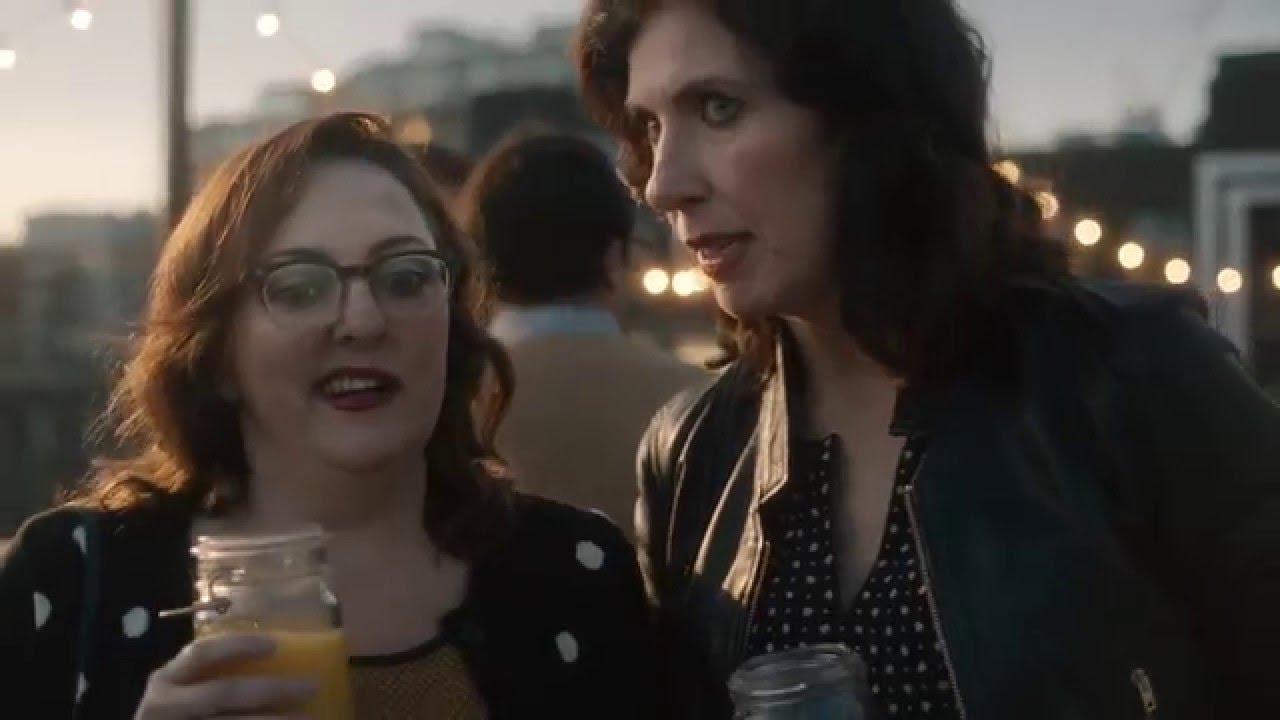
The Ladyballs campaign’s most visible component is a video spot in which women show their so-called “lady balls” by demonstrating chutzpah in the face of pressure or adversity. “Check out the lady balls on her,” one woman says to her co-worker after a female employee disagrees with a male boss’s decision during a meeting. “Look at the lady balls on her,” says a male announcer when another woman goes all-in during a televised poker tournament. In the concluding voiceover an announcer informs viewers that women have balls–their ovaries–and they’re always at risk. Viewers are then directed to donate to the cause at ladyballs.org.

ladyballs2

As expected, the campaign has been highly controversial. Some critics say the ad insults women by comparing a uniquely female body part–the ovaries–to men’s testicles. They say that women don’t have to stoop to that level to promote an informed discussion. However, I personally disagree with this view. I hold the same opinion as Matt Miggins, a nursing student at St. Clair College in Windsor.

“They are not mad five women a day die from this?  I find it ironic that they are mad about words. People should be mad at the fact this is happening to our mothers, sisters and wives,” said Miggins. He said he thinks people should put things into perspective. “People need to ask themselves, if the word balls saves just one life, is it then worth it?”

According to Ovarian Cancer Canada, the campaign has been instrumental in raising awareness. Ladyballs has been responsible for a significant increase in requests for By Your Side, a resource provided to women diagnosed with the disease. It’s also led to a spike in calls to offices across the country, with callers citing the campaign as their reason for reaching out. One woman who heard a Ladyballs radio commercial immediately pledged $100,000 to the organization, and the campaign has garnered approximately $60 million in earned media impressions since its January debut.

Fresh Hope for a New Year

This is the fifth New Year that I’ve celebrated since my cancer diagnosis, and each one brings with it a mixture of hope, fear and uncertainty. For many cancer survivors watching everyone plan for the future is difficult, it can produce mixed emotions and make the dawn of a new year extremely challenging.

That’s why I’m not going to use this blog to give a lecture about New Year’s resolutions or to suggest that you make elaborate promises to yourself. I realize that living with cancer often renders such gestures trivial and that your life is probably being planned week-by-week or month-by-month. Instead I’ve chosen to share some of my favorite motivational quotations, may these compelling words make the beginning of another year a little less daunting for you and may the theme of infinite hope provide you with strength and inspiration for your cancer journey.


hope-hands


“Remember, hope is a good thing, maybe the best of things, and no good thing ever dies.”

— Stephen King, Rita Hayworth and the Shawshank Redemption


“I took a deep breath and listened to the old brag of my heart; I am, I am, I am.”

— Sylvia Plath, The Bell Jar


“It’s really a wonder that I haven’t dropped all my ideals, because they seem so absurd and impossible to carry out. Yet I keep them, because in spite of everything, I still believe that people are really good at heart. I simply can’t build my hopes on a foundation consisting of confusion, misery and death.”

— Anne Frank, The Diary of a Young Girl


“The best way to not feel hopeless is to get up and do something. Don’t wait for good things to happen to you. If you go out and make some good things happen, you will fill the world with hope, you will fill yourself with hope.”

— Barack Obama


sunrise-hope


Pretty women wonder where my secret lies.
I’m not cute or built to suit a fashion model’s size
But when I start to tell them,
They think I’m telling lies.
I say,
It’s in the reach of my arms
The span of my hips,
The stride of my step,
The curl of my lips.
I’m a woman
Phenomenally.
Phenomenal woman,
That’s me.

— Maya Angelou, Phenomenal Woman


“When you die, it does not mean that you lose to cancer. You beat cancer by how you live, why you live, and in the manner in which you live.”

— Stuart Scott


“I can be changed by what happens to me. But I refuse to be reduced by it.”

— Maya Angelou


“I’m not a dreamer, and I’m not saying this will initiate any kind of definitive answer or cure to cancer, but I believe in miracles. I have to.”

— Terry Fox

Five Ovarian Cancer Myths

One of the most disturbing issues for me as an ovarian cancer survivor is the lack of awareness and misinformation that persists. Only with a thorough and proper understanding can women protect themselves from this devastating, and often fatal illness. I admit that before my personal diagnosis a few years ago my own knowledge concerning ovarian cancer was quite limited. In this post I’ll examine several of the most commonly held falsehoods or misunderstandings about ovarian cancer, but first some basic details.

Ovaries are two small almond-shaped organs located on each side of the uterus that store eggs or germ cells. Ovarian cancer is a disease in which malignant (cancerous) cells are found in one or both ovaries. Thousands of women are living with ovarian cancer in Canada. It’s estimated that this year 2,800 Canadian women will be newly diagnosed with this disease. Ovarian cancer is the fifth most common cancer for women and is the most serious women’s cancer.

clh-tom-baker

Myth 1: Many people believe that there is a screening test for ovarian cancer or the related myth that a Pap test detects ovarian cancer.

Fact: According to research more than half of women think a Pap test will detect ovarian cancer. Actually the cervical smear is designed to detect precancerous changes to the cervix, and it does not detect ovarian cancer. You may be familiar with the CA-125 test, it’s used on women who have ovarian cancer or who are at high risk of developing the disease. Unfortunately according to the majority of experts, the CA-125 test is proven to be ineffective in diagnosing ovarian cancer. This blood test is used mainly as a guideline for oncologists during treatment of ovarian cancer because CA-125 (a sugar-associated protein found in the blood) often goes down if the treatment is working. However, the test is not reliable for diagnosing ovarian cancer. Researchers continue to look for a dependable screening test, but currently there is none.

Myth 2: There is often a false assumption that women who have had multiple sexual partners are at a greater risk of developing ovarian cancer or that the HPV vaccine can help prevent it.

Fact: Some women mistakenly believe that the number of sexual partners they may have had, or the age at which they became sexually active, has some bearing on their chances of developing ovarian cancer. This is incorrect. The spread of the HPV virus, which can lead to cervical cancer, is associated with sexual activity, but is not connected in any way to ovarian cancer. The HPV vaccine will help to reduce the risk of cervical cancer, but not ovarian cancer.

OvarianCancerPain

Myth 3: Many women become convinced that an ovarian cancer diagnosis is always fatal and they won’t survive.

Fact: A diagnosis of ovarian cancer is extremely serious, but it’s not invariably fatal. Combing data collected on thousands of California ovarian cancer patients, UC Davis researchers recently determined that almost one-third survived at least 10 years after diagnosis. The unprecedented findings upend the notion that women diagnosed with cancer of the ovary always face a poor chance of survival. Indeed, while the study confirmed earlier findings about characteristics associated with ovarian cancer survival (younger age, earlier stage and lower grade tumors at diagnosis) it also identified a surprising number of long-term survivors who didn’t meet those criteria.

Myth 4: It’s common to believe that if you don’t have a family history of ovarian cancer you are not at risk of getting the disease.

Fact: Only about 10 to 15 per cent of women diagnosed with ovarian cancer have a family history of this disease. Complex variables and numerous risk factors beyond genetics are usually involved and the exact reason a woman develops ovarian cancer often remains unknown.

Myth 5: Many people think that there are no early symptoms or warning signs of ovarian cancer.

Fact: It’s a widely held belief that ovarian cancer is a “silent killer” with symptoms only presenting in the later stages of the disease, even some doctors consider this to be a medical fact. However, there is now clear evidence that most women who are diagnosed with early stage disease do experience symptoms. The problem is that women often delay seeking advice about their symptoms, and their GPs often don’t immediately think ovarian cancer may be a possibility. A lot of women experience considerable delays in receiving their diagnosis and ovarian cancer is usually detected at stage 3 or 4.

The Single Life

Wedding ringsLife is challenging enough for anyone facing cancer, but studies have revealed that cancer patients who are unmarried sometimes have unique disadvantages. As a single woman I have to agree that my battle with ovarian cancer has been influenced by the fact that I don’t have a life partner. Fortunately, I have family members who have served as caregivers during my chemotherapy treatments and following surgery, but I admit that I envy the majority of women who are married or in a long-term relationship. If they must undergo a cancer journey they can rely on the day-to-day physical, emotional and financial support of their spouse. There were instances in the hospital when I felt a little forsaken as I watched other women receive visits from their husbands and children. I also remember cringing a bit whenever a staff member would assume I was married, often referring to me as Mrs. Chartier rather than using the appropriate Miss. or Ms. before my name.

A 2013 study, in the Journal of Clinical Oncology, confirmed that cancer patients with a supportive spouse tend to fare considerably better than those who are on their own. The protective effect of marriage, as shown in this study, is almost shocking. Researchers from major U.S. cancer centres analyzed the records of 734,889 patients diagnosed with one of the 10 most common and fatal forms of cancer, from 2004-08. (These included lung, colorectal, breast and non-Hodgkin lymphoma.) After controlling for variables like age, sex, race, household income and education, they found that single people were 17 per cent more likely to be diagnosed with metastatic cancer, which had spread to other parts of the body, and were 53 per cent less likely to get the best treatment. Paul Nguyen, the study’s senior author, also revealed that patients who were married tended to live 20 per cent longer than those who were single, divorced, or widowed. The team concluded that the benefits of a happy marriage are comparable to—or better than—chemotherapy.

uterine-cancer2One interpretation of the findings is that if you’re married you’ve got a live-in advocate to pressure you to get to appointments — both screenings for earlier diagnosis and to cancer-fighting therapies after the disease has been diagnosed. It’s suspected that social support from spouses is also what’s driving the striking improvement in survival. Spouses often accompany patients on their visits and make sure they understand the recommendations and complete all their treatments, but there’s more to cancer survival than office visits. There are many additional factors that are influenced by the kinds of social support one has. It’s possible that the social support marriage provides helps stave off depression and stress, both of which have well documented negative effects on health and the immune system. Ultimately, the study results don’t imply that marriage is the only way to reap the rewards of social connections — presumably any tight-knit social network can provide the same kinds of mental and physical health benefits.

While my personal cancer journey continues to be shaped by the fact that I’m single, there are many other variables that influence me physically and psychologically. Most importantly, lacking the support of a spouse doesn’t necessary mean that my prognosis for survival is worse. My advice to other single cancer patients is to tap into your support network — this network likely includes parents, siblings and friends. Support for cancer survivors also consists of non-profit organizations, volunteers and the community at large. For example, if simply getting to treatment is a difficult task for you the Canadian Cancer Society offers help. Their Volunteer Driver Program strives to provide access to safe and reliable transportation for people who are receiving active treatment at approved cancer treatment facilities. This is an invaluable service, especially if you’re also dealing with physical or financial challenges or if the treatment centre is far from home.

Getting Organized: Learning to Manage Your Cancer Journey


IMG_0117When my gynecologist informed me that I had cancer almost three and half years ago the last thing on my mind was trying to manage the absolute chaos that my life had suddenly become. First, I was numb and in shock to learn that I had gynecological cancer at a fairly advanced stage. Once the dust had settled I found myself experiencing intense anger and fear, I was actually astonished to learn that emotions so strong existed. My life seemed to be spinning violently out of control and there appeared to be little I could do to stop this process or to regain a sense of stability. It was tempting to sit back and let things happen to me, and to believe that events were completely beyond my influence.

Despite my anxiety, I immediately realized that successful cancer treatment would require me to be an active participant, I would need to schedule and attend literally dozens of medical appointments. At the same time I would have to deal with the bureaucracy of the health-care system on an almost daily basis. Of course, I knew I could depend on family members to assist me when I was hospitalized or completely exhausted. But by and large I established that it was my cancer, my body and my complex journey to navigate.

Following my diagnosis I was often overwhelmed with the countless tasks that I was required to perform and with the hurried pace at which things were happening, but I’ve gradually devised my own system that enables me to be more organized. Over time I’ve learned to confront the practical life changes associated with cancer treatment, I’m now able to approach them with more efficiency and less hassle.

Keeping a Record of Your Treatment on Paper


IMG_0225

I strongly recommend keeping a personal record of your cancer treatment, including surgeries that are performed and any chemotherapy or radiotherapy that is administered. I have chosen to use a binder and I suggest the following other essential stationery supplies:

1. Page protectors (single page and multipage)
2. A hole punch
3. A stapler

I’ve used a combination of chronological order and straightforward categories to organize my documents. In case you’re wondering what needs to be in your cancer treatment diary, here is some of the key information that I’ve chosen to include in mine:

  • Basic documentation concerning my hospitalizations and surgeries
  • Complete pathology reports
  • A timetable of appointments, the specific drugs that I was given and other essential details regarding my chemotherapy
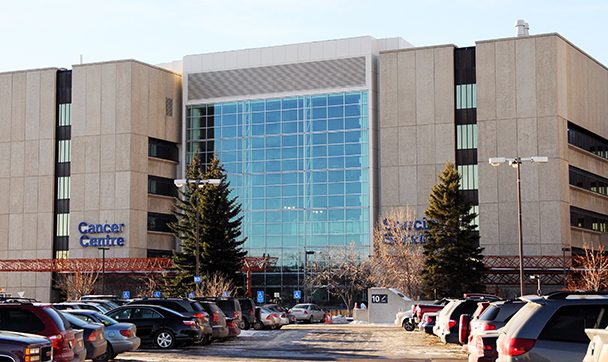
  • Physician progress notes summarizing my appointments at the Tom Baker Cancer Centre outpatient clinic

Using a Computer to Bring Your Journey Together


IMG_0221

Now that personal computers are firmly ingrained in our culture and nearly everyone is computer literate you’ll want to take advantage of this technology to make your cancer journey easier and more organized. As with traditional filing, you’ll require an organized system for letters, personal notes, essays and other word processing files. It’s best to create a classification system that makes sense to you and that allows you to locate files and documents quickly on your computer. Of course the Internet is invaluable for cancer patients wishing to learn more about their disease, but it’s essential to ascertain the difference between reliable or accredited sites and those that contain inaccurate, and sometimes even dangerous, information.

Some cancer patients have the advantage of accessing their official medical records online. Those of us being treated for cancer in Alberta unfortunately do not have access to these types of databases; my hope is that we might in the near future. I was excited to learn that there are plans to start an online portal this year that will give Albertan’s access to their prescriptions. Meanwhile, the intention is to add other medical information to the online system over time. In the interim I have to be content with requesting information from my medical records directly from the Tom Baker Centre and making sure each request is in writing. This can be a time consuming and tedious process, but it’s my judgment that the aggravation is worth it.

Ultimately the completeness or comprehensiveness of your medical information and the ease with which you can obtain medical records will vary depending on where in Canada you are receiving treatment. There is little doubt that receiving your cancer treatment in the United States or in a private health-care system may offer some advantages in terms of obtaining complete documentation. There is considerable bureaucracy and more overall effort involved by patients in the public system that I am a part of in Calgary, Alberta. We have to advocate a great deal for ourselves in terms of getting the information we need, and such pursuits can be difficult for a cancer patient when they are receiving chemotherapy or other active treatment. Personally I admit my medical appointments and diagnostic tests have slowed down substantially now that I’m in remission.

An Essential Reading List for Cancer Patients: My Personal Picks So Far

I’ve been fighting ovarian cancer for more than three years now and my oncologist is still cautiously optimistic regarding my prognosis. I remain in remission from what is statistically the deadliest of women’s cancers. As I’ve indicated previously in this blog many of my priorities have changed since my diagnosis—this transformation is evident in my leisure activities, my hobbies, and even the reading material that I choose. In this post I’ve chosen to review several of the books that have influenced me during my cancer journey and that I would recommend to other cancer patients or their caregivers.

Full Catastrophe Living by Jon Kabat-Zinn

Full Cat CoverOriginally published in 1990, this book has been through numerous editions, the author explores the role of mindfulness and how its practice can improve the quality of life for people with chronic illnesses. Jon Kabat-Zinn describes in detail the techniques he has used successfully with patients in the Stress Reduction Clinic at the University of Massachusetts Medical Centre. Learning to listen to your own body is vital, and I came away from this book with an improved awareness of how my body responds to the emotional and psychological stress of having cancer. I’ve also acquired new methods to effectively reduce or manage the negative impact of such everyday stress.

Full Catastrophe Living is over 400 pages and covers a lot of territory, including the basics of both meditation and yoga. I can accept that some readers might be turned off by the length of this volume or by its allusions to certain tenants of Buddhism. Mindfulness mediation is frequently taught and practiced within the context of Buddhism, however it has been argued that its essence is universal. For this reason, it can be learned and practiced by cancer patients without appealing to Asian culture or Buddhist authority to enrich it or authenticate it. Advocates contend that mindfulness stands on its own as a powerful vehicle for self-understanding and healing.

The Living With Cancer Cookbook by Kris Ghosh & Linda Carson

IMG_0190

I had just started my rounds of chemotherapy when I discovered The Living With Cancer Cookbook by Kris Ghosh and Linda Carson. I’ll never regret my decision to purchase this fantastic volume of recipes specifically aimed at individuals going trough cancer treatment. There’s an abundance of comfort food here and a sense that the authors truly have compassion for those of us who struggle to eat, for example breakfast recipes include cheesy ham and asparagus bake and home-style oatmeal with raisons. I adore pasta, and many of the pasta-based dishes presented in this book are excellent. I can remember that I was able to enjoy the fettuccini with asparagus and mushrooms even while undergoing chemotherapy.

Most of all I love the way this cookbook is organized to deal with the specific symptoms of cancer treatment. The four most common side effects are nausea, mouth sores, diarrhea and constipation. As the authors point out, eating the right foods can help alleviate each of these issues and make them more bearable. This is an almost flawless volume, but I did notice a number of limitations surrounding the supplementary articles that are included with the actual recipes. Specifically, the publishers of The Living With Cancer Cookbook have established a partnership with certain prominent American breast cancer organizations. I could find this alliance slightly annoying at times since much of the bonus information in the book isn’t directly relevant to me as a Canadian or as an ovarian cancer survivor.

The Secret Language of Doctors by Dr. Brian Goldman

Dr. Brian Goldman

Dr. Brian Goldman

I was impressed by both the medical expertise and the Canadian content contained in this bestseller by Dr. Brian Goldman. Goldman is a highly regarded emergency room physician at Toronto’s Mount Sinai Hospital. He is also a well-known medical journalist and the host of the CBC radio program White Coat, Black Art. As an author, Goldman is not one to shy away from controversial or difficult to discuss topics within the field of medicine. “I try to get inside my colleagues’ heads and hearts, and explain to the world why they act the way they do and what it means,” he told the Toronto Star.

I learned a great deal about the medical community through reading The Secret Language of Doctors, and I can certainly understand why this insightful and revealing book quickly became a Globe and Mail bestseller. Like most cancer patients, I found it traumatic and confusing to be suddenly thrust into a mysterious world of hospitals, oncologists and the health care system in general. Goldman’s book has helped to demystify the environment I now find myself in. I believe I’m able to be more empathetic toward doctors and nurses, even though some of the slang that is cited in The Secret Language of Doctor’s is shocking or offensive on some level.

I can accept that in the field of medicine slang and other jargon is frequently used as a buffer, a way to protect doctors and patients alike from harsh realities. In the end, Goldman feels the most important issues are dignity and respect. “You should not do or say anything that would disparage your colleagues or patients,” he says. “But telling people not to use slang just makes it go underground. Listen to the slang and hear what it’s trying to say. The people who use that slang are often frustrated by the system when they just want to give good care.”