
I was diagnosed with ovarian cancer 15 years ago, I’ll never forget how completely devasted and terrified I was. At the time, I knew little about the disease, only that it’s an extremely lethal cancer with a rather grim 5-year survival rate. Like many women diagnosed with ovarian cancer, I knew almost nothing about the “silent killer” and faced a steep, difficult learning curve. Today I’m much more knowledgeable and consider myself particularly fortunate to be alive and currently cancer-free.
What I’m certain of now is that every woman should obtain a basic awareness of ovarian cancer. When it comes to this disease knowledge is power, it can sometimes literally mean the difference between life and death. Here are some important ovarian cancer facts that I believe every woman and all medical professionals should be aware of:
The symptoms of ovarian cancer are often vague and can present like less serious issues.
One of the most common symptoms is bloating or a feeling of fullness. It isn’t the kind of fullness that’s associated with the way you feel after eating a heavy meal. The fullness is there first thing in the morning and isn’t tied to anything you ate or to the amount. At first an enlarging ovarian mass may present as fullness, not pain. However, once pain starts it’s there all the time and doesn’t resolve. Women with ovarian cancer usually visit their doctor with a dull constant ache in the lower belly or pelvis. At first, their complaints may be misattributed to irritable bowel syndrome (IBS), endometriosis, or generalized stress.
In my case, I was experiencing several symptoms that might indicate ovarian cancer—however, I remained largely unaware of how serious my situation was. When I look back now, I wasn’t listening to my own body as much as I should have been, I tried to ignore the whisper until it became a scream. Initially, I didn’t pursue my emerging health issues aggressively or communicate openly with my doctors. I expect it was fear and denial combined with ignorance.

In February 2011 an abdominal ultrasound revealed several abnormalities, including a mass on my right ovary—just as ominous was the fact that some of my symptoms (abdominal pain, lack of appetite, frequent urination) were becoming more severe. I foolishly tried to protest at first, but I ultimately consented to a complete hysterectomy as well as the removal of my right ovary., One week following my surgery I received the results of my surgical pathology report. As I went over the report with my gynecologist, it was the first time in my life that I had words almost spin before my eyes. I skimmed the document and saw the medical terminology—adenocarcinoma of the endometrium, the uterine cavity is completely filled with light tan neoplasm, right ovary with synchronous endometrioid adenocarcinoma
There is no early detection test so know your risk factors.
Even though ovarian cancer is less common than many other cancers, it’s the fifth leading cause of cancer-related deaths among women and the deadliest of all gynecologic cancers, largely because it’s often diagnosed at a later stage. The need for the early detection of ovarian cancer continues to be one of the most important issues in women’s health care, most patients are still diagnosed after the disease has metastasized beyond their reproductive organs. It’s sometimes wrongly assumed that a pap smear can detect ovarian cancer, while the test can detect only cervical cancer.
Sadly, the overall 5-year survival rate for epithelial ovarian cancer remains approximately 30 per cent and hasn’t improved significantly over the last three decades. I was diagnosed with the endometrioid type—it tends to be less common and usually has slightly better prospects for treatment and survival. Advocacy groups, including Ovarian Cancer Canada, stress the dismal failure to improve the prognosis for women with ovarian cancer. They continue to publicize that most of the problem is directly attributable to the lack of an effective screening test for early-stage disease.
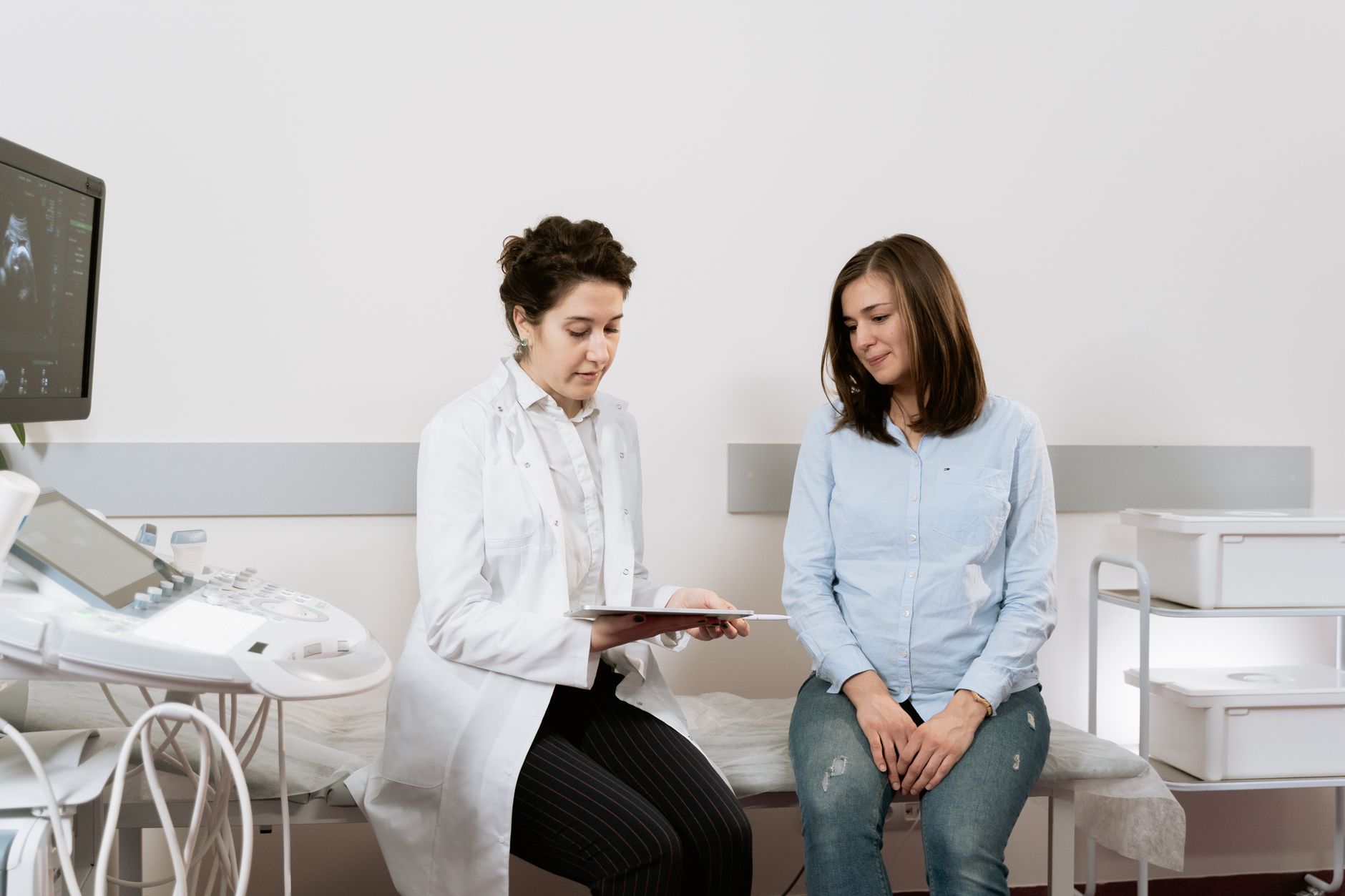
According to the National Cancer Institute, a woman’s lifetime risk of developing ovarian cancer is about 1 in 91 (roughly 1.1%). However, many women are unaware of their personal risk factors—certain dynamics that may give them a significantly greater likelihood of developing the disease. When I was in my thirties and forties, I was ignorant of the potential risk factors for ovarian cancer, But I realize now that I would have been considered medium to high risk.
Established risk factors for ovarian cancer include the following:
- Age is one factor, as we age our odds of being diagnosed with cancer increase. I was 46 when I was diagnosed with ovarian cancer, which is younger than most women. The disease is usually diagnosed between the ages of 50 to 79.
- A family history of certain cancers makes you at higher risk. Everyone has BRCA 1 and BRCA 2 genes that are known as tumour suppressors. Mutation of these genes has been linked to hereditary breast and ovarian cancer. Those who test positive for the mutation are at increased risk. It’s been recognized that BRCA 1 and BRCA 2 mutations are more common among certain ethnic groups. For instance, those of Ashkenazi Jewish descent, French-Canadian descent, or Icelandic/Dutch descent often have an increased risk for ovarian cancer. However, the only way to know for sure is to pursue genetic testing.
- Finally, a woman’s reproductive history and gynecological health are important considerations, this was particularly relevant in my case. Those who have never given birth to a child are at an increased risk for ovarian cancer. Endometrioid ovarian cancer has this specific risk factor and several others. There’s a greater chance of developing cancer if you have polyendocrine metabolic ovarian syndrome (PMOS). I may have had this disorder that can change the normal hormone cycle and ovulation process. I undoubtedly suffered from a separate condition called endometriosis.

