How Cancer Has Given Me a Better Life: Finding Unexpected Positivity

Although it may seem rather unbelievable, my experience with cancer has brought about important and positive transformations in my life. Confronting my diagnosis of ovarian cancer has compelled me to reconsider my priorities and direct my attention towards what is truly important. Through this awful journey, I’ve discovered unexpected sources of hope and gratitude.

First, the stark reality of being a cancer survivor has allowed me to develop a deeper appreciation for every moment. I’ve learned to truly savour the small joys that each day offers, whether it’s a peaceful walk, a good laugh, or a quiet evening at home. I appreciate little things I used to take for granted, a hot shower, sleeping in my own bed and not at the hospital, watching the sun set over the Rocky Mountains on a crisp autumn evening. Cancer is a life-altering experience, something that has increased my gratitude for the important people in my life and taught me to value the present more than ever before.

My journey through cancer has certainly, on occasion, drawn me closer to my family and friends. I honestly treasure the people who have chosen to remain with me through my cancer ordeal. Today I have fewer acquaintances, but deeper connections with a small number of friends and family members. There have been seemingly unbearable moments when their support has been a source of strength. Together, we’ve navigated shared challenges and had some honest, heartfelt conversations. These experiences have strengthened our bonds, helping us to grow closer and understand one another more deeply. 

Moreover, receiving a cancer diagnosis has taught me valuable lessons in resilience and patience. I’ve discovered many inner strengths that I didn’t realize I possessed, and I’ve become more empathetic towards others who are facing difficulties. When you are first diagnosed with cancer there are moments when you feel your world is spinning out of control. The fundamental paradox for me now is that I’m often in situations where I feel a sense of power, combined with courage and self-assurance. It’s as if I’m standing in life’s Category 5 hurricane and remaining steadfast and unbroken. 

I’ve noticed that trivial activities no longer appeal to me, nor do those people who engage in a shallow lifestyle or value such things. My social circle has gotten smaller, as I find I have little in common with those who pursue material wealth over spiritual growth. While I recognize that material wealth isn’t inherently bad, I’ve acquired a distain for consumerism. 

Like many people dealing with cancer I’ve sometimes felt isolated from those not going through a similar experience. Relatives, friends and acquaintances mean well, but they’re unable to fully empathize or to understand certain aspects of what I’m going through. Many cancer survivors will attest to the fact that there are times when they are surrounded by people and still feel very alone. This type of emotional isolation occurs when you discover that you can no longer relate to people in the same way you did before. 

Things that were important to you in the past are no longer important to you, and your friends and family don’t understand why you have changed so much. I’ve noticed that the books I read, the movies or television that I watch and the activities that I like to participate in have all changed a fair amount since my cancer diagnosis, so have the topics that I prefer to discuss. This transformation has affected my personal relationships and how I feel about those closest to me.

Similarly, my journey has inspired me to become more intentional about self-care and mindfulness. I now make it a priority to check in with myself emotionally and physically, setting aside time for reflection, meditation, and activities that nurture my well-being. These practices have allowed me to find peace even during periods of uncertainty and have reinforced the importance of living authentically.

Ultimately, as a cancer survivor the opinions of others no longer matter as much to me. There’s true freedom in no longer trying to impress people with what I own of how I look. I’m more able to be myself, be authentic, I have the strength of character to let others think what they will about my personal choices and lifestyle, I now realize that I’m not in this world to always please those around me. Furthermore, I’m no longer focused on competition, which can often give rise to greed or envy.

Earning My Graduate Degree in Cancer Survivorship

Receiving a major cancer diagnosis can feel like it shatters one’s world, changing everything that once seemed stable or certain. As a cancer survivor, I sometimes mentally divide my life into before and after ovarian cancer struck me 13 years ago. The brutal truth is that none of us escape cancer unscathed, it’s a life-changing and life-altering disease. 

There’s a quiet irony in the phrase “cancer survivor,” as if surviving were a single moment rather than a continual process. The reality is that cancer survivorship starts at diagnosis and encompasses the physical, social, and economic aspects from diagnosis to the end of life. From this perspective my survivorship began that moment in my gynecologist’s office when he told me the devastating details of my pathology report. 

Simply being diagnosed with cancer made me a survivor, I didn’t have to wait until after I had completed a full year of treatment or until I was officially in remission. Before the surgeons cut into my body, and before the first drop of chemotherapy solution ran ominously into my veins, I was already a survivor in the eyes of the cancer community. I appreciate now that I’ll always be part of this incredible, strong and resilient group.

Metaphorically, my journey through survivorship has granted me membership to an exclusive club with a hard-earned diploma. I’ve come to value this credential as strongly as I do my degrees in English literature and journalism. Unlike my academic degrees, this was a curriculum I never signed up for, but one that insisted on my attendance day after day. 

Looking back, the lessons were challenging and rarely straightforward. As I commenced treatment, there were semesters of anxiety, and endless days spent waiting for my test results. I ultimately underwent three surgeries and received chemotherapy, meanwhile there were pop quizzes in patience, and essays written in the currency of tears and sleepless nights. My education wasn’t theoretical but lived, and every stage demanded a new set of strengths I never thought I possessed.

At one point during my cancer treatment, I faced life-threatening complications—a situation that resulted in a hospital stay of over 40 consecutive days. Within those hospital walls, I found myself adapting, learning to anchor hope amid the tempest of uncertainty. The syllabus included chapters on vulnerability, sudden courage, and the unexpected generosity of others.

Unlike my previous diplomas that were earned in university lecture halls, my rigorous studies took place at the cancer centre, in hospital rooms and waiting areas. This time, the faculty included compassionate nurses, gifted oncologists, fellow survivors, and loved ones who refused to let me give up when the coursework became overwhelming. 

I remember fellow patients sharing their stories in waiting rooms, and those people who showed up with gentle words or silent companionship. For me, cancer transformed the ordinary into the profound: peaceful afternoons and cups of coffee became rituals of comfort, a sunrise outside my window became a daily affirmation that I had made it through another night.

There were semesters of loss—especially of certainty, of the illusion that I could control the future. But alongside grief grew an unexpected determination. Small acts—walking the hospital corridor, eating half a meal, managing a smile—became victories worth celebrating. I learned to accept help and to relinquish the stoic armour that once defined me. My education in survivorship was collaborative, communal, and deeply personal.

Along the way, I’ve discovered hidden qualities within myself. I’ve been forced to confront vulnerability, to sit with fear, and eventually to find a kind of peace within unpredictability. These lessons were written not in textbooks, but in the margins of my days and in the faces of those who walked alongside me—even if only for a brief stretch of the journey.

With every surgery and every hurdle, my concept of survivorship expanded beyond the physical, weaving itself into my identity in subtle, indelible ways. Over time, I’ve discovered that surviving cancer is not about returning to who I was before, but about learning to live fully—diploma or not—amid the aftershocks, with newfound courage as my credential.

When the Poppies Bloom

You are the masterpiece, and your life is the canvas. Express yourself boldly, Live and breathe in full colour, and make every mark matter. It’s never too late to imbibe all you create with clear intention and kindness and enjoy the rewards of your courage.

Lisa Azarmi


I believe that nearly all cancer patients arrive at a stage in their difficult journey that’s like reaching the peak of a mountain. When this occurs, we have an epiphany, a feeling of conquering something we though was insurmountable.

For some cancer patients this might mean ringing the bell after chemotherapy or radiation treatment has finished, for others it might be turning the corner after several months of unbearable physical or emotional suffering. I’ll always remember my moment of cancer epiphany, it happened on July 1, 2012.

First, I reached an unparalleled low physically and emotionally during the spring of 2012, I was five months into my cancer journey. My path had been relentless, brutal and unlike anything I’d ever had to face before. When the spring finally materialized after a seemingly endless winter, I’d already had two major abdominal surgeries as well as four chemotherapy infusions. Even through fatigue and nausea, I remember watching a pair of finches build their nest in my yard.

In May I learned I was facing a potentially life-threatening complication due to my rigorous cancer treatments. Bowel blockages occur at an alarming rate for people diagnosed with gynecologic cancers— although when I was an innocent newcomer to the realm of ovarian cancer, I still had little idea how common these obstructions are in patients with the disease. For a long time, I thought my symptoms of severe nausea and abdominal discomfort were due to the chemotherapy drugs alone and that no other medical issues were at play.

Eventually, vomiting and in pain, I was transported to the emergency room through early rush hour traffic. It was a bright May morning when I entered the doors of Calgary’s largest medical centre and was admitted suffering from a bowel blockage. With hindsight, I realize that nothing could have prepared me for the invasive medical procedures that I was about to endure in the coming weeks or for the length of my hospitalization. I acknowledge that at first, I literally wanted to die rather than deal with what was happening. 

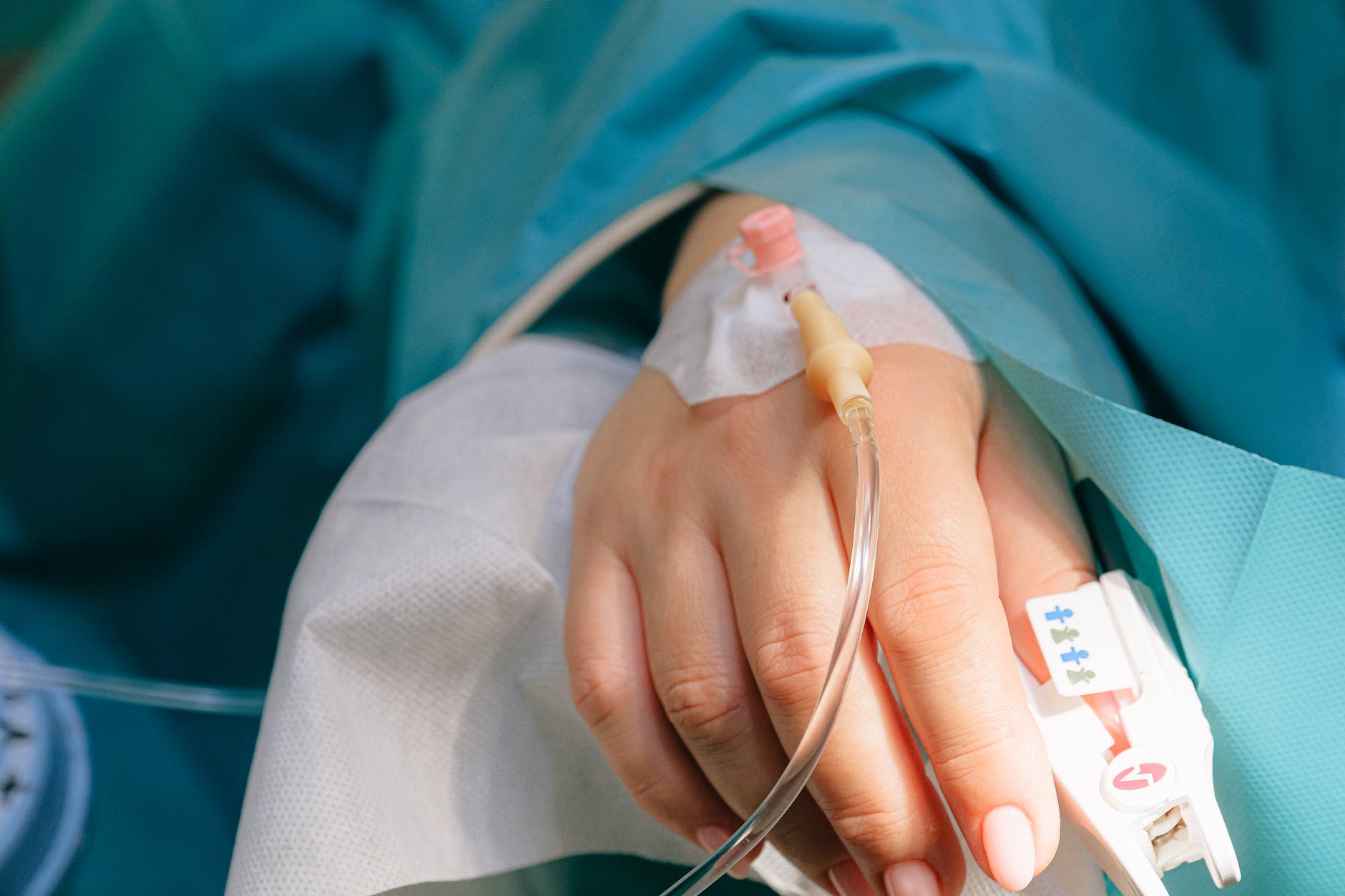
Seven agonizing weeks would elapse in the hospital, during this period I received virtually all my nutrition through a peripherally inserted central catheter (PICC or PIC line). A decision was finally made to operate a third time, and on June 18, 2012, intestinal surgery was skillfully performed. When I awoke in the recovery room, I sensed that my crisis was at last resolved. Although only half-conscious, I was filled with elation as they informed me that the procedure to correct my obstruction had been successful. 

The primary cause had been extensive scar tissue from my previous operations, a couple of bowel resections had to be performed. With this intervention, my stomach was expected to empty normally into to my small intestine again. Most of all, I was comforted and reassured by the fact that, although there had been scarring and adhesion, my cancer had not visibly metastasized to other regions of my body.

My discharge from the hospital ultimately took place on a balmy July afternoon; the clothes I had worn nearly two months earlier felt hot and loose fitting. I was so weak from my ordeal that I struggled to walk just 10 or 20 metres, but I was in awe as I observed how the seasons had changed and nearly everything had been transformed. I can still remember the blissful car ride home and my sense of anticipation during that short, but very emancipating, commute. Even the fresh air filling my lungs was like a breath of freedom.

Upon arriving at the small bungalow where I live, something magical occurred. As my eyes surveyed the backyard, the unexpected sight of poppies in full bloom completely overwhelmed me. It was as if I were seeing them for the first time. Now, each year, I remain inspired by their exquisiteness—even if my cancer returns I’m encouraged by the realization that their brilliant orange petals and intricately designed purple centres will never appear ordinary to me again. 

Now and Then: The Rapid Evolution of Cancer Care

I underwent several major surgeries as well as chemotherapy for my ovarian cancer approximately a decade ago, meanwhile I watch in amazement as I observe many of the new options that are available for patients today. In my opinion the speed at which cancer treatment and patient care have evolved is truly amazing. 

One perfect example is that today many patients who are diagnosed with cancer are assigned a nurse navigator through their cancer centre. When I was going through treatment, I didn’t have access to one because at that time nurse navigators were still extremely rare. I believe that if I’d been matched with a nurse to work with me one on one, it would have made my adjustment to becoming a cancer patient less stressful and a great deal easier.

What exactly is a nurse navigator and how do they assist you when you’re going through one of the most confusing and turbulent periods of your life? Nurse navigators are now commonly employed in oncology to help patients through their cancer diagnosis and individualized care plan. An oncology nurse navigator (ONN) is usually a professional registered nurse with oncology-specific clinical knowledge. Their job is to offer individualized assistance to patients, families, and caregivers. Essentially a navigator is there to help you overcome healthcare system barriers. In essence your navigator is your advocate for care—from initial consultation right through treatment. 

The CBC radio show White Coat Black Art recently covered the topic of nurse navigators. The first cancer navigation program in Canada was created in 2002 in Nova Scotia, followed by Quebec launching a similar program in 2005. Most provinces and territories have since implemented different forms of a cancer navigation program. Programs between provinces differ — from who is covered, to what a navigator helps with. Each health authority has adopted a distinct strategy and customized the program for their region.

Lorie Kielley is a registered nurse who works as a cancer patient navigator with Newfoundland and Labrador Health Services. “Having someone to reach out to, to guide them through what to expect, what supports are available to them and guide them through the whole process, is definitely something that can at least take a little bit of stress out of the experience,” Kielley told White Coat. 

I’m grateful that if I must go through cancer treatment again, I’ll be much more likely to reap the benefits of my own personal nurse navigator. There are other important innovations that I’m aware of at my cancer centre —for one thing, Enhanced Recovery After Surgery (ERAS) frequently makes surgery less difficult for patients. Drawing from best practices and evidence from around the world, this new approach improves patient care related to nutrition, mobility after surgery, fluid management, anesthesia, and pain control. 

When I underwent surgery there were some standard protocols that I found hard to bear and that probably made my body even more weak when I was struggling to recover. First, I was required to fast for 48 hours and prepare my bowel by drinking noxious medications, then I was taken shivering into a cold operating room. This isn’t the case with some gynecologic cancer patients today, some women at my cancer centre are able to participate in ERAS. On the day of their surgery, they’re usually allowed to drink or eat until just a few hours before their procedure and they’re kept warm and comfortable, even after they enter the operating room.

Instead of rigorous fasting and becoming stressed out in the days or weeks leading up to my surgery ERAS would recommend enhanced nutrition and physical activity to make sure that I was in optimum condition for a major surgical procedure. This new method makes patients part of the team by involving them in preparation for their surgery and post-operative recovery. The main objective is to help patients stay strong, improve outcomes, and reduce complications.

ERAS guidelines consist of about 20 different practices before, during and after surgery. They include keeping patients well-nourished, giving them anti-coagulants and pre-operative antibiotics, avoiding cold in the operating room, avoiding the use of long-acting sedatives, using non-opioid pain medications (where alternatives are medically appropriate), using anti-nauseants, and encouraging patients to move as soon as possible after surgery.

Meanwhile, my standard surgical recovery was almost gruelling, I needed to be hospitalized for 10 days before I was finally released. The encouraging news is that at my cancer centre there are now some patients who would normally spend about 10 days recovering from surgery going home in only five days because of ERAS. “Everything just went so smoothly, there was no reason for me to hang around,” one patient recalls. “I felt great — the nausea was well-controlled, the pain was well-controlled, and I was up and walking. It was incredible — you don’t want to stay in hospital any longer than you need to.”

Despite recent progress, I still try to be realistic about how far treatment for ovarian cancer has come, I know there’s still an extremely long way to go in the war against this insidious disease. Ovarian cancer patients are having better outcomes because they have more treatment options, but the cancer still frustrates doctors and their patients because it often remains undetected until it has spread. Oncologists admit that they are facing enormous challenges. While surgical advances and new treatment approvals have improved the outlook for ovarian cancer patients, late diagnosis and tumour resistance remain as the two most significant barriers in overcoming the disease.

The Unexpected Tranquility of Ovarian Cancer

When I was younger and healthier, I remember how much I was always in a hurry. I often filled my days with endless commitments, I would typically rush through my day with goals to achieve or promises to keep. Living with cancer has forced me to slow down, it’s taught me to appreciate the quiet, peaceful moments and the simple everyday routines that enrich my life.

Canadian singer-songwriter and author, Jann Arden, recently wrote about why she has chosen to slow down and take her life more unhurriedly. She once kept up a frenzied pace of tour dates and other music industry obligations. While Arden isn’t a cancer survivor, coping with middle age and then the death or her mother after a long battle with Alzheimer’s disease have had a significant impact.

“I never leap out of bed and shoot into the day like an arrow. I used to. I used to slam down an alarm and race into the day like I had to put out a fire, and the only thing on fire was me—and not in a good way. The race can make us sick. The race can make us lose sight of what’s important and valuable and worthwhile and sacred,” Arden wrote.

She maintains that one of the best things she ever did for herself was to reassess her frenzied lifestyle. “Believe it or not, I became much more productive. My work has become deeper and more fulfilling in every way. Don’t worry what anybody thinks if you don’t want to do something or can’t do something. We will all be dead in fifty years and honestly, it just doesn’t matter. Take time for yourself and you’ll be much more apt to take time for other people. People you enjoy. People you learn from. People that fill you up and cheer you on.”

I’m in agreement with Jann Arden that adventure in life can sometimes be quiet and slow. One’s personal journey doesn’t always have to be climbing mountains or jumping out of planes; some days adventure can be a deep conversation and a car ride out to the country. If you race blindly through life, you’ll miss the most important and pleasurable things.

It’s understandable that certain people would consider my life as a middle-aged cancer survivor extremely boring, but I’ve learned to embrace even the boring parts. Now that I’ve spent over a decade in remission, I don’t want to relive the “excitement” of surgery, chemotherapy, and regular appointments at the cancer centre. The poem Being Boring by Wendy Cope perfectly captures my complex array of emotions now that my life and cancer are stable.

Being Boring

‘May you live in interesting times.’ –Chinese curse

If you ask me ‘What’s new?’, I have nothing to say
Except that the garden is growing.
I had a slight cold but it’s better today.
I’m content with the way things are going.
Yes, he is the same as he usually is,
Still eating and sleeping and snoring.
I get on with my work. He gets on with his.
I know this is all very boring.

There was drama enough in my turbulent past:
Tears and passion–I’ve used up a tankful.
No news is good news, and long may it last.
If nothing much happens, I’m thankful.
A happier cabbage you never did see,
My vegetable spirits are soaring.
If you’re after excitement, steer well clear of me.
I want to go on being boring.

I don’t go to parties. Well, what are they for,
If you don’t need to find a new lover?
You drink and you listen and drink a bit more
And you take the next day to recover.
Someone to stay home with was all my desire
And, now that I’ve found a safe mooring,
I’ve just one ambition in life: I aspire
To go on and on being boring.

I can relate when Cope describes how she is content with a “boring” life and expresses that she dislikes anything which is out of the ordinary. I feel connected in the sense that this is essentially an autobiographical poem, indicating that the author is satisfied with an uncomplicated, peaceful life as opposed to one that is always beset with drama and turbulence.

I Asked My Body What She Needed

In my introductory blog post, published more than ten years ago, I familiarized readers with the concept of “embracing the new pretty” in the wake of my uterine and ovarian cancer. Basically, this involved trying to come to terms with the physical changes to my body due to cancer treatments, an issue that almost all women who have had a major cancer diagnosis experience. For many survivors the changes can be profound and emotionally devastating. In the event of uterine or ovarian cancer, transformations to a woman’s body will typically include a permanently and severely scarred abdomen as well as the removal of her internal reproductive organs. Meanwhile, breast cancer patients face mastectomies, biopsies or lumpectomies. To me embracing the new pretty involves accepting these physical changes and also questioning our culture’s popular notions about femininity and beauty. 

Of course, there’s also the toll that cancer normally takes on a patient’s energy and endurance. From my muscle strength to my ability to endure exercise, I noticed a significant decline in what my body could accomplish immediately after treatment. It certainly didn’t help that near the end of my treatment in 2012 I was hospitalized for seven weeks while my doctors tended to a dangerous, and extremely painful, bowel obstruction. Nothing had prepared me for the length of my hospitalization, and I seriously don’t think my medical team planned for me to have such an extended stay in an acute care bed on the cancer unit. I’ll always remember my sense of wonder and the unrestrained joy that I felt when I was finally discharged from the hospital. 

Unfortunately for the first time in my life, I learned what it’s like not to be able to walk medium or long distances. It took nearly all the strength I could muster just to stand or walk very short distances, and climbing stairs was out of the question for me. To my dismay, I discovered that the muscles in my legs had atrophied during the endless weeks that I was confined to a hospital bed. On the day I went home I had an absolutely helpless feeling as I was transported from my hospital unit to my mother’s waiting car in a wheelchair. As we drove, I knew my recovery would be arduous and probably take months.

How could I forgive cancer for wrecking my body? More importantly, how could I learn to love or appreciate my body as it now was? A few years ago, I came across a beautiful poem online. It begins, “today I asked my body what she needed.” Although the poem  isn’t specifically about cancer, it expertly addresses such themes as body image, self-acceptance and self-love. 


Today I asked my body what she needed,
Which is a big deal
Considering my journey of
Not Really Asking That Much.

I thought she might need more water.
Or protein.
Or greens.
Or yoga.
Or supplements.
Or movement.

But as I stood in the shower
Reflecting on her stretch marks,
Her roundness where I would like flatness,
Her softness where I would like firmness,
All those conditioned wishes
That form a bundle of
Never-Quite-Right-Ness,
She whispered very gently:

Could you just love me like this?

Hollie Holden, June 2016


When I first read this work, I was moved to tears by Holden’s use of personification, a literary technique that she skilfully employs throughout the poem. She gently and intimately speaks to her body as if it were a friend or another person. The author’s implication here is unmistakable, give yourself the grace and respect you would bestow on a dear friend, or even a younger version of yourself. Would you be hypercritical of your children? Would you speak out loud to yourself harshly and unforgivingly in the presence of someone else? The principal lesson for me as the reader is that I’m always worthy of love and that I deserve gentleness and compassion — even more fundamental is the notion that love and validation needs to come not just from others, but from myself as well.

Cancer and Other Complications

As ovarian cancer invaded my body, at one point I was given no alternative other than to live without eating solid food for a month. Although this experience was eleven years ago, it will always remain one of the most vivid and horrible memories from my cancer treatment. Looking back, I’m rather proud of myself and the fact that I accomplished what was necessary to survive. In the end, I was capable of enduring something that not many other people have had to face.

How I came to require NPO (the medical abbreviation for nothing by mouth) on my chart for a month is a complicated story, but still a situation that many gynecologic cancer patients will understand. Bowel blockages occur at an alarming rate for people diagnosed with these cancers— although when I was an innocent newcomer to the realm of ovarian cancer, I still had little idea how common these obstructions are in patients with the disease.

Sometimes it’s directly due to a recurrence of the cancer and a new tumour is pressing on the bowel. In other cases, the explanation is severe scarring of the bowel due to surgery or other aggressive treatments; excessive scarring can lead to a life-threatening obstruction. The second scenario is what happened to me and prompted my medical team to take such drastic measures. At first, I was sent home following an emergency room visit, as they were able to stabilize me and my symptoms seemed to subside. However, within a matter of weeks I was hospitalized again and involved in what felt like a terrifying fight for my life. 

I’d never felt abdominal pain so severe or nausea so intense, every minute that passed seemed like an eternity that stretched on forever. I was informed by my doctors that they wished to address my bowel obstruction non-surgically if possible. I was also reassured that they were almost certain the cause of the obstruction was scarring and adhesion and not an advancement of my malignancy. In any case, I was aware that my condition was extremely serious—soon it became necessary for me to receive nutrition intravenously through a PICC line, or what is otherwise known as a peripherally inserted central catheter. 

At first my medical team chose to take a wait and see approach. Unfortunately, despite ongoing treatment there was no resolution to my problem. My bowel remained blocked, so I remained hospitalized and in a great deal of physical distress. First solid foods were removed from my diet, and then even liquids. Inevitably, my mental health and psychological well-being began to deteriorate as I agonized nonstop about my possible future. They finally made a decision to operate after my condition required them to insert an NG tube one evening. I’ll always remember the pain of having the tube inserted and then the humiliation of having the brown liquid contents of my stomach gradually pumped out. 

I was eventually wheeled into an operating room where I underwent yet another major abdominal surgery, this time to correct my bowel obstruction. The procedure went well, from what I understand a couple of bowel resections were necessary to repair the scarring and adhesion that had developed. Upon waking in the recovery room, I was delighted to learn that they didn’t have to perform an ostomy. Still my recuperation was long and difficult and for several months I was on a low fibre diet.

Today I’m fully recovered and have so few problems with eating or digestion that sometimes I find it hard to believe this terrifying nightmare ever happened. Years after my ordeal I’m grateful that my ovarian cancer continues to stay in remission, I’m just as thankful for the fact that I’m now able to consume a normal diet and enjoy the many pleasures of eating. I become frustrated when I look around me and I witness people who don’t realize how important it is to eat properly—I see so many individuals who rush through meals without a second thought or don’t take time to prepare them. “Oh, I’m too busy to cook,” they argue. “With my work schedule and social obligations, who has time to prepare a meal from scratch?”

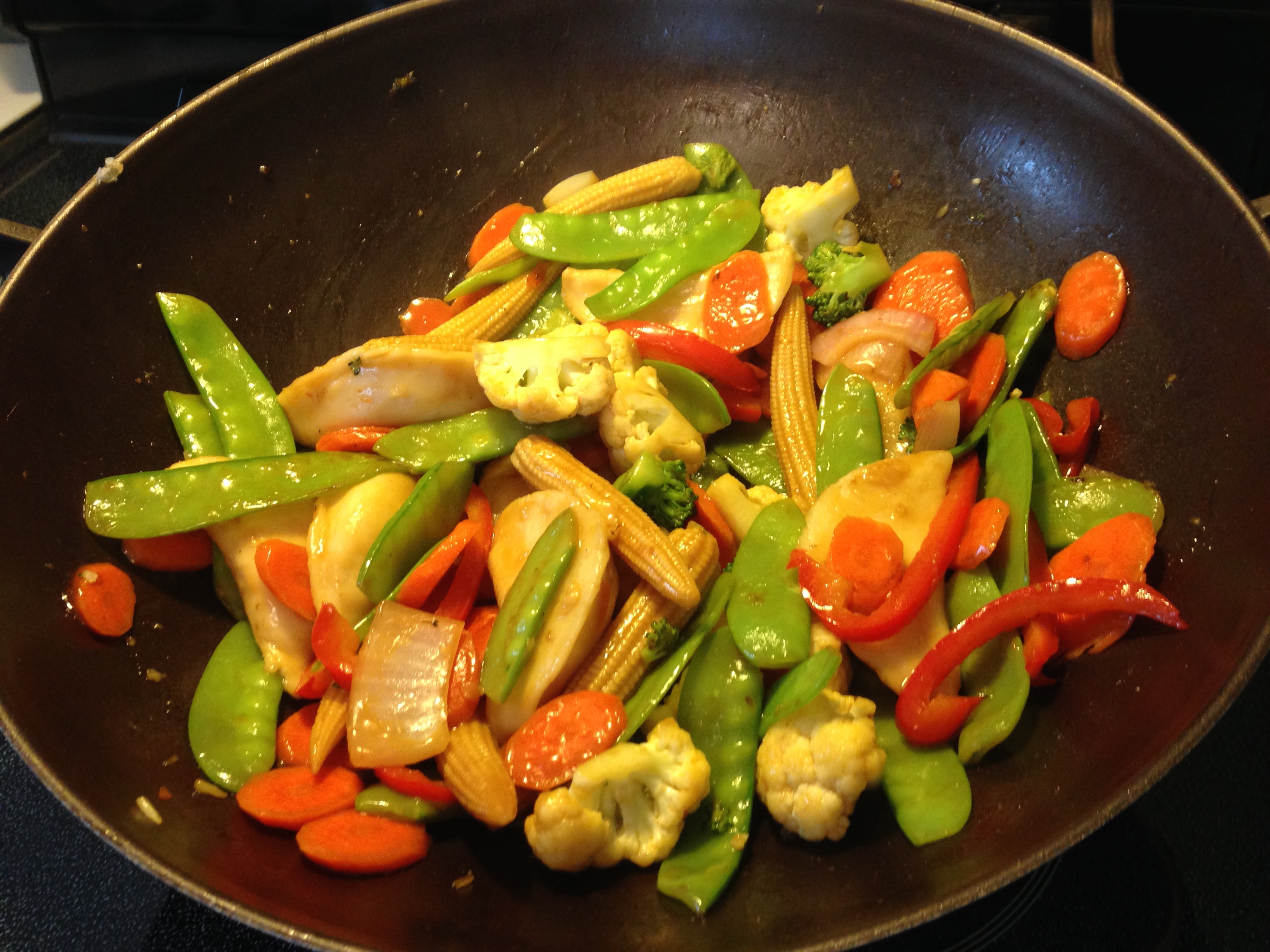
I would argue back that making time should be a priority—self-care and proper nutrition are essential for your long-term health and can’t be pushed aside without eventually facing the consequences. Ultimately you might discover, as I have, that cooking and dining are two of life’s greatest pleasures. Learning to cook can be enjoyable, and the shared experience of savouring a meal with friends or loved ones considerably enhances your quality of life. As for me, I’m determined that even if my cancer returns, I’ll never allow it to destroy me relationship with food.

The Cancer Playlist

For almost my entire adult life, I’ve had a deep and personal relationship with sound because I know how precious it is. Since my late twenties, I’ve been deaf in my right ear, the doctors think my sudden hearing loss was probably a rare side effect from an inner ear infection. Long before my cancer diagnosis I would miss a lot in casual conversation, so I gradually learned to read body language, lips or other important cues. I would manoeuvre my way through social settings as friends and family took part in choreographed dances to get on my “good” side. Unfortunately, when I became a cancer patient, I learned that many treatments damage the inner ear resulting in some degree of hearing loss. This is a possible complication even for oncology patients who initially have quite good hearing, but for some patients like myself the risks are substantially higher. For us cancer treatment often results in additional damage in one or both ears. Inevitably, chemotherapy drugs combined with surgery and months of hospitalization have rendered my pre-existing auditory condition worse than before.

Although I’m partially deaf, I refuse to let my circumstances prevent me from enjoying the benefits of music. I still listen to music as best I can and this has been especially comforting throughout my cancer journey. Like almost everyone I have an iTunes library, I frequently enjoy listening to the songs using over the ear wireless headphones. My ovarian cancer playlist currently includes the following tracks.

  • Rainy Days and Mondays
    The Carpenters and the Royal Philharmonic Orchestra
  • Handle With Care
    The Travelling Wilburys Vol. 1
  • Stand By Me
    Tracy Chapman – Greatest Hits
  • Imagine
    John Lennon – Imagine
  • River
    Joni Mitchell – Hits
  • Fast Car
    Tracy Chapman – Greatest Hits
  • Both Sides Now
    Joni Mitchell – Hits
  • What a Wonderful World
    Louis Armstrong – The Ultimate Collection 
  • Over the Rainbow / What a Wonderful World
    Israel Kamakawiwo’ole – Facing Future 

Some cancer patients choose to engage in music therapy which is the use of music interventions to accomplish individualized goals. These patients are guided by a credentialed professional who has completed an approved music therapy program. Formal music therapy was defined and first used by the United States War Department in 1945. It helped military service members recovering in Army hospitals. The therapy may include listening, singing, playing instruments, or composing music. However, musical skills or talents are not required to participate, nor is perfect hearing.

Today music therapy interventions are used in a variety of healthcare and educational settings. Studies have shown that such therapies may help patients in many ways, including psychologically, emotionally, physically, spiritually, cognitively and socially. A short list of the potential benefits includes:

  • Lowering blood pressure.
  • Improving memory. 
  • Enhanced communication and social skills. 
  • Self-reflection. Observing your thoughts and emotions. 
  • Reducing muscle tension. 
  • Self-regulation. Developing skills to manage your thoughts and emotions. 
  • Increasing motivation. 
  • Managing pain. 
  • Increasing joy. 

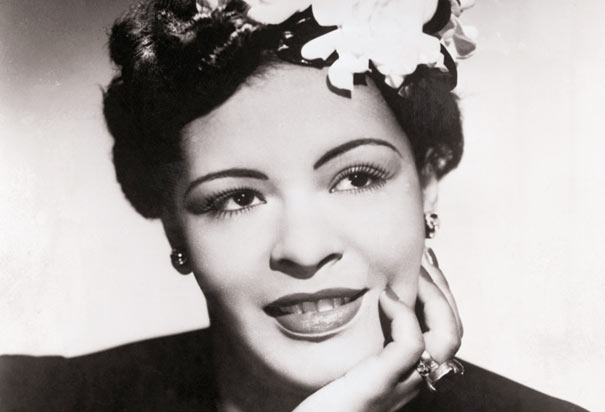
I recognized many years ago that music helps me to deal with certain emotions that I’m feeling, this became even more apparent to me after I was diagnosed with cancer and experienced some of its devastating social and emotional impacts. For example, God Bless the Child by the legendary Billie Holiday is one of my favorite songs, but lately both the powerful lyrics and her exquisite delivery keep going through my mind. I like that God Bless the Child extols self-reliance while it condemns those who ignore us, repudiate us or treat us as inferior when we are unable to be self-sufficient. 

In her autobiography Lady Sings the Blues Holiday indicated an argument with her mother over money led to the song. Apparently during the argument, she said the line “God bless the child that’s got his own.” Anger over the incident led the renowned vocalist to turn that into a starting point for a song, which she worked out in conjunction with Arthur Herzog. In his 1990 book Jazz Singing, Will Friedwald describes the composition as “sacred and profane” as it references the Bible while indicating that religion seems to have little or no effect in making people treat each other better. Sadly, Billie Holiday was only 44 when she died—she had fought a long, terrible battle with alcohol and drug addiction.

You Want Me to Do What?

“Are you someone who enjoys the unsolicited opinions of strangers and acquaintances? If so, I can’t recommend cancer highly enough. You won’t even have the first pathology report in your hands before the advice comes pouring in. Laugh and the world laughs with you; get cancer and the world can’t shut its trap,” wrote Caitlin Flanigan in her recent article for The Atlantic. 

If you’re a cancer patient then you’ll no doubt be able to empathize with the author’s lament on the subject of getting unsolicited advice. I know I’ve certainly felt high levels of frustration as people try to inform me how to live my life or deal with my disease. In some cases, the information we’re presented with is demonstrably inaccurate, scientifically unproven or even dangerous. After a decade of being offered personal as well as medical advice, caution and scepticism have become almost second nature to me. I inherently ask myself where is this information or recommendation coming from? Precisely who is telling me this, is the source an acknowledged expert in their field? Is what they are saying accurate, or could what they’re communicating contain a bias or a particular agenda?

Like most cancer patients I was particularly vulnerable in the months following my diagnosis. When my gynecologist gave me the results of my pathology report and said “it’s cancer,” I felt as if all that I knew and held certain about the world was suddenly obliterated or in doubt. Psychologists have observed that as human beings we tend to uphold something called the just world hypothesis or just world fallacy. We cling to the idea that the world is a fair and orderly place where what happens to people generally is what they deserve. In other words, bad things happen to bad people, and good things happen to good people. However, when an individual is diagnosed with cancer their sense of stability and belief in a just or fair world is often shaken— they can no longer rationalize much of what they thought was true. Some cancer patients become distressed, especially when they recognize that according to the just world hypothesis, they must somehow be responsible for their disease or deserve it. 

The truth I’ve come to accept is that I didn’t cause my cancer and I don’t have the ability to simply will it away. However, when my ovarian cancer was initially diagnosed, I was more desperate and naïve, more willing to imagine these things were still under my control. Looking back at the trauma I faced as a new patient, both my desperation and need for reassurance were justifiable. In 2012 I was hospitalized for over a month and a half at Calgary’s Foothills Medical Centre. The women’s cancer ward is predominately a place of bravery, triumph, heartbreak and tears. When I looked into some of the other patients’ eyes, I could see them begging for a future, and I understood that they would do almost anything for the gift of just a few more months in this world. 

Regrettably, some of the things that people either said or wrote to me during that time were highly inappropriate. Many of their suggestions worsened, or even exploited, my fear and vulnerability. In particular they reinforced the misconception that I could somehow control the course of the insidious disease that had invaded my body. On occasion this might have been due to malevolence, but I still believe the leading cause of people’s poor advice was ignorance.

I was recently reminded of some of the damaging words that were spoken to me by one member’s post in an online cancer support group. I nearly gasped in astonishment as, with a measure of composure, she conveyed the advice that she had just received from her oncologist. 

“He told me I needed to forget I ever had cancer, disassociate with all cancer friends or groups and eliminate thoughts of cancer and stress from my life to prevent recurrence,” she disclosed.

I was angry and astonished that such irrational advice had come from a cancer expert, an oncologist. What type of medical professional actually believes that cancer patients have the power to cause or prevent a recurrence simply by ruminating about their disease coming back or by not dwelling on it? This to the point of scolding patients for acknowledging their illness or the possibility it will someday recur. 

Of course, I don’t deny that a positive attitude and mental practices such as meditation can both play an important role in cancer recovery. Certainly, the mind is powerful and our attitude toward healing is important, but scientific evidence indicates that we cannot wish or ignore cancer away. 

The American Cancer Society and the National Center for Complementary and Integrative Health say there’s no evidence that meditation or support groups have a significant impact on survival rates. They can do all sorts of wonderful things, like reducing stress and allowing you to live in the moment instead of worrying about the next scan. However, there is no evidence that these methods will help you to achieve remission or slow the progression of the disease in your body.

You Lift Me Up!

I’ve chosen to dedicate this Teal Diaries post to two amazing women who recently passed away, their legacies are something that I wish to make known and that I strongly admire. Although I never met them in person, Dr. Nadia Chaudhri and Julie Rohr had an impact on me and on thousands of others within the global cancer community. I will forever remain grateful to them for choosing to share their lives so publicly, for inspiring me, and ultimately for becoming such a positive part of my own journey with ovarian cancer. Nadia and Julie’s lives were tragically cut short, however before they passed on, they taught me so many lessons about what it is for us as human beings to face our mortality. Both women embodied qualities such as humility, resilience and strength of spirit, but above all they revealed to me something fundamental. They both demonstrated through example that we should always endeavor to treat each moment that we’re alive as precious. 

The Legacy of Dr. Nadia Chaudhri

Dr. Nadia Chaudhri was driven and passionate, a gifted academic as well as a wife and the mother of a young son. Just as the pandemic was beginning, she started feeling unwell and visited her doctor. Some of the issues that she reported to her physician were fatigue, lack of appetite, abdominal bloating and frequent urination. Nevertheless, it took Nadia months of personal advocacy and multiple referrals to different specialists to finally determine what had been causing her symptoms. In June 2020, at 43 years old, the Montreal neuroscience professor, was diagnosed with metastatic ovarian cancer. That fall, she went through chemotherapy but was told the following spring the cancer would be terminal. 

Nadia chose to share her life as the disease progressed and posted some of the most poignant moments of her journey on social media. She eventually gained over 150,000 followers on Twitter. While she was in the hospital, Nadia drafted a GoFundMe pitch to help fund travel for young scientists — particularly those who are marginalized or underrepresented in the field — to be able to attend the Research Society on Alcoholism’s annual conference. On the first day, her initiative raised $50,000 US. Soon after Nadia’s GoFundMe launched, Concordia University also set up a fundraiser in her honour. The Nadia Chaudhri Wingspan Award will become an annual scholarship to support neuroscientists from underrepresented backgrounds, including students who may face barriers related to systemic issues like racism, sexism or geographic origin.

Like thousands, I watched in wonder as Nadia accomplished more in her final weeks than most entirely healthy people would normally undertake in a year. From her palliative care bed, the beloved wife, mother, colleague and teacher rose awareness about ovarian cancer, the devastating disease that was gradually killing her. She even continued her fundraising for the Wingspan Award. She posted videos of her daily hallway “shuffle” and invited people to donate. Though Nadia disclosed the harsh realities of living with a terminal diagnosis—such as the angst she faced before telling her young son about it—she also shared pockets of wisdom and joy, including paintings she made, close-ups of flowers and pictures of her and her family.

Myself, I’ll always be grateful for the heightened public awareness Nadia was able to raise concerning ovarian cancer. “I am mad as hell that I was misdiagnosed for so long,” she tweeted this year on World Ovarian Cancer Day, May 8. “And mad as hell that there’s been minimal progress in the treatment of ovarian cancer.”

The Legacy of Julie Rohr

Julie Rohr was a young mother from Edmonton, Canada, she was living with retroperitoneal leiomyosarcoma (LMS), a cancer of the soft muscle tissue. It’s one of those extremely rare cancers — only about one in one million people receive the exact diagnosis Jule did — which means there’s little funding for research or treatments. When they first discovered her cancer medical experts informed her that she would be lucky to live five years. However Jule ultimately lived six years beyond her initial diagnosis, making the most of each moment. As a cancer patient, she endured several major surgeries in addition to many grueling treatments, an ominous list that included radiation, ablation, and chemotherapy.

Julie’s love of live and her constant hope and positivity made her well-known in Alberta and throughout Canada; she was treasured, especially within the cancer community. Even when periodic tests would show that her cancer had spread or returned, she remained a force of nature and still devoted her time to encouraging others facing the disease. Julie’s cancer advocacy and powerful words often made the local or national news, in addition she had thousands of followers on social media.

“Even though I have been through many surgeries, radiation, chemo and all the rest, cancer hasn’t (and can never) take our spirits, can it? We all make the choice, every day, to look for the good in life. To build one another up, even on the hardest days.” 

Julie Rohr was just 38 years old when she died