How Cancer Has Given Me a Better Life: Finding Unexpected Positivity

Although it may seem rather unbelievable, my experience with cancer has brought about important and positive transformations in my life. Confronting my diagnosis of ovarian cancer has compelled me to reconsider my priorities and direct my attention towards what is truly important. Through this awful journey, I’ve discovered unexpected sources of hope and gratitude.

First, the stark reality of being a cancer survivor has allowed me to develop a deeper appreciation for every moment. I’ve learned to truly savour the small joys that each day offers, whether it’s a peaceful walk, a good laugh, or a quiet evening at home. I appreciate little things I used to take for granted, a hot shower, sleeping in my own bed and not at the hospital, watching the sun set over the Rocky Mountains on a crisp autumn evening. Cancer is a life-altering experience, something that has increased my gratitude for the important people in my life and taught me to value the present more than ever before.

My journey through cancer has certainly, on occasion, drawn me closer to my family and friends. I honestly treasure the people who have chosen to remain with me through my cancer ordeal. Today I have fewer acquaintances, but deeper connections with a small number of friends and family members. There have been seemingly unbearable moments when their support has been a source of strength. Together, we’ve navigated shared challenges and had some honest, heartfelt conversations. These experiences have strengthened our bonds, helping us to grow closer and understand one another more deeply. 
Moreover, receiving a cancer diagnosis has taught me valuable lessons in resilience and patience. I’ve discovered many inner strengths that I didn’t realize I possessed, and I’ve become more empathetic towards others who are facing difficulties. When you are first diagnosed with cancer there are moments when you feel your world is spinning out of control. The fundamental paradox for me now is that I’m often in situations where I feel a sense of power, combined with courage and self-assurance. It’s as if I’m standing in life’s Category 5 hurricane and remaining steadfast and unbroken. 

I’ve noticed that trivial activities no longer appeal to me, nor do those people who engage in a shallow lifestyle or value such things. My social circle has gotten smaller, as I find I have little in common with those who pursue material wealth over spiritual growth. While I recognize that material wealth isn’t inherently bad, I’ve acquired a distain for consumerism. 

Like many people dealing with cancer I’ve sometimes felt isolated from those not going through a similar experience. Relatives, friends and acquaintances mean well, but they’re unable to fully empathize or to understand certain aspects of what I’m going through. Many cancer survivors will attest to the fact that there are times when they are surrounded by people and still feel very alone. This type of emotional isolation occurs when you discover that you can no longer relate to people in the same way you did before. 

Things that were important to you in the past are no longer important to you, and your friends and family don’t understand why you have changed so much. I’ve noticed that the books I read, the movies or television that I watch and the activities that I like to participate in have all changed a fair amount since my cancer diagnosis, so have the topics that I prefer to discuss. This transformation has affected my personal relationships and how I feel about those closest to me.

Similarly, my journey has inspired me to become more intentional about self-care and mindfulness. I now make it a priority to check in with myself emotionally and physically, setting aside time for reflection, meditation, and activities that nurture my well-being. These practices have allowed me to find peace even during periods of uncertainty and have reinforced the importance of living authentically.

Ultimately, as a cancer survivor the opinions of others no longer matter as much to me. There’s true freedom in no longer trying to impress people with what I own of how I look. I’m more able to be myself, be authentic, I have the strength of character to let others think what they will about my personal choices and lifestyle, I now realize that I’m not in this world to always please those around me. Furthermore, I’m no longer focused on competition, which can often give rise to greed or envy.


Earning My Graduate Degree in Cancer Survivorship

Receiving a major cancer diagnosis can feel like it shatters one’s world, changing everything that once seemed stable or certain. As a cancer survivor, I sometimes mentally divide my life into before and after ovarian cancer struck me 13 years ago. The brutal truth is that none of us escape cancer unscathed, it’s a life-changing and life-altering disease. 

There’s a quiet irony in the phrase “cancer survivor,” as if surviving were a single moment rather than a continual process. The reality is that cancer survivorship starts at diagnosis and encompasses the physical, social, and economic aspects from diagnosis to the end of life. From this perspective my survivorship began that moment in my gynecologist’s office when he told me the devastating details of my pathology report. 

Simply being diagnosed with cancer made me a survivor, I didn’t have to wait until after I had completed a full year of treatment or until I was officially in remission. Before the surgeons cut into my body, and before the first drop of chemotherapy solution ran ominously into my veins, I was already a survivor in the eyes of the cancer community. I appreciate now that I’ll always be part of this incredible, strong and resilient group.

Metaphorically, my journey through survivorship has granted me membership to an exclusive club with a hard-earned diploma. I’ve come to value this credential as strongly as I do my degrees in English literature and journalism. Unlike my academic degrees, this was a curriculum I never signed up for, but one that insisted on my attendance day after day. 

Looking back, the lessons were challenging and rarely straightforward. As I commenced treatment, there were semesters of anxiety, and endless days spent waiting for my test results. I ultimately underwent three surgeries and received chemotherapy, meanwhile there were pop quizzes in patience, and essays written in the currency of tears and sleepless nights. My education wasn’t theoretical but lived, and every stage demanded a new set of strengths I never thought I possessed.

At one point during my cancer treatment, I faced life-threatening complications—a situation that resulted in a hospital stay of over 40 consecutive days. Within those hospital walls, I found myself adapting, learning to anchor hope amid the tempest of uncertainty. The syllabus included chapters on vulnerability, sudden courage, and the unexpected generosity of others.

Unlike my previous diplomas that were earned in university lecture halls, my rigorous studies took place at the cancer centre, in hospital rooms and waiting areas. This time, the faculty included compassionate nurses, gifted oncologists, fellow survivors, and loved ones who refused to let me give up when the coursework became overwhelming. 

I remember fellow patients sharing their stories in waiting rooms, and those people who showed up with gentle words or silent companionship. For me, cancer transformed the ordinary into the profound: peaceful afternoons and cups of coffee became rituals of comfort, a sunrise outside my window became a daily affirmation that I had made it through another night.

There were semesters of loss—especially of certainty, of the illusion that I could control the future. But alongside grief grew an unexpected determination. Small acts—walking the hospital corridor, eating half a meal, managing a smile—became victories worth celebrating. I learned to accept help and to relinquish the stoic armour that once defined me. My education in survivorship was collaborative, communal, and deeply personal.

Along the way, I’ve discovered hidden qualities within myself. I’ve been forced to confront vulnerability, to sit with fear, and eventually to find a kind of peace within unpredictability. These lessons were written not in textbooks, but in the margins of my days and in the faces of those who walked alongside me—even if only for a brief stretch of the journey.

With every surgery and every hurdle, my concept of survivorship expanded beyond the physical, weaving itself into my identity in subtle, indelible ways. Over time, I’ve discovered that surviving cancer is not about returning to who I was before, but about learning to live fully—diploma or not—amid the aftershocks, with newfound courage as my credential.

What I Know About Cancer Survivorship

It’s been over ten years since my cancer diagnosis and there are still times when I ask myself soul searching questions about this disease, especially its impact on society and on individuals. A lot of what I’ve written about in this blog involves the terms that we use when we talk about cancer, take survivor and survivorship for example. Although these expressions seem to be embedded in the cancer lexicon, there is still confusion regarding their meaning. I personally believe the terms survivor and survivorship encompass the following truths:

1. You are always a cancer survivor.

“Cancer survivorship begins at diagnosis and covers the physical, psychosocial, and economic issues of cancer, from diagnosis until the end of life.” 

As a woman who has fought gynaecological cancer, I’ve come to accept this commonly held view of cancer survivorship. First I accept the all-encompassing notion that’s presented in this definition because cancer does impact every single aspect of a person’s life. In retrospect, I also believe that my survivorship began that moment in my gynecologist’s office when he told me the devastating details of my pathology report. Simply being diagnosed with cancer made me a survivor, from this perspective I didn’t have to wait until after I had completed a full year of treatment or until I was officially in remission. Before the surgeons at the Tom Baker Cancer Centre cut into my body, and before the first drop of chemotherapy solution ran ominously into my veins, I was already a survivor in the eyes of the cancer community. I appreciate now that I’ll always be part of this incredible, strong and resilient group.

2. No one is less worthy of being called a cancer survivor.

The commonly accepted definition of “survivor” within the cancer community is simply a person diagnosed with cancer. So once the terrifying sentence, “I’m so sorry, the biopsy shows that you have cancer,” leaves your doctor’s lips and pierces your soul, you officially begin life as a cancer survivor. I remember my first chemotherapy treatment and how insecure I was, part of me felt like I was less of a “survivor” than some of the other cancer patients who had been fighting the disease for years. I can laugh at the situation now, but I was rather worried that some of the veteran chemotherapy patients might be able to tell that I was a newbie. They would ascertain that I looked too healthy and had all of my hair! When I arrived for my first session, I noticed that the people around me seemed to have many types and stages of cancer—what is more, a good number of them in the waiting room exhibited full heads of hair.

3. Cancer survivorship means confronting loss.

Emotions such as fear, hopelessness and grief infiltrate the lives of cancer survivors. Most psychologists maintain that grief is a person’s normal, healthy response to a loss. Understandably, I grieved after my father died, he was only 63. But I was rather surprised to find myself experiencing similar feelings when I was diagnosed with ovarian cancer. As I came to terms with the devastating diagnosis, I learned firsthand that the loss that triggers grief isn’t always physical. You can experience sorrow if you or a loved one are diagnosed with a major disease or face a serious illness. It’s common to grieve the future plans you had made, or the ways life will change. Remember there is no “right” way to grieve, every cancer survivor is different. Give yourself time to experience your loss in your own way. Also understand that as a cancer survivor it’s important to make a commitment to yourself. You should make it a priority to take care of yourself emotionally, spiritually and physically.

4. Cancer survivorship is life-altering.

It’s been proven that when we are diagnosed with cancer our attention often turns away from the small and trivial distractions that surround us. Taking life for granted has become our culturally-induced default mode — we are trained to overlook the essential. As a cancer survivor I’ve ultimately been freed from this monotonous, addictive cycle. For example, I’m grateful for the oncologists who oversaw my case, especially my surgeon. I remain in awe of the fact that they literally saved my life, I also remember the nurses who were with me 24/7 in the hospital. I established a bond with several of them when life-threatening complications forced me to spend seven consecutive weeks on the cancer unit. Weeks in cancer time pass by like years, almost decades, but the magnificent oncology nursing team that I had somehow helped me pull through the agonizing eternity I found myself living .

I have a profounder awareness, one that allows me to truly appreciate the arrival of spring after a long hard winter. The sense of renewal or rebirth that is associated with spring has been heightened for me in so many ways. I appreciate the small wonders like a pair of finches building a nest in our yard and the poppies that bloom in the garden each June. Each day that I’m cancer-free is like a gift. It’s a miracle each morning when I wake up and become conscious that my disease is in remission and that I’m lying in my own bed. Sometimes I give a huge sigh of relief when I discover that I’m not in the hospital and there is no need to drive to the cancer centre for chemotherapy or a checkup.

You Want Me to Do What?

“Are you someone who enjoys the unsolicited opinions of strangers and acquaintances? If so, I can’t recommend cancer highly enough. You won’t even have the first pathology report in your hands before the advice comes pouring in. Laugh and the world laughs with you; get cancer and the world can’t shut its trap,” wrote Caitlin Flanigan in her recent article for The Atlantic. 

If you’re a cancer patient then you’ll no doubt be able to empathize with the author’s lament on the subject of getting unsolicited advice. I know I’ve certainly felt high levels of frustration as people try to inform me how to live my life or deal with my disease. In some cases, the information we’re presented with is demonstrably inaccurate, scientifically unproven or even dangerous. After a decade of being offered personal as well as medical advice, caution and scepticism have become almost second nature to me. I inherently ask myself where is this information or recommendation coming from? Precisely who is telling me this, is the source an acknowledged expert in their field? Is what they are saying accurate, or could what they’re communicating contain a bias or a particular agenda?

Like most cancer patients I was particularly vulnerable in the months following my diagnosis. When my gynecologist gave me the results of my pathology report and said “it’s cancer,” I felt as if all that I knew and held certain about the world was suddenly obliterated or in doubt. Psychologists have observed that as human beings we tend to uphold something called the just world hypothesis or just world fallacy. We cling to the idea that the world is a fair and orderly place where what happens to people generally is what they deserve. In other words, bad things happen to bad people, and good things happen to good people. However, when an individual is diagnosed with cancer their sense of stability and belief in a just or fair world is often shaken— they can no longer rationalize much of what they thought was true. Some cancer patients become distressed, especially when they recognize that according to the just world hypothesis, they must somehow be responsible for their disease or deserve it. 

The truth I’ve come to accept is that I didn’t cause my cancer and I don’t have the ability to simply will it away. However, when my ovarian cancer was initially diagnosed, I was more desperate and naïve, more willing to imagine these things were still under my control. Looking back at the trauma I faced as a new patient, both my desperation and need for reassurance were justifiable. In 2012 I was hospitalized for over a month and a half at Calgary’s Foothills Medical Centre. The women’s cancer ward is predominately a place of bravery, triumph, heartbreak and tears. When I looked into some of the other patients’ eyes, I could see them begging for a future, and I understood that they would do almost anything for the gift of just a few more months in this world. 

Regrettably, some of the things that people either said or wrote to me during that time were highly inappropriate. Many of their suggestions worsened, or even exploited, my fear and vulnerability. In particular they reinforced the misconception that I could somehow control the course of the insidious disease that had invaded my body. On occasion this might have been due to malevolence, but I still believe the leading cause of people’s poor advice was ignorance.

I was recently reminded of some of the damaging words that were spoken to me by one member’s post in an online cancer support group. I nearly gasped in astonishment as, with a measure of composure, she conveyed the advice that she had just received from her oncologist. 

“He told me I needed to forget I ever had cancer, disassociate with all cancer friends or groups and eliminate thoughts of cancer and stress from my life to prevent recurrence,” she disclosed.

I was angry and astonished that such irrational advice had come from a cancer expert, an oncologist. What type of medical professional actually believes that cancer patients have the power to cause or prevent a recurrence simply by ruminating about their disease coming back or by not dwelling on it? This to the point of scolding patients for acknowledging their illness or the possibility it will someday recur. 

Of course, I don’t deny that a positive attitude and mental practices such as meditation can both play an important role in cancer recovery. Certainly, the mind is powerful and our attitude toward healing is important, but scientific evidence indicates that we cannot wish or ignore cancer away. 

The American Cancer Society and the National Center for Complementary and Integrative Health say there’s no evidence that meditation or support groups have a significant impact on survival rates. They can do all sorts of wonderful things, like reducing stress and allowing you to live in the moment instead of worrying about the next scan. However, there is no evidence that these methods will help you to achieve remission or slow the progression of the disease in your body.

Five Brutal Truths About Having Cancer

You will realize that life is often random or unfair.

Psychologists have observed that as human beings we tend to uphold something called the just world hypothesis or just world fallacy. We cling to the idea that the world is a fair and orderly place where what happens to people generally is what they deserve. In other words, bad things happen to bad people, and good things happen to good people. However, when an individual is diagnosed with cancer their sense of stability and belief in a just or fair world is often shaken— they can no longer rationalize much of what they thought was true. Some cancer patients become distressed, especially when they recognize that according to the just world hypothesis, they must somehow be responsible for their disease or deserve it. Many are forced to reassess their personal beliefs when it becomes clear to them that such an assumption isn’t valid.

Your closest relationships will be severely tested.

I’ve discovered that becoming ill with cancer has required me to analyze and redefine the relationships I once had, particularly with those closest to me. In many cases I’ve set new boundaries, as I will no longer tolerate toxic or unhealthy relationships. Some personal and business connections that I maintained before are finished, as a rule I’ve chosen not to stay in contact with people who were unable or unwilling to support me throughout my cancer journey. 

Most importantly, no one has the right to tell you how to respond emotionally to your cancer or to lecture you about how you should live your life after a diagnosis. Early in my cancer journey, I was confronted by a couple of individuals who insinuated that I should not allow cancer to change my life. How could I have not changed? I refuse to go back to the way I was before I had cancer. I see that as a complete waste of all that I’ve been through. 

You may be faced with financial hardship.

Financial toxicity doesn’t have an official definition. But generally speaking, it’s defined as a financial burden or hardship a patient experiences as a result of their cancer diagnosis. The financial hardship might be related to the diagnosis itself, the symptoms associated with it or the cost of the treatment and any associated health care that they’re receiving.

How a person’s cancer impacts them financially is influenced by many factors, where they live, their age and their marital status are issues that often come into play. Financial toxicity may look different depending on the patient and their situation. It may be something as straightforward as difficulty paying for medical visits, treatments or out-of-pocket expenditures, which can cause an individual to change the way they spend, borrow money or potentially delay or avoid care. 

Your overall health could be affected forever.

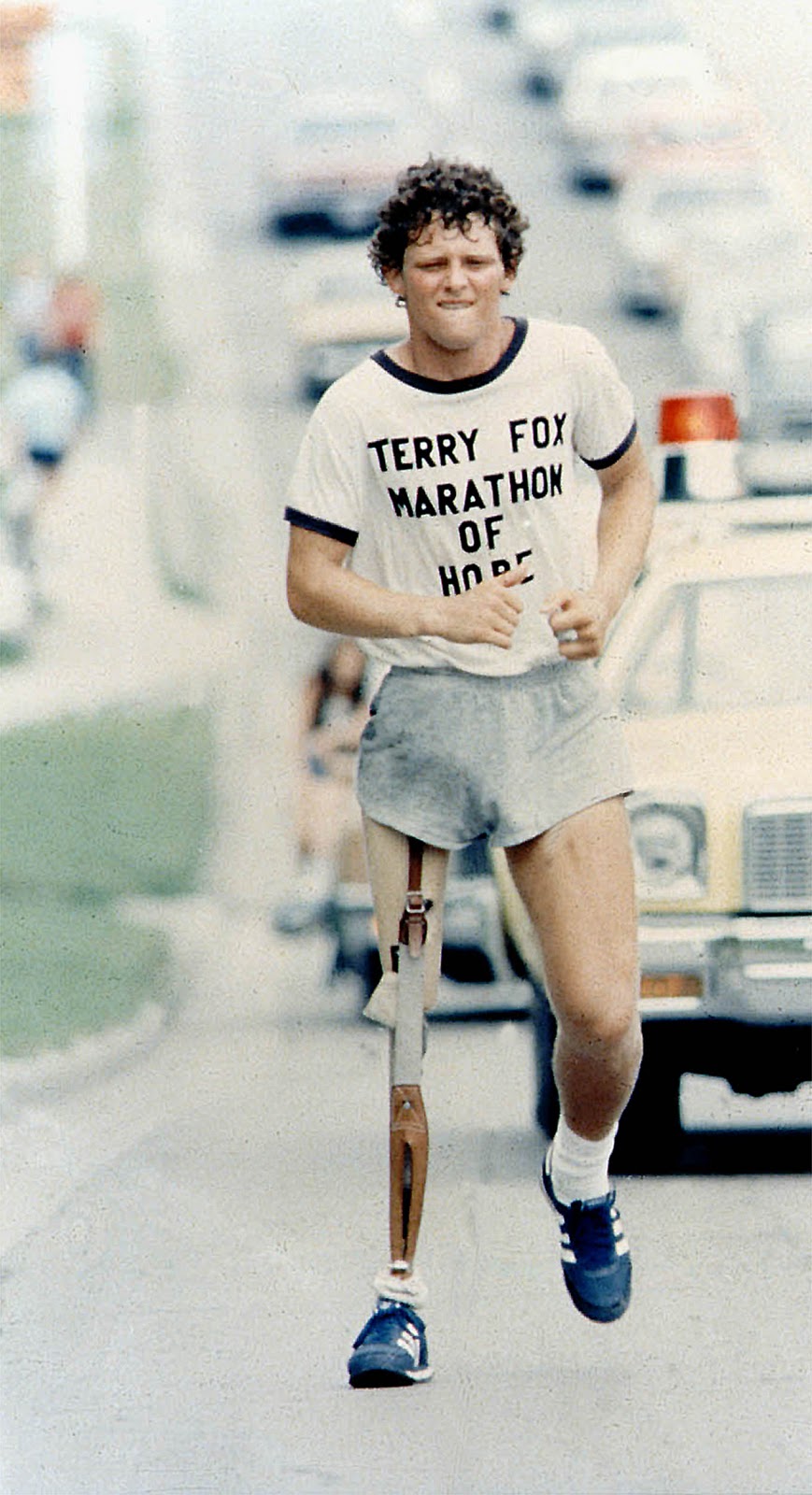
A large number of cancer survivors experience permanent changes to their body as a result of the disease or its aggressive treatments. The long-term impact of cancer can vary from relatively minor health problems to serious chronic health issues or disability. The most famous example I can think of is Terry Fox. In 1980, with one leg having been amputated due to osteosarcoma, Fox embarked on an east to west cross-Canada run to raise money and awareness for cancer research. Although the spread of his cancer eventually forced him to end his quest and ultimately cost him his life, his efforts resulted in a lasting, worldwide legacy. 

While I’m currently in remission, those dark days of surgery and chemotherapy have permanently changed my body. I’ve had to accept physical changes including the fact that my abdomen is severely scarred and that I have significantly less energy or vitality thanI did in the past. It’s also worth mentioning that, like Terry Fox and others, I’ve had to deal with disability. In my case I had substantial hearing loss prior to my cancer diagnosis, but the toxic chemotherapy drugs that were used robbed me of even more.

You will witness many other cancer patients die.

The most unbearable thing for me as a long-term ovarian cancer survivor has been knowing so many women with this insidious disease, it can be heartbreaking when I witness them gradually deteriorate or succumb to it. The famous American author and civil rights activist Audre Lorde received a diagnosis of breast cancer at the age of 44. While the prognosis isn’t usually as grim as for ovarian cancer, Lorde was still compelled to reflect on her mortality and the intimate connection she felt toward other women. “I carry tattooed upon my heart a list of names of women who did not survive, and there is always a space left for one more, my own,” she wrote.

I was diagnosed with the endometrioid type of ovarian cancer in November 2011, and as I approach the tenth anniversary of my survivorship, I too have amassed a list of names. The cruel fact is that each year about  3,100 Canadian women are newly diagnosed with ovarian cancer and an estimated 1,950 die from it.  In Canada, the five-year net survival for ovarian cancer is approximately 44 per cent. This statistic always makes me shudder, on average only about 44 per cent of the women who are diagnosed will survive for at least 5 years. I can only be grateful that I’ve become one of the fortunate few.

Cancer Diagnosis and Identity: Who are you?

One of the most significant mental health issues that I’ve recognized, both in myself and other cancer patients, is what the disease does to our self-identity. It’s as if we have to fight to remain ourselves after we are diagnosed with cancer. There are days when I feel caught in the middle of something. Although it’s true that ovarian cancer has substantially influenced my lifestyle, and to some extent how I view the world, it’s not all I am—I’ve struggled to make even those closest to me understand this paradox. It’s difficult to explain that while my self-identity is not entirely unchanged, I will always remain so much more than a cancer survivor or an oncology patient.

Regrettably, over the course of my journey, I’ve learned that our society still has misperceptions about chronic illnesses, such as cancer. and that there is still indignity for those of us living with such conditions. For instance, one family friend became rather reclusive when she was informed that I was going through cancer treatment and behaved as if a cancer diagnosis might be contagious. She further assumed that all chemotherapy patients lose most of their hair and offered to loan me an old wig she had. But then, this legacy isn’t surprising considering the profound fear, confusion and stigma surrounding cancer for centuries. Until relatively recently the word was hardly spoken in public or said out loud. It’s no wonder that some of us living with cancer still choose to avoid revealing our illness to anyone outside of our inner circle of family and close friends. We don’t want to be viewed differently—we just want to be normal, not defined by the disease. 

Of course, the health care system and the medical establishment are especially challenging—we are made to feel anonymous and are often reduced to nothing more than numbers or charts, it hurts that we are being robbed of our individualism. I was personally made to feel an acute lack of identity when some nurses and hospital workers didn’t call me by my correct or preferred name. Their error would stem from the fact that I’ve always been called by my middle name, and not my first like most people. I read a short poem recently that almost perfectly captures the feeling that I had on the cancer unit. Names by Wendy Cope describes a woman as she moves through life’s stages, the author deals with themes such as self-identity, ageing, illness and death. 

Names 

She was Eliza for a few weeks
When she was a baby –
Eliza Lily. Soon it changed to Lil.

Later she was Miss Steward in the baker’s shop
And then ‘my love’, ‘my darling’, Mother.

Widowed at thirty, she went back to work
As Mrs Hand. Her daughter grew up,
Married and gave birth.

Now she was Nanna. ‘Everybody
Calls me nanna,’ she would say to visitors.
And so they did – friends, tradesmen, the doctor.

In the geriatric ward
They used the patients’ Christian names.
‘Lil,’ we said, ‘or Nanna,’
But it wasn’t in her file
And for those last bewildered weeks
She was Eliza once again.

This poem becomes the heart-breaking reality for many cancer patients as we find ourselves navigating the hospital or other medical institutions. We feel ourselves diminished and our individual worth slipping away. As patients much of our privacy and control is essentially gone, on a hospital unit we must wake when we are told, wear what we are told and eat what we are told. Often, we don’t have the luxury of a private room, we must share a room with whomever, they say we have to. 

In his classic New York Times bestseller Being Mortal: Medicine and What Matters in the End, Atul Gawande examines identity and how it’s often diminished for residents of hospitals and nursing homes. The author, a medical doctor, uses case studies and also discusses the reality of chronic illness and ageing within his own family. Gawande writes that the battle of being mortal is the battle to maintain the integrity of one’s own life—to avoid being so diminished or dispirited or subjugated that who you are becomes disconnected from who you were or what you want to be. 

Similarly, Bonnie Annis, a breast cancer survivor and contributor to Cure magazine, recently wrote about the identity trap that we find ourselves in. “Just because a disease comes knocking on the door, does a life necessarily become drastically changed? Sometimes, perhaps, but not always,” she insists. “Taking time to hold tightly to identity can actually help with the ability to get through cancer. For example, if a person fails to remember how resilient she was before cancer, she may find herself struggling to keep her head above water when things get tough.”

Annis concludes that none of us escape cancer unscathed. It’s a life-changing and life-altering disease, but allowing it to become our identity is not an option. We’re all too precious and too different to live within the confines of the world of cancer. We can’t afford to give it the power to rob us of our identities.

Cancer Survivorship: Tips for the Long Haul

On November third I’ll mark the ninth anniversary of my cancer diagnosis, sometimes it feels like yesterday and other times I see it as a lifetime ago. So much has changed in the world since that afternoon when I was told that I had both uterine and ovarian cancer; I feel that in many ways I’ve become a completely different person. The “new normal” has become my reality, however there are still days when being a cancer survivor is difficult, terrifying or lonely. Here I’d like to share some of the strategies that have helped me through the long haul of cancer survivorship, it’s always a struggle even though my disease is currently in remission.

Remember how you found motivation when you started your cancer journey.

When you’re first diagnosed with cancer, you’ll definitely have moments when you sense that your world is spinning violently out of control. The fundamental paradox for me as I underwent surgery, hospitalization and chemotherapy was that I was often put in situations where I felt a sense of power. To my surprise, I witnessed myself exhibit exceptional courage and self-assurance. It was sometimes as if I was standing in life’s Category 5 hurricane and remaining steadfast and unbroken. I don’t aspire to be a legend like Terry Fox or to be anything resembling a saint or a cancer hero. But through those dark days I discovered inner qualities and personal strengths that I never appreciated or properly acknowledged in myself.

Advocate for your needs using assertiveness.

As a cancer survivor you should never stop being assertive when it comes to ensuring that your needs are met, be direct, non-aggressive and specific with your requests. As an ovarian cancer survivor, I understand that women living with this ruthless disease need love and support and we deserve to be treated with empathy and compassion. We shouldn’t have to endure abusive or toxic relationships, especially when it involves a spouse, caregiver or other family member. Of course, navigating the complex and overburdened health care system also requires patients and families to advocate for themselves—it can sometimes literally mean the difference between life and death. I so often felt ignored or regarded as a medical case number, that the occasions when I was treated with dignity or compassion are especially memorable to me. The best medical professionals still find time to connect with their patients, and they are genuinely concerned about what we are thinking and feeling.

Focus on what is essential in your life.

I’ve come to the conclusion that cancer itself doesn’t make us see what’s meaningful; we see it when our attention turns away from the small and trivial distractions that surround us. Taking life for granted has become our culturally-induced default mode — we are trained to overlook the essential. As a cancer survivor I’ve ultimately been freed from this monotonous, addictive cycle. For example, I’m grateful for the oncologists who oversaw my case, especially my surgeon. I remain in awe of the fact that they literally saved my life, I also remember the nurses who were with me 24/7 in the hospital. I established a bond with several of them when, life-threatening complications forced me to spend seven consecutive weeks on the cancer unit. Weeks in cancer time feel like years, even decades, but the magnificent oncology nursing team that I had somehow helped me pull through.

I’ve noticed that I can truly appreciate the arrival of spring after a long hard winter. The sense of renewal or rebirth that is associated with spring has been heightened for me now. I appreciate the small wonders like a pair of finches building a nest in our yard and the poppies that bloom in the garden each June. Each day that I’m cancer-free is like a gift. It’s a miracle each morning when I wake up and become conscious that my disease is in remission and that I’m lying in my own bed. I give a sigh of relief when I discover that I’m not in the hospital and there is no need to drive to the cancer centre for chemotherapy or a checkup.

Build your passion into your post-cancer life. 

Even after a cancer diagnosis upends your life and disrupts your usual routines, it’s important not to abandon your interests and hobbies or the things that you enjoy doing the most. I enjoy writing and I still do that as much as possible. There’s an emerging group of professionals who employ the arts to help people heal. The new field is called creative arts therapies, and it encompasses a wide range of modes of expression including art, dance/movement, drama, music and poetry. When cancer patients undertake these activities, whether individually or with the guidance of a creative art therapist, they stand to benefit psychologically and emotionally. Recently there’s been a trend toward simple or old-fashioned crafts and hobbies such as knitting. Some adults are even using colouring books to relax and reduce daily stress. 

Connect with a mentor or support group.

There’s a familiar proverb that states that it takes a village to raise a child. I think that this can be modified to assert that it takes a village to properly support a cancer patient. When I was diagnosed with ovarian cancer nine years ago, I was suddenly faced with a whole new array of complex needs. It was sometimes necessary, or in my best interest, to accept the assistance of my family members or inner circle of friends. During treatment I also had access to social workers, psychologists, dieticians and other skilled professionals to provide support and guidance. Even this far into my cancer journey, I still belong to several online support groups for women with ovarian cancer and take part in fundraising events.

The Problem with Cancer and the Warrior Ethic

I’ve been thinking a lot lately about the controversial, yet commonly held, notion that a cancer diagnosis is a war or a battle that must be won. Doesn’t this philosophy place the burden almost entirely on us patients? If we die or if our cancer ultimately recurs it’s because we didn’t think positively enough or we weren’t strong enough to will it away. I know of plenty of women who’ve succumbed to ovarian cancer and they were among the bravest and most resolute people on Earth. In my opinion, a person’s cancer outcome will depend almost exclusively on medical science. Of course, there are always certain unknown factors or variables—what we sometimes refer to as chance. I’ve learned to face the reality that much of what occurs in terms of my cancer is beyond my individual control, no matter how strong or determined I try to be.

terry-fox-determination

When I was first diagnosed, an iconic image associated with cancer kept going through my mind. I closed my eyes and I could see one of Canada’s most legendary and revered figures, Marathon of Hope runner Terry Fox. I can vividly remember Fox from the photographs and TV clips of my early adolescent years. He continues to represent a certain type of heroism to me, and his legacy offers proof that one person can change the world in the face of tremendous adversity. Nevertheless, it was beyond the young Fox’s control, that his cancer returned and he was forced to stop his Marathon of Hope. In the end, he received multiple chemotherapy treatments and even experimental interferon treatments; in spite of everything, the disease continued to spread. Terry Fox died on June 28, 1981, with his family by his side. My point is that even the heroes among us don’t have it within their power to simply will cancer away.

Well-known screenwriter and producer Josh Friedman was recently diagnosed with kidney cancer, he writes eloquently about the warrior mentality in a personal essay he authored for Time magazine. “Cancer doesn’t give a damn how tough you are,” he argues. “Cancer doesn’t care if you stared down the North Koreans like John McCain, or won the Tour De France like Lance Armstrong.”

Friedman is adamant that patients shouldn’t feel a burden to be brave or to be victorious in some kind of ongoing battle with their disease. “You don’t battle cancer. You don’t fight it. If cancer wants you it sneaks into your room at night and just takes you. It doesn’t care if you’re John Wayne or John McCain.”

“The tough guy narrative is seductive,”  Friedman reminds his readers. “It suggests we have control over our fate, that we can will cancer away. These are lies we tell ourselves. And for some patients that’s helpful. It gets them through the day. For them, it’s a useful tool. But courageousness is a standard that no sick person should feel like they have to meet.”

One popular theory that makes me especially angry is one that links specific personality types to an increased risk of getting cancer. “The Type C Connection: The Behavioral Links to Cancer and Your Health,” argues that the personality traits of some people make them more prone to cancer. Typically, “Type C” individuals are the antithesis of warriors: They are unassertive people-pleasers who repress their emotions.

istock_000007951394medium

Modern researchers have largely debunked the idea that negative emotions heighten an individual’s susceptibility to developing cancer, or that maintaining a positive outlook can stave off cancer’s return or delay its progression. I agree with the majority of oncologists and cancer researchers who argue that there is no evidence to support the idea that personality can influence the growth of malignant cells. There is no cancer for which attitude can halt the progression of disease. Healthy people may think that if they are diagnosed with cancer they will be treated quickly and then all they’ll need to survive is a positive attitude and a fighting spirit. They are wrong.

A recent article in the Washington Post bore the straightforward headline: “It doesn’t take a warrior to beat cancer. It takes a treatment that works.” The author shares his opinion that people shouldn’t think that their cancer outcome is primarily in their hands. Whether a person returns to a life that is cancer-free will depend on so many things that are out of their control. It will depend on the type of cancer they have, how early it was caught, how quickly they get the treatment they need, how well their body responds to the treatment, how skilled their doctors are, how well oncologists understand their type of cancer, their underlying health, their genetic make up etc. It will also depend, in part, on how lucky they are.

The Etiquette of Cancer

I’ve been living with cancer for six years now, having been through three abdominal cancer surgeries, five rounds of chemotherapy as well as countless scans and procedures, I’ve become deeply aware of the “etiquette of cancer.” Or the lack thereof. Etiquette has everything to do with situation, context, timing, individuals and circumstances—cancer etiquette is the same. I can’t offer any concrete rules, only suggestions and advice about how to communicate when the subject you’re dealing with is cancer. Perhaps most importantly you should be authentic and true to your relationship. Essentially the person hasn’t changed and wants to be treated as you always have. He or she is still that special someone in your life, with cancer, for the time being.

teacup-etiqette


Respect the Person With Cancer’s Privacy

One important area of etiquette that was sometimes breached during my diagnosis and treatment was respect for my privacy as a cancer patient. Of course, I won’t name people specifically, but there were one or two family acquaintances who took it upon themselves to spread the news of my illness. Please don’t share cancer information unless you know you have permission from the individual. Don’t use telephone calls, emails, social media, newsletters or bulletins to comment about a person without their specific consent. This rule is especially important when it comes to something as intensely personal as one’s health or a cancer diagnosis.


Practice the “Ring Theory” of Kvetching

Recently a technique has gained attention for coping with a major life crisis, such as a serious illness.  It’s called the ring theory of kvetching, so named by the psychologist Susan Silk, writing in the LA Times in 2013. Silk drew on her experiences as a breast cancer patient. When she declined one colleague’s visit, pleading exhaustion, she was told, “This isn’t just about you.” “It’s not?” she wondered. “My breast cancer is not about me? It’s about you?” The main principle of the ring theory is that support, caring, comfort FLOWS IN. Kvetching, venting, complaining, requests for empathy, all of this only FLOWS OUT. The person or people with the illness, trauma, or other enormously challenging life situation — they get to complain outwardly to their first circle of support. The first circle of support does NOT vent — about the challenges, the loss of sleep, the emotional toll, etc. — to the person or people at the centre of the trauma.


ring-theory-graphic1


Don’t Offer Treatment Advice

When I was undergoing treatment, I can remember getting angry when people other than my cancer care team would try to give me medical information. “If I want information regarding cancer or cancer treatment, I’ll ask for it,” I thought. In the months following my cancer diagnosis I was inundated with information and advice from my medical team. Consequently, the articles from newspapers, magazines or online publications that I received from other people were annoying. For the most part these pieces were irrelevant and unnecessary. Also be careful when presenting teas, potions or homeopathic remedies to treat cancer. When some individuals gave me a gift basket with ginger and dandelion root, I didn’t bother to explain to them that these nutrients are specifically mentioned on a list oncologists give to their patients. Ginger and dandelion root do not combine well with many traditional chemotherapy drugs, and therefore patients should refrain from using them during active treatment.


Don’t Minimize the Diagnosis

Don’t declare, “Oh, cancer’s no big deal. My mom has had that for 20 years and is doing fine.” Remember that I’m not your mom and that any cancer is a serious issue. Even skin cancer, bladder cancer and other “minor” malignancies kill people every day. They cause suffering. They cause organ removal and disfigurement and fear and shame. I hate when people try to deny this fact or to minimize it by giving me false reassurance or by saying that I’m going to fine. The truth is I don’t know I’m going to be fine, you don’t know I’m going to be fine, even my oncologist doesn’t know what my outcome will be. Instead, I feel comforted by phrases like “I believe in you.” or “I’m pulling for you.”


Don’t be Judgmental or Ask for a Health History

For many cancer patients there’s nothing worse than being sick and getting advice from the healthy, because it’s almost like insinuating we did something to make this happen to us. It may be true in some cases that our lifestyle or health care choices increase the odds of getting cancer or contribute to cancer progression. However, if you cause someone with cancer to absorb blame and feel shame it will almost certainly make matters worse. Shame and guilt are unnecessary burdens to carry. From everything that’s known about the emotions and health, acceptance and forgiveness are what cancer patients need to cultivate and enhance healing, not self-condemnation or self-blame.

Lessons in Survivorship: The Wisdom of Cancer

PurpleRain

As I’ve mentioned before in this blog, self-assessment or the need to reprioritize your life is a virtually inevitable part of being a cancer survivor. This month marks the fourth anniversary of my diagnosis. My gynecologist informed me of my disease on November 3, 2011, and this will always remain one of the most significant days of my life. How can one explain such a profound and life-altering event to a person who has always been relatively healthy? Some psychologists and experts have observed that cancer patients divide their lives into two parts or that we are figuratively born twice.

Since the beginning of my cancer experience there have been moments of epiphany and numerous opportunities for personal reflection. I want to share a few of the survivorship lessons that I’ve come to terms with over the past four years. According to professionals in the cancer field, survivorship is living with and beyond cancer. Survivorship covers the physical, psychosocial, and economic issues of cancer, from diagnosis until the end of life. This is some of what I’ve learned so far.

If something isn’t going to matter or have any impact five years from now, I probably shouldn’t spend time worrying about the issue. Not until my diagnosis with cancer did I realize how much time I spend worrying about the future or regretting the past. I believe more than ever in the importance of focusing my attention on the present. I can live each moment only once, so why waste that precious moment in a state of self-induced stress or anxiety? As for the direction of my life, I’ve ultimately gained a clearer perspective about what my priorities are—I’m proud of my ability to concentrate on the values and relationships that I know are the most significant.

I tend to enjoy my own company more than I enjoy being in groups or socializing with other people. I’ve accepted that I’m an introvert and there’s nothing wrong with the way I am, it’s not necessary for me to apologize. I lament the fact that my personality type is so frequently misunderstood and that introversion is often confused with being shy. Shyness is the fear of negative judgment, and introversion is a preference for quiet, minimally stimulating environments. I become the most upset when I’m accused of disliking people in general and of lacking the skills to be an extrovert. The truth is that introverts comprise at least one quarter of the population and we continue to make our own unique contributions to society.

istock_000007951394medium

It’s counterproductive to surround myself with people who don’t want to be with me or don’t value me. I’ve reached a point on my cancer journey where I find it’s no longer necessary to impress anyone. If they like me the way I am, that’s fine. If they don’t, it’s their loss.

I’ve definitely developed zero tolerance for having toxic people in my life.

Some Signs of a Toxic Person

Nothing you can say or do is good enough.
They comment on the smallest flaw or perceived imperfection.
They drag up your past and won’t allow you to grow or be different.
They act like they are fabulous and never make mistakes.
They leave you feeling guilty and ashamed of who you are.
They are critical, controlling and don’t think about your needs.
They leave you feeling beaten, wounded, battered bruised and torn.
They violate your boundaries and never respect no.
They don’t care about your feelings and they like to see you suffer.
It’s always about them and what they think and want and feel.

I rarely use the word someday and I try to avoid talking about future plans in vague or uncertain terms. Most people I know take the future for granted and think of it as something that will always be there for them. In 2012 I spent over a month and a half on Unit 42 at Calgary’s Foothills Hospital. This women’s cancer ward is predominately a place of bravery, triumph, heartbreak and tears. When I looked into some of the other patients’ eyes, I could see them begging for a future, and I understood that they would do almost anything for the gift of just a few more months in this world. As a cancer survivor I’ve discovered how precarious tomorrow really is and that you can’t always depend on someday.

50eb27d44683b9c588386c68616f

I’ve learned it’s not wrong to put my own needs first and that it’s essential to take care of myself physically and emotionally. After undergoing five cycles of chemotherapy and three cancer surgeries within eight months—I’m finally treating my body with the respect it deserves. We’re all pressured daily to move faster, do more, sleep less, earn more money and obtain that promotion. Within the cancer community, I hear the term “self-care” a lot. I don’t know if I’m fond of the expression, but it’s a concept I believe in strongly, I consider it particularly relevant for women with cancer. As women we are socially encouraged to give everyone else our time, energy and attention—but often feel conflicted or guilty when we stop long enough to take equally thoughtful care of ourselves.