Weathering the Perfect Storm: Dealing With the Cost of Cancer

The physical, emotional and psychological impact of a cancer diagnosis is devastating enough, but in many situations the disease also inflicts a financial wallop upon its victims. When I was told that I had uterine and ovarian cancer, I was paralyzed with fear and in a state of denial. But soon literally hundreds of details raced through my mind.  As a single, self-employed woman one of my immediate concerns involved my finances and whether I was going to be able to continue working as a freelance journalist. “Oh shit,” I thought. “How many months will I be out of action?”

In their book, Picking Up the Pieces, authors Sherri Magee and Kathy Scalzo describe the types of loss that cancer involves and the damage that it can inflict on our lives. “While we expect to grieve the loss of a loved one, we are unprepared for—even shocked by—the magnitude of loss that comes with a life-threatening illness,” they write. Magee and Scalzo make it clear that the most recognizable form of loss is physical, but they go on to discuss the fact that many cancer patients also experience a loss of income or savings or even the loss of their job.

The financial burden for Canadian cancer survivors is significant. As one might assume there is declining income due to lost wages, EI limits, and gaps in government safety nets. Less obvious are extra costs such as medication, chemotherapy expenses, childcare, travel costs and homecare. These can all become part of the equation when you are dealing with a cancer diagnosis, treatment and survivorship. While everyone’s financial and employment situation will be somewhat unique, there are common elements. For example, within the Canadian context lost income usually has a larger effect than out-of-pocket costs for those battling cancer. Certainly, this has been my personal experience and the experience of most other people I know of.

Senior couple with  bills

My freelance business was essentially inactive for approximately one year while I was forced to undergo several major abdominal surgeries and five cycles of chemotherapy. Today, my cancer is in remission and I’ve begun to work again, however understandably I’m no longer able to accept the number of assignments that I used to or handle as many clients. Ultimately family members and government assistance have been keeping me afloat for the past two years. I’ve learned that situations such as mine are prevalent, a study of national wage loss from cancer showed that 91 per cent of households suffer a loss of income or rise in expenses as a direct result of a cancer diagnosis. For some, these pressures become a “perfect storm” and lead to serious financial distress—hardship so severe that some families never recover.

In 2010, the Manitoba division of the Canadian Cancer Society and the Canadian Cancer Action Network coauthored a report focusing on the financial hardship of cancer in Canada. The report titled The Financial Hardship of Cancer: A Call for Action concludes that a lack of awareness and a false sense of security have left Canadians unprepared to deal with these challenges. We are ill-equipped both as individuals and as a society. Most Canadians don’t know that a cancer diagnosis has caused some people to declare bankruptcy, lose their homes, lose all of their savings, make less than optimal treatment decisions or become dependent on taxpayer-funded programs for the rest of their lives. Until cancer comes into their own lives, they believe the myth that all health care is free. Most never imagined that they could face such difficult challenges at such a vulnerable time of their lives. The reality comes as a shock to many.

Cost of prescriptions

For me, reading The Financial Hardship of Cancer simply confirmed many of the facts that I’ve already learned through bitter experience. For example, those hit hardest financially are people with low income and/or no disability insurance—a group that includes a higher proportion of seasonal, part-time or self-employed workers. Regrettably, I consider myself a member of this most vulnerable demographic. Amid all the bad news, however, I did find a glimmer of hope or a reason for cautious optimism. The authors of the report emphasize that there are many opportunities to reduce the possibility of severe income loss following a cancer diagnosis, primarily through improvements to the social safety net.

Above all, the report strongly recommends that programs be aligned with today’s cancer journey. The authors argue that certain federal safety net programs are increasingly unable to meet the needs of cancer patients. For example, some rules are out of step with the increasing survival rate following a cancer diagnosis, and today’s dynamic economy, where job displacement and career interruptions are more common. Obviously such limitations only prevent support programs from fulfilling their ultimate mandate, which is to carry people through difficult times so they can become financially independent in the long term. Modernizing many aspects of the system would not only be extraordinarily beneficial to cancer patients, it could potentially save Canadian taxpayer dollars over time.

The Crusade For a New Cancer Centre

simulator

As I struggle through this cancer journey, I’m sincerely grateful to have access to some of North America’s top oncologists and cancer surgeons and to be offered cutting-edge treatment options. Calgary’s Tom Baker Cancer Centre is consistently ranked among the top ten treatment and research facilities in Canada. Despite its level of success, there is undeniable evidence that the venerable centre is showing its age and needs to be replaced. Politicians and health officials acknowledge that the building itself ran out of space approximately a decade ago. This isn’t surprising considering Calgary’s surging population. Add to this the fact that our demographic is changing and more people have reached a time of life when they are most at risk for cancer.

Like the majority of patients undergoing treatment at the Baker Centre I have mixed feelings regarding my experience. I’m definitely impressed by the top-notch care I’ve received from the dedicated staff and volunteers. However, I’m alarmed by the all too obviously crowded quarters. On my visits I find it impossible not to notice how filled to capacity the building is—I’ve been subjected to the overflowing parking lot, the busy chemotherapy beds and the standing room only waiting areas.

The Tom Baker Cancer Centre has been serving men and women diagnosed with cancer for approximately a generation now; it opened its doors 31 years ago in the early 1980s. At the time, Albertan’s marveled at the spacious and innovative new facility. There was incredible pride in the centre by those involved in its creation. The building had been meticulously designed to provide cancer care for Calgary’s population of 600,000 and the rest of southern Alberta. What is more, the new Baker Centre had cutting-edge technology, a first-rate young staff and space, an abundance of space.

While the centre’s first doctors once pondered how exactly they’d fill all the new space available to them, today’s oncologists, nurses and technicians grapple with cramped offices, crowded reception areas and patients lining the hallways waiting for treatment. Tom Baker has had four medical directors since 1981. The current medical director is Dr. Peter Craighead, who has been in the role for six years. “ I think all of us are concerned,” Craighead recently told reporters. “Our caregivers are pretty stressed by the lack of space, the lack of ability to grow.”

On March 1, 2013, the Alberta government took a fundamental step to address these issues and announced plans for a new cancer centre to be built in Calgary. “We know the need for cancer care will continue to grow, and we need a facility to increase capacity and improve patient care,” said Premier Alison Redford at the press conference. “This state-of-the-art facility will be a hub for cancer care for Calgary and southern Alberta.”

li-redford-horne-family-clinics-1
Alison Redford and Health Minister Fred Horne

“The Tom Baker Cancer Centre has served Alberta well, but it was never designed to meet this level of demand,” added Health Minister Fred Horne. “This new facility will ensure services are integrated for more effective and seamless patient care, and will also maintain Alberta’s place as a leader in cancer research and education.”

Obviously this long awaited news has generated absolute delight in the staff at Calgary’s Baker Centre and in the approximately 19,200 patients that are currently undergoing cancer treatment in Calgary. The announcement has given many a reason to be cautiously optimistic that the Alberta government will fulfill its promise this time. There have been assurances in the past of a new cancer centre, only to have the project shelved when government funds were not made available. I agree with advocates who believe there is no alternative anymore but to replace the aging Tom Baker Centre, at least if we are to continue to provide first-rate cancer care in this city.

Baker Centre construction
The Baker Centre was expanded in the 1990s.

I expect that this time those in power are ultimately going to follow through because of the absolute urgency of the project. Also, the details that have been made public are more specific than in the past. The Alberta government has agreed to partner with the Alberta Cancer Foundation, which has already committed $200 million toward the project. According to the latest reports the province is still committed to the new centre. They’ve promised to spend $160 million over the next three years—including $20 million this year—to get the project up and running. While the province originally said that it expected to get started on construction in 2015, it’s now indicating that work on the colossal $1.3-billion facility won’t get underway until 2016.

An opening day for the centre is currently pegged for summer 2020. One thing is guaranteed; it will take a lot of collaboration and mutual resolve before Calgary’s new ultramodern cancer centre finally comes to fruition. Of course, the Alberta government and the Alberta Cancer Foundation must lead the way, but the philanthropy of private individuals and the generosity of Calgary’s corporate community will also perform a crucial role.

Meanwhile, the oncologists at the Baker Centre have informed me that if I continue to stay in remission until 2017 they will consider my therapy finished. In due course, their plan is to place me back into the care of my family doctor and gynaecologist. There will be no more need for regular checkups or treatments from cancer specialists, and I will essentially be declared cancer-free. My ultimate dream is that this extraordinary moment will occur, and that it will occur for thousands of patients after me in Calgary’s brand new state-of-the art cancer centre!

Inside The Tom Baker Cancer Centre

50eb27d44683b9c588386c68616f

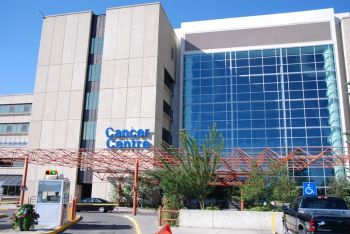
I’ve been a patient at Calgary’s Tom Baker Cancer Centre for over two years now, but it’s occurred to me that I haven’t presented a detailed description of southern Alberta’s primary cancer treatment and research facility in my blog. Perhaps I was waiting for the perfect time to focus on this topic in The Teal Diaries, and since my next scheduled appointment at the centre’s outpatient clinic is in approximately one week, writing down some of my thoughts and feeling about the building and its dedicated staff seems highly appropriate. Prior to my cancer diagnosis I had virtually no knowledge of the Tom Baker Centre. Like most people in Calgary I was aware of its location and had observed it numerous times at the sprawling Foothills Medical Centre, however I had never actually been inside the building. Every time I saw the five-storey cement structure, I hoped I would never be required to enter it. The very name “Baker Centre” would set off a wave of powerful thoughts and emotions—in my mind I identified it as a place where cancer patients went to receive treatment, and sometimes to die.

My first time inside was on a cold, dark November morning. Since it was my initial assessment the team of oncologists had scheduled me early, before anyone else. I still remember how terrified I was and yet how unexpectedly quiet and peaceful everything seemed to me at that hour. My mother and I were essentially the only ones present in the waiting room of the gynecology clinic. Soon I was having a detailed conversation with a nurse about my medical history, naturally there was an emphasis on any family history of cancer. Next, I was examined by one of the Baker Centre’s top pelvic cancer surgeons, Dr. Prafull Ghatage. Following my examination, my mother and I were assembled in one of the Baker Centre’s conference rooms with Dr. Ghatage and a team of other physicians.

The seriousness of my situation began to register as I looked across the table at four of five white-coated medical professionals. Dr. Ghatage explained that he wanted to perform surgery as soon as possible. This news was overwhelming, especially since I was still recovering from a total abdominal hysterectomy that I had undergone three weeks earlier. “I just had a hysterectomy and now I’m dying of cancer,” I tearfully blurted out. “You’re not dying, I’ll inform you if you are dying,” a firm voice immediately responded. These rational words jolted me back to reality, and before we left I signed a consent form for a laparotomy—a specialized procedure in which abdominal organs are removed, biopsied or repaired and a definitive diagnosis can be made.

Baker Centre building

All gynecologic cancer surgery and subsequent recovery actually takes place on Unit 42 B in the Foothills Hospital, but I was back at the adjacent Tom Baker Centre approximately two months later. This time it was to have the necessary follow-up chemotherapy. It was at this point that I began to realize how self-contained, busy and efficient the renowned Tom Baker Cancer Centre is. First my mom and I attended one of the centre’s chemotherapy orientation sessions. It included a tour of the daycare unit where specialized nurses administer powerful anticancer drugs to a steady stream of patients. About 90 patients a day receive treatment in 39 daycare treatment spaces, some of the spaces feature beds and some have reclining style chairs. Naturally, I was apprehensive when the day arrived for my first cycle of carboplatin with taxol; I was scheduled for six cycles with each treatment 21 days apart. Of course, I’d been warned about the inevitable side effects including fatigue, weakness and nausea. It was also predicted that my hair might become thinner, but that I probably wouldn’t lose my shoulder length bob completely. As a precaution, I had it cut into a much shorter pixie style.

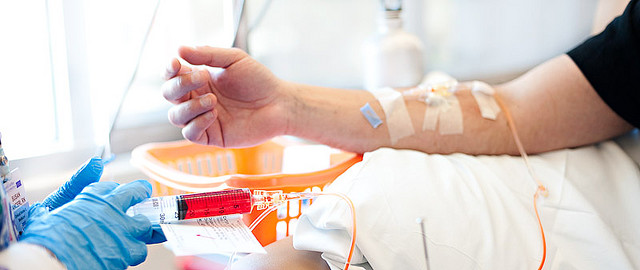
I can laugh now, but I was rather worried that some of the veteran chemotherapy patients might be able to tell that I was a newbie. They would ascertain that I looked too healthy and had all of my hair! When I arrived for my first session, I noticed that the people around me seemed to have many types and stages of cancer—what is more, a good number of them exhibited full heads of hair. After a short wait, a nurse led my mother and I into the Baker Centre’s large daycare treatment area. My heart beat faster as we reached my assigned space and I settled into a recliner by the window. The nurse explained what she was doing as she inserted my IV line and then attached some anti-nausea medication in preparation for the potent cancer-fighting drugs.

Chemotherapy IV

Somehow the hustle and bustle of the busy daycare area had a calming effect on me, as did being in the presence of the staff and so many other patients. I left my first chemotherapy appointment extremely impressed by all that the Baker Centre does to make the procedure less stressful and more comfortable for each patient. I’ll never forget being offered coffee, tea and cookies by one of their devoted volunteers. Having been through treatment, I can appreciate how incredibly challenging it is for the team to meet the individual needs of thousands of men and women diagnosed with cancer. I was later astonished to learn that there were 20,100 chemotherapy appointments at Calgary’s Tom Baker Centre in the 2010-11 fiscal year. In my next blog post I’ll discuss some of the issues as the centre struggles to keep up with an ever-increasing demand for its services.

The Blame Game: Guilt and Cancer

One of my New Year’s resolutions for 2014 is to more effectively manage the guilt or shame that I sometimes feel concerning my cancer. It seems unfair considering all the other unpleasant emotions that cancer triggers, but guilt in its various forms is a constant enemy waiting to attack cancer survivors and their caregivers.

It’s been well documented that many cancer survivors have feelings of shame or guilt, particularly around the notion that they may have played some part in causing their cancer. Certain cancers, for example lung cancer, have especially strong stigmas attached to them in this regard. “He smoked heavily, so what did he expect?” When it comes to cancer we often subtly, or not so subtly, blame the person for his or her disease. Friends, family members or strangers often do this unwittingly, in an attempt to rationalize a painful reality and to cope with it better themselves. Human psychology being what it is, whenever we can construct an explanation for something, it makes us feel a little better. Experts, such as renowned scientist and author Jon Kabat-Zinn, emphasize that blame only robs an individual with cancer of the present by directing their attention on the past—it undermines them when they most need to focus their energies and face the reality of having a life-threatening disease.

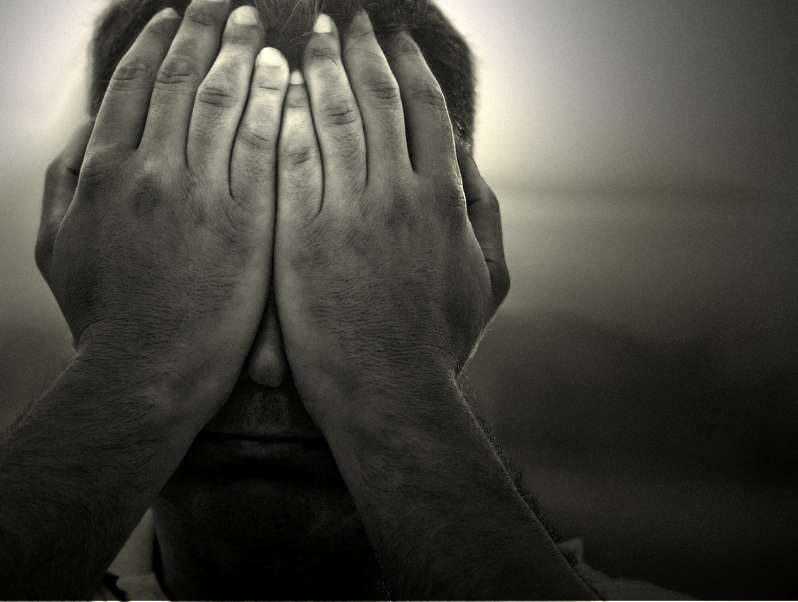
guilt

While gynecological cancers don’t involve the same degree of stigma as lung cancer or some other forms of the disease, I’ve still experienced times when I’ve felt that I might be to blame for my illness. Leading up to my diagnosis, I was having symptoms that could indicate uterine and/or ovarian cancer and my doctor recommended surgery. At first I was somewhat hesitant due to fear and denial of my situation. I had never been hospitalized or had any type of surgery before, now I was being informed that I should have a total abdominal hysterectomy as well as the removal of my right ovary. My gynecologist had to “twist my arm” to a certain degree. I ultimately consented to the procedure when I realized that it was in my best interest. What would the outcome have been if I had chosen to have the operation sooner? Would my endometrial cancer be less advanced, lower than the stage III that I am currently diagnosed with? Would it have had time to spread to my lymph nodes and affect my right ovary?

There is no way to determine these things for certain, but I do regret my hesitancy to take action. Everyone has done things that they wish they hadn’t. My argument is that there is a difference between taking responsibility for the consequences of actions and feeling like you deserve to be blamed. It may be true in some cases that our lifestyle or health care choices increase the odds of getting cancer or contribute to cancer progression. No doubt in such circumstances changing certain behaviours may improve your health. However, allowing a patient to absorb blame and feel shame will almost certainly make matters worse. Instead, it’s better for cancer survivors not to let shame and guilt keep them from moving forward, getting the support they need and deserve, and living in a healthier way. Shame and guilt are unnecessary burdens to carry. From everything that’s known about the emotions and health, acceptance and forgiveness are what we need to cultivate and enhance healing, not self-condemnation and self-blame.

Guilt-2

This having been said, there are numerous other ways in which guilt manifests itself in the lives of cancer survivors. Guilt takes sinister forms for us, like feeling shame for the envy we feel about those who are in good health; feeling guilty about the disproportionate amount of attention we receive, and even guilt about surviving cancer when so many others have not. I remember feeling guilt-ridden when I was undergoing cancer treatment and unforeseen complications occurred. My condition ultimately caused me to spend over a month and a half in Calgary’s Foothills Medical Centre. As my primary caregiver, my mother had her life completely turned upside down. Although she is semi-retired, she took a leave of absence from her part-time job and rearranged her daily schedule to visit me. My brother also took some hours off work at the law firm where he practices. Suleika Jaouad, a young American fighting leukemia, describes herself in similar circumstances:

“I feel guilty when I start feeling sick or get a fever. I want to apologize, for I know I will soon make the life of my loved ones hell. My mother will have to drive four hours in the middle of the night to take me to the hospital in New York City. Family will have to take sick days from work. After long days at the office, my boyfriend will spend night after night sleeping between two hospital chairs. My father will “hold down the fort” at home (this translates to lonely nights spent worrying by himself and feeling very far away from my hospital room).”

Finally, as I’ve alluded to, some cancer patients experience the discomfort of what is termed survivor guilt. I’m aware through various sources that I’ve outlived several of my former cancer ward roommates. Perhaps it’s only human nature to occasionally wonder why I’ve been fortunate enough to achieve remission, when so many women diagnosed with my form of cancer have lost their agonizing battle.

Shame

For more information regarding guilt and cancer or to seek professional advice contact the psychosocial oncology department at your regional cancer centre or reach out to other cancer resources in your community.

It’s All So Trivial: Emotional Isolation and Cancer Patients

loneliness

In my introductory blog post, Survivorship 101, I defined the concept of cancer survivorship. Survivorship refers to the physical, psychological, social, and economic issues of living with cancer, from diagnosis until the end of life. In this post I would like to delve deeper into some of the social and psychological aspects of having cancer. For example, a major cancer diagnosis often causes you to view the world differently—things that once seemed enormously important may lose significance and become almost trivial. Personally, I’ve discovered that physical attractiveness, material possessions and social status all matter less to me now. These things frequently seem to fade into irrelevance as I confront a life-threatening illness. Meanwhile, my relationships with other people, discovering ways that I can make a difference in the world and learning more about the essence of who I am are currently at the forefront of my agenda and have an extremely high priority to me at the moment.

Like many people dealing with cancer I’ve sometimes felt isolated from those not going through a similar experience. Relatives, friends and acquaintances mean well, but they are unable to fully empathize or to understand certain aspects of what I am going through. Many cancer survivors will attest to the fact that there are times when they are surrounded by people and still feel very alone. This type of emotional isolation occurs when you discover that you can no longer relate to people in the same way you did before. Things that were important to you in the past are no longer important to you, and your friends and family don’t understand why you have changed so much. I’ve noticed that the books I read, the movies or television that I watch and the activities that I like to participate in have all changed a fair amount since my cancer diagnosis, so have the topics that I prefer to discuss. This transformation has affected my personal relationships and how I feel about those closest to me.

loneliness bench

According to the Alberta CancerBridges team, such deep-seated feelings of isolation have been well documented in the cancer care literature. There is even a term that has been created to describe this experience—it’s known as survivor loneliness. Last summer I watched a rare long-term survivor of ovarian cancer address the crowd at an Ovarian Cancer Canada fundraiser. I admire her ability to speak eloquently in public about her decade long struggle. Throughout her speech she had nothing but praise for her friends and family, I could sense that she is profoundly grateful for the unconditional love and support that they have given her over the years. But paradoxically, the former nurse also characterized her personal battle with cancer as a “long lonely journey.” Survivor loneliness can take many forms and occur for a number of reasons. It’s typically felt as a profound sense of isolation from the people around you. As one battles cancer, this sense of isolation can arise from a feeling that you are alone in your awareness of mortality.

Since my cancer diagnosis two years ago, I’ve been required to think about my mortality. I’ve also had to tend to many practical matters that I didn’t anticipate that I’d have to deal with until I was much older. While everyone around me carries on with their lives, I’ve had to stop and reflect on some of the deeper questions of life that others have the luxury of ignoring. Individuals diagnosed with cancer often find themselves contemplating existential questions. Why am I here? What is the purpose of my life? Who am I? These issues are brought to the forefront of your mind when facing a potentially deadly disease. Sometimes I feel frustrated by the fact that most things that my friends and family care about seem fairly trivial to me now. For example, they got cut off in traffic, they had a disagreement with a coworker or their favorite esthetics studio is getting ready to raise its prices.

Cancer experts and psychologists generally agree that the most effective way to combat isolation and survivor loneliness is to connect with other people who are undergoing a similar ordeal. There are numerous support groups and organizations throughout Canada specializing in the extremely complex social and emotional aspects of cancer.

loneliness-2

Cancer shakes your illusions of immortality. It robs you of the sense of invincibility and innocence that once protected you. But what replaces that feeling is infinitely more valuable: a new awareness and a mature understanding of both life and death.

From Picking Up the Pieces: Moving Forward After Surviving Cancer
by Sherri Magee and Kathy Scalzo

Walk of Hope

OLYMPUS DIGITAL CAMERA

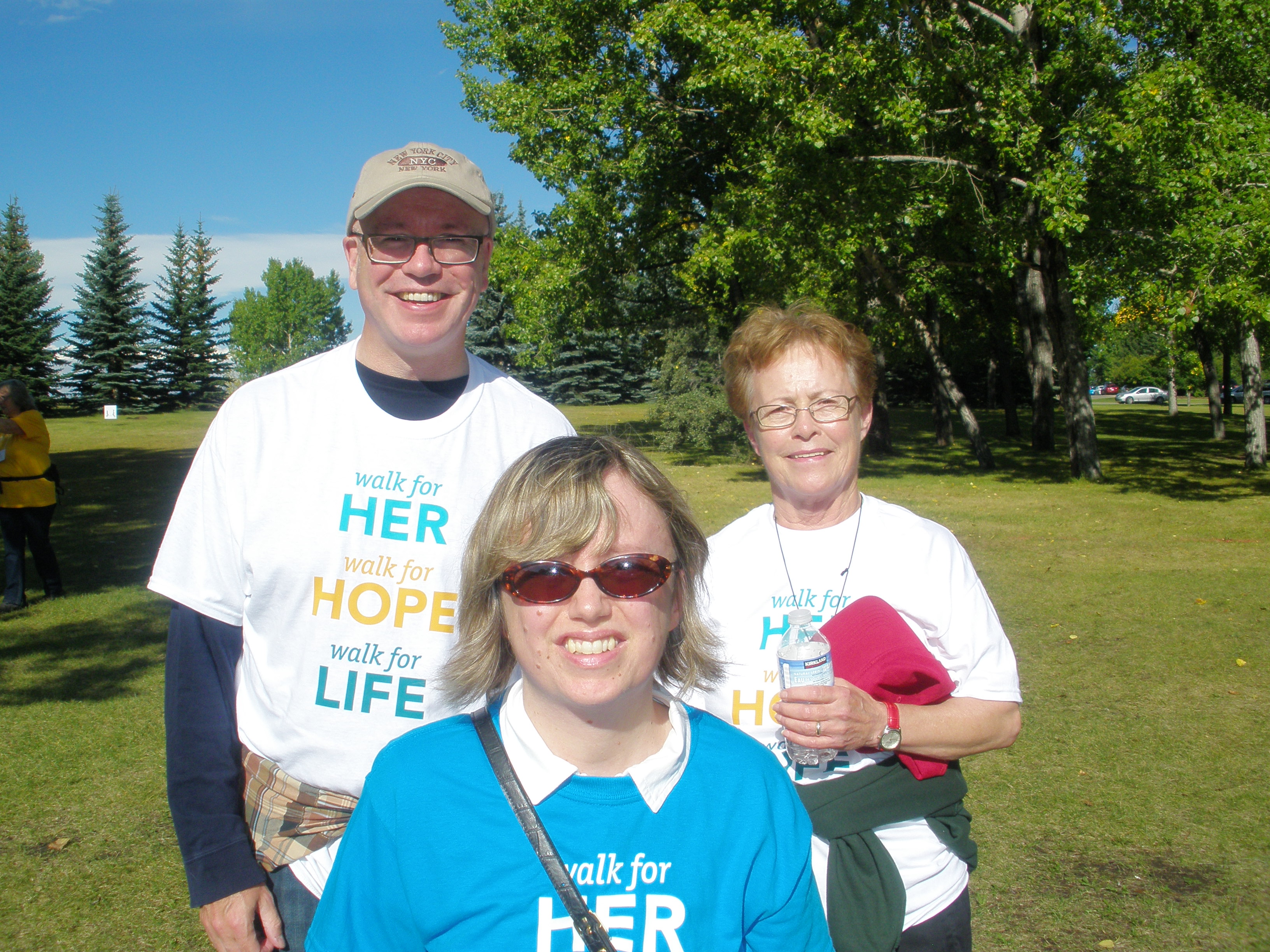
Last week I participated in my first ever cancer fundraising event, the 2013 Ovarian Cancer Canada Walk of Hope. On September 8 thousands of Canadians came together in over 45 communities. We all had one common goal—to overcome ovarian cancer. Together we raised $2.4 million to bolster awareness, research and programs designed to offer assistance to those with the disease. My mom and brother Ray were both eager to sign up with me for the event, so the three of us walked resolutely with several hundred others through North Glenmore Park in Calgary. Given my athletic abilities and physical condition, I opted for the shorter 2.5 km route rather than the full 5 km course. The weather cooperated with us. There had been cool winds and torrential rain the day prior to the walk, but the morning of September 8 was flawless and sunny with only the faintest hint of breeze.

One highlight of the event was a speech from Calgary’s mayor, Naheed Nenshi. As he addressed the crowd from an outdoor stage, he reminded us of the future generations of ovarian cancer patients that will benefit from our efforts, women who have yet to be diagnosed. I am a case in point, ten years ago when the Calgary version of the walk fundraiser was founded I was still blissfully ignorant. I never dreamt in those days that I would become a member of a rather exclusive and unfortunate fellowship of ovarian cancer survivors. Friends and family members of those who have lost their battle with the disease were present in large numbers. Countless people are motivated to participate in the Walk of Hope each year in memory of someone they cherished. But Nenshi also drew attention to the fact that complete strangers will ultimately benefit from our collective endeavours and that there is power in working toward a goal together.

OLYMPUS DIGITAL CAMERA
Posing with my mom and brother Ray at the 2013 Ovarian Cancer Canada Walk of Hope. Over 200 participants were at the fundraising event.

For women, such as myself, engaged in a personal battle with ovarian cancer the reasons for participating in major fundraising events are often deeper. We know that we have what is considered to be the most dangerous of the gynecological cancers—we face high recurrence rates and an overall five-year survival rate of less than 30 per cent. Walking through Glenmore Park, I look around at other women who are actively fighting this disease and I appreciate that we are the brave few who are in remission or who have managed to beat the odds of recurrence. For me walking is a way of feeling more in control and less helpless against a disease that has ruthlessly invaded my body and that kills approximately 1750 Canadian women each year. It’s also a way for me to celebrate all that I do have in my life, and to remind myself that I have more than just cancer.

American journalist, Karin Diamond, expresses these sentiments eloquently in a current online article entitled Cancer Is Not All I Have. Although Diamond isn’t one of the thousands of women with gynecological cancer, she is engaged in a battle with recurrent, chemo-resistant Hodgkin Lymphoma. It persists despite slews of drug combinations, radiation, two stem-cell transplants, immunotherapy, and clinical trials. The 30-year-old acknowledges that there are very few medical treatment options left for her to try. Still the tone of Diamond’s Huffington Post feature isn’t despairing. Throughout it she juxtaposes images of her cancer-ravaged body and other stark cancer related descriptions with the magnificence that remains in her life. Essentially her blog post is a tribute to all that she is fortunate enough to enjoy, including her husband, her family and her career. “I have a good, no a great, no an utterly balls-out fabulous life and more importantly, the capacity to understand its impermanence,” Diamond writes.  “Sure, I have some things that I don’t need, ahem, cancer, but I have everything I do need. Right here. Right now. I revel in that comfort and wonder how I got it so good.”

As I proudly cross the finish line in the 2013 Ovarian Cancer Canada Walk of Hope suddenly my life doesn’t seem so bad either.

The Disease That Whispers

In virtually all cases, the earlier cancer is diagnosed the more straightforward it is for oncologists to treat. Early detection of the disease frequently results in a better prognosis and a greater chance of achieving a long-term cure. Fostering public awareness regarding the signs and symptoms of cancer is vital, as it can literally mean the difference between life and death for some individuals. At minimum everyone should acquaint themselves with the seven warning signs of cancer! The warnings offered by such organizations as the Canadian Cancer Society and the American Cancer Society alert the public to physical occurrences that could indicate a problem.

In this blog post I aim to go beyond such very universal warning signs and discuss the specific signs of both uterine and ovarian cancer. I will also mention risk factors for each of these diseases. Just a generation or two ago many women suffered in silence, as one’s “female problems” weren’t discussed in polite company. Even today there remains a certain degree of stigma to “below the belt” cancers in both sexes. I acknowledge that embarrassment and a sense of denial, or wishing that my symptoms would just go away, played a role in my relatively late diagnosis. So did my own lack of awareness about the risk factors for endometrial and ovarian cancer.

uterine-cancer2

OVARIAN CANCER

Sometimes called the disease that whispers, ovarian cancer is the most serious of all gynecological cancers. Over 2600 Canadian women are diagnosed every year; and every year 1750 women succumb to this disease. Symptoms are varied, vague and easily missed and there is no early detection test. Until there is a reliable early screening test for ovarian cancer, awareness remains an essential weapon against the disease.

Ovarian Cancer Warning Symptoms

Swelling or bloating of the abdomen / Pelvic discomfort or heaviness / Back or abdominal pain / Fatigue / Gas, nausea, indigestion / Change in bowel habits / Emptying your bladder frequently / Menstrual irregularities / Weight loss or weight gain

Other symptoms sometimes include a mass or “lump” in your pelvis that you can feel or a sensation of fullness leading to the inability to eat normally. Pain with intercourse or unusual vaginal bleeding (bleeding between periods or the reemergence of bleeding in post-menopausal women) may also occur.

Risk Factors

The cause of ovarian cancer is unknown. However, the risk of developing ovarian cancer increases as you age—according to Ovarian Cancer Canada 6 out of 10 women diagnosed with ovarian cancer are between 50 and 79 years old. The risk for the disease or of getting it a younger age may be increased if you have any of the following:

  • Have not had children
  • Have not used oral contraceptives
  • Have a family history of breast, ovarian or colon cancer—About 10 per cent of ovarian cancers are hereditary, or run in the family. The BRCA1 and BRCA2 (or Breast Cancer 1 and 2) genes are involved in most cases of hereditary ovarian cancer. Other cases are caused by a genetic issue called Lynch syndrome.

About_The_Symptoms_Of_Ovarian_Cancer_It_Is_Important_To_Be_Informed

UTERINE CANCER

Uterine cancer is the most common cancer of a woman’s reproductive system. It’s usually easier to diagnose than ovarian cancer, as the symptoms are more obvious and there are standard tests to detect it. A Pap smear can raise a suspicion of uterine cancer and in most cases a biopsy of the endometrium or lining of the uterus can confirm it. Uterine cancer most often occurs in women over 50; the average age is 60.

Uterine Cancer Warning Symptoms

  • Unusual vaginal bleeding:  Bleeding that starts after menopause or bleeding between periods in premenopausal women / Heavy frequent bleeding before or during menopause / Bleeding with intercourse
  • Pain:  Pain during intercourse / Pelvic pain or pressure
  • Change in bowel or bladder habits:  Difficult urination / Pain during urination / Blood in the urine / Pain during a bowel movement or blood in the stool

Risk Factors

Hormones, lifestyle and genetics can all play a role in uterine cancer. Longer exposure to estrogen and/or an imbalance of estrogen is a risk factor, specifically for woman who started having their periods before age 12 and/or go through menopause later in life. It is also a risk for those who take hormone replacement therapy (HRT) after menopause, especially if they are only taking estrogen; the risk is lower for women taking estrogen with another sex hormone called progesterone. Finally, women who have never carried a pregnancy to term or taken oral contraceptives can be at greater risk for uterine cancer.

Lifestyle issues, such as obesity, have been proven to have a connection. For example, fatty tissue in women who are overweight produces additional estrogen, a hormone known to increase the risk of uterine cancer. This risk increases with an increase in body mass index (BMI; the ratio of a person’s weight and height).

Finally some uterine cancer is likely due to a women’s genetics. Uterine cancer may run in families where colon cancer is hereditary. For instance, women in families with hereditary non-polyposis colorectal cancer (HNPCC), or Lynch syndrome, have a higher risk for uterine cancer.


IMPORTANT DISCLAIMER

The information presented in this blog post is well researched and obtained from reliable sources. However, I do not intend the material to be for diagnostic purposes or to replace the advice of a medical professional. If you have concerns regarding your gynecological health, the best course of action is to discuss these issues with your doctor.

The Joys of Summertime

DSC_0023

For the over 1 million inhabitants of Calgary, Alberta, the local winters are long, bitter and frigid. The season seems to last forever and the extended deep freeze is only interrupted by the occasional chinook. Not surprisingly, our comparatively short summers are relished and savoured. The months of July and August are like manna from heaven and offer a precious respite from the unrelenting severity of our climate. Studies have revealed that winter is especially daunting for cancer patients—it’s a time of year that represents an assortment of physical, emotional and psychological challenges to anyone unfortunate enough to be battling cancer.

For cancer patients, warmer climates and summer months can be much easier to tolerate. Here are some of the most important environmental issues that we face:

On a physical health level, influenza and the common cold abound during the winter months. Cancer and cancer treatments, such as chemotherapy and radiation therapy, frequently weaken our immune system, which helps fight off these infections. What’s more, people with weakened immune systems who come down with the flu or the common cold demonstrate a higher risk of developing serious complications from these illnesses.

Deprived of the warmth of summer, individuals with cancer may also be at above average risk for hypothermia and other dangerous medical conditions triggered by cold temperatures. When our body can’t produce enough heat to stay warm, hypothermia occurs. Certain medications and medical disorders associated with cancer or cancer treatment can interfere with our body’s natural ability to adjust its temperature. Dehydration, a common side effect of cancer treatment, and having a low amount of body fat may also increase this risk. In addition, some cancer patients who are unable to be physically active may have reduced blood flow, which can lead to hypothermia.

Ultimately there is the emotional and psychological impact of the winter season. Weather often affects people’s moods. Sunlight breaking through clouds can lift our spirits, while a dull, rainy day may make us feel slightly gloomy. While noticeable, these shifts in mood generally don’t affect a person’s ability to cope with daily life. As cancer patients, however, we are sometimes more vulnerable to a type of depression that follows a seasonal pattern. For some people living with cancer, the shortening days of late autumn are the beginning of a type of clinical depression that can last until spring. This condition is called “Seasonal Affective Disorder,” or SAD.

DSC_0052I congratulate all the cancer patients who have conquered another winter and who are now able to anticipate the many joys of summer. As part of my own cancer journey, I’ve experienced how devastating it is to spend the warmest months in a hospital bed. I spent last May and June engaged in a battle against potentially life-threatening complications. This year my doctors have informed me that I’m in remission and I have their go-ahead to participate in virtually any seasonal activity that I wish! Things couldn’t be more perfect, I even have a break from the endless grind of medical appointments. My oncologists at Calgary’s Baker Centre haven’t scheduled my next sequence of diagnostic tests until late August. As I anticipate the weeks ahead, I’m reminded of a classic song called Summertime. It’s a slow haunting tune that I believe could have been written for cancer survivors as we bask in the bittersweet victory of another summer to be spent with our friends and loved ones. In my opinion no piece of music has ever captured the essence of the season so well.

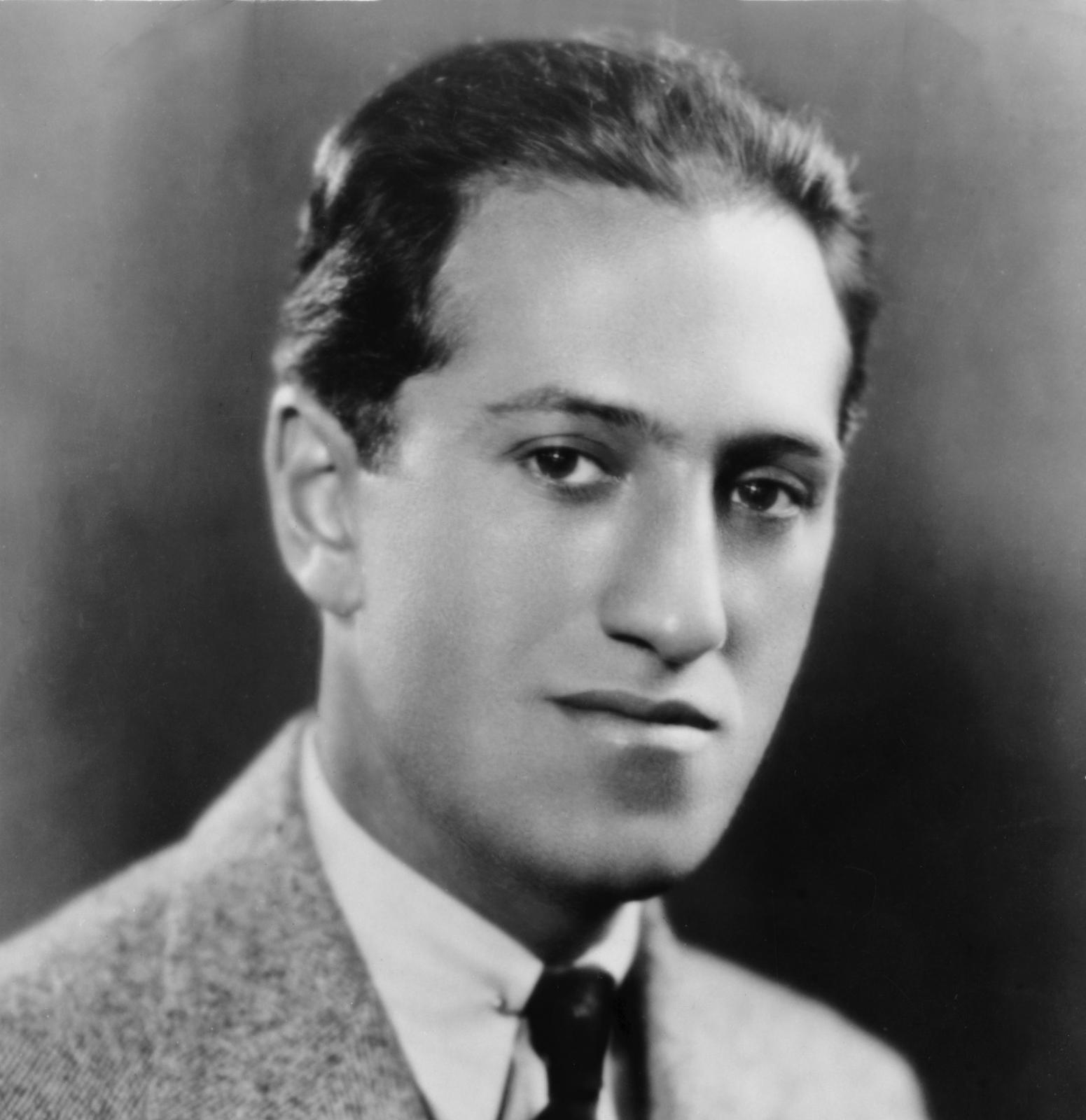
Summertime is an aria composed by George Gershwin for the 1935 opera Porgy and Bess. He wrote the stage musical with his brother Ira and the author DuBose Heyward. Initially a commercial failure, Porgy and Bess is now considered one of the most important American operas of the twentieth century. Currently, there are over 25,000 recordings of Summertime. In September 1936, a recording by Billie Holiday was the first to appear on the American pop charts.

George Gershwin

George Gershwin


Summertime

George Gershwin / DuBose Heyward / Ira Gershwin

Summertime,
And the livin’ is easy
Fish are jumpin’
And the cotton is high

Oh, Your daddy’s rich
And your mamma’s good lookin’
So hush little baby
Don’t you cry

One of these mornings
You’re going to rise up singing
Then you’ll spread your wings
And you’ll take to the sky

But until that morning
There’s a’nothing can harm you
With your daddy and mammy standing by

Summertime,
And the livin’ is easy
Fish are jumpin’
And the cotton is high

Your daddy’s rich
And your mamma’s good lookin’
So hush little baby
Don’t you cry


The Alberta Floods: A Cancer Patient’s Perspective

On June 20-21, 2013, approximately one week after my publication of this idyllic tribute to summer, the unthinkable happened. Southern Alberta experienced what is undoubtedly the most devastating flood in its history. I watched as floodwater swamped Calgary, Alberta’s largest city, displacing tens of thousands of people and forcing the evacuation of the downtown core. The flood impacted hundreds of cancer patients, as some local hospitals and cancer treatment centres had to be evacuated and temporarily closed.

8840474I was impressed with Alberta health officials as they mobilized to handle the crisis quickly and efficiently. The Holy Cross cancer treatment site in Calgary came under evacuation notice, an emergency that saw all cancer care clinics for new patients relocated to the Tom Baker Cancer Centre in the city’s northwest. Meanwhile, to ensure continuity of care all existing cancer patients with appointments at the Holy Cross were assessed and then contacted. Several small communities had their health services profoundly affected. In the immediate wake of the disaster, patients from the flood-devastated town of High River had to be referred to cancer centres in Lethbridge, Calgary and Red Deer for treatments they normally receive at their local hospital.

Ottawa Cancer Survivor Redefines Beauty

Kelly Davidson’s photos go viral on the Internet

o-KELLY-DAVIDSON-MASTECTOMY-PHOTO-570

In my introductory blog post, Survivorship 101 published in January, I introduced the concept of “embracing the new pretty” in the wake of my uterine and ovarian cancer. Basically this involves trying to come to terms with the physical changes to my body due to cancer treatments, an issue that all women who have had a major cancer diagnosis experience. For many survivors the changes can be profound and emotionally devastating. In the event of uterine or ovarian cancer, transformations to a woman’s body will typically include a permanently and severely scarred abdomen as well as the removal of her internal reproductive organs. Meanwhile, breast cancer patients face mastectomies, biopsies or lumpectomies. Embracing the new pretty involves accepting these physical changes and also questioning our culture’s popular notions about femininity and beauty. In my opinion, an Ottawa woman has exemplified my concept and taken it to a new level!

Kelly Davidson, 34, has battled three bouts of cancer. After surviving Hodgkin’s lymphoma, breast and thyroid cancers she had a double mastectomy and opted for a tattoo instead of reconstructive surgery. Davidson caused quite a stir recently when she posted photographs of her chest on the Internet, she has gained notoriety and been interviewed by such media outlets as the Toronto Star and the CBC. She is proud of her chest. Much of the surface between her collarbone and ribs has been transformed into an intricately inked enchanted forest, complete with beautifully drawn butterflies and a fairy releasing them into the sky. The tattoos cover the surface where her breasts used to sit, now removed to make sure her breast cancer never returns.

When it came time to consider reconstructive breast surgery, Davidson knew precisely what she wanted—and that didn’t involve a new pair. Rather than get reconstructive surgery, she opted for a tattoo. She had already been inked a few times and chose a fantasy scene with butterflies to symbolize the cancer leaving her body. “I decided to turn this negative thing into a positive, and put a beautiful piece of artwork in place of something that to a lot of people is really devastating,” Davidson says. “They were just breasts. They weren’t me—I don’t need to have breasts to be feminine or sexy,” she recently told the Toronto Star.

Taste in tattoo artwork is highly personal and individual, Davidson envisioned herself sporting a tableau that would include butterflies, creatures to represent the cancer retreating from her body for good. Proud of the finished result, she uploaded a photo of her chest to Why We Ink, a Facebook group dedicated to sharing images of those who have gotten tattoos inspired by the fight with cancer. Some of these tattoos are body mosaics, like Davidson’s, to symbolize beauty where there was once the threat of death. Others post pictures of their tattoos that honour loved ones who weren’t as fortunate.

“It’s my badge of honour and strength,” Davidson writes of her tattoo on Facebook. “It reminds me every day of the battles that I’ve overcome. I’ve won this war and hopefully I’ve beat it completely. My tattoo symbolizes a transformation, my metamorphosis, like a butterfly I changed on the outside but remained the same on the inside,” she explains.

Since uploading her photo to Facebook, Davidson’s image and story have gone viral, generating more than 700,000 “likes” and receiving 95,000 shares across the social media site. And so far, Facebook’s arbitrary nudity police have left the image up, many believe that this is a definite improvement over the furor caused when they removed a similar image of a tattooed cancer survivor’s bare chest in February. Whether the image stays put or not, Davidson has already derived great satisfaction from the messages of love and support that have poured in as a result of her bravery, strength and vulnerability. She plans to carry that strength forward this summer as she weds her fiancé, all the while knowing that her cancer could return.

I don’t have any plans to have my stomach tattooed in the near future, but I have great respect and admiration for Kelly Davidson. She stands as an inspiration to women who are fighting breast, ovarian or uterine cancer.

Kelly-Davidson

Kelly Davidson’s chest is a work of art.

Living With the Risk of Recurrence

For me personally, the greatest stress of living with cancer has involved making difficult medical decisions regarding my course of treatment. There is also the constant pressure of waiting for outcomes that I cannot completely control. When I was diagnosed with endometrial and ovarian cancer in late 2011, I was referred to the Tom Baker Cancer Centre where my case was reviewed by the Gynecologic Oncology Tumour Board. This team of doctors and specialized pathologists reviews all new referrals to ensure correct diagnosis and to recommend the best treatment plan. Almost instantly I became the patient of one of Western Canada’s most renowned pelvic cancer surgeons, Dr. Prafull Ghatage. I’ll never forget our first encounter with Dr. Ghatage, as my mother and I sat in stunned silence, he calmly explained that I required surgery as soon as possible. This news was overwhelming, especially since I had just undergone a total abdominal hysterectomy performed by my gynecologist. “I just had a hysterectomy and now I’m dying of cancer,” I tearfully blurted out. “You’re not dying, I’ll inform you if you are dying,” a voice immediately responded. These rational words jolted me back to reality, and before we left I signed a consent form for a laparotomy—a specialized procedure in which abdominal organs are removed, biopsied or repaired and a definitive diagnosis can be made.

That first meeting with Dr. Ghatage now seems like a lifetime ago. In a few weeks I’m scheduled for another routine checkup at the cancer centre. It’s essential that I be monitored regularly for a possible recurrence or any signs of malignancy—ovarian cancer has a notoriously high recurrence rate. Many women with the disease face at least one recurrence within five years of their first diagnoses. Since my cancer is considered to be fairly advanced, the standard course of treatment that was recommended included a month and a half of radiation therapy. Originally over twenty rounds of external beam radiation were advised and were to follow my cycles of chemotherapy. My understanding is that following through with this proposal might have reduced my odds of recurrence to as low as five or 10 per cent.

Last fall I made the excruciatingly difficult decision to forego treatment with radiation, opting for observation instead. The risks of pelvic radiation include the possibility of rectal bleeding—in addition some patients will experience a bowel blockage or a permanent change in bowel habits after their treatments are finished. In some cases undergoing radiation can result in bowel or bladder damage serious enough to be permanent or to require surgical intervention to correct. For most cancer patients the benefits outweigh these serious risks, which are comparatively small. But due to my personal medical history it’s almost certain that radiation would have posed a substantial danger. The radiation oncologist informed me that due to my previous bowel blockage the possibility of acute complications occurring would be much higher than average. Besides, I was undeniably exhausted from three consecutive abdominal surgeries in addition to five cycles of Carboplatin, at the time I felt I could endure little more.

simulator

As I await my appointment on May 23, the encouraging news is that I’m currently in remission—at least I am to my knowledge—and my chances of a complete cure are better the longer I remain in this state. The Canadian Cancer Society defines remission as a decrease in or disappearance of signs and symptoms of cancer. In partial remission, some, but not all, signs and symptoms of cancer have disappeared. In complete remission, all signs and symptoms of cancer have disappeared, although cancer still may be in the body. According to Ovarian Cancer Canada, 80 per cent of women diagnosed with ovarian cancer will achieve remission. However, it is unknown if the cancer will come back or how long before it comes back. These unanswered questions linger in every woman‘s mind. In the meantime, I’ve made my health my primary focus—a nutritious diet, an appropriate exercise routine and getting enough sleep have never been more important. Obviously I’m careful to take my daily medication; I’ve been prescribed the drug Megace (generic name megestrol), it has been known to reduce recurrence rates in uterine, ovarian and breast cancer patients. Finally, hope and my steadfast determination to live each moment of my life fully and completely remain my allies in this dreadful waiting game.

50eb27d44683b9c588386c68616f