2026 Finding Peace Amid the Chaos

Prayer for Uninteresting Times

Send me a slow news day,
a quiet subdued day,
in which nothing much happens of note,
save for the passing of time, 
the consumption of wine, 
and a rerun of Murder She Wrote.

Grant me a no news day, 
a spare-me-your-views day.
in which nothing much happens at all,
except a few hours together
some regional weather,
a day we can barely recall.

Brain Bilston

In a year that has already commenced with unrelenting headlines and breaking news, the desire for uneventful days is quietly powerful. As I face a chaotic world and uncertain new year, I feel a yearning for slower moments, for the gentle routine of an ordinary day,The unending march of technological advancements, coupled with the political and economic turbulence that has come to define the twenty-first century, can feel exhausting. For those of us who’ve survived cancer, confronting a constant barrage of war, human suffering, and authoritarianism is especially daunting. The challenges of recovery and resilience are compounded by the pace of change and uncertainty in the world at large. 

The longing for uneventful days is, for me, a search for stability and comfort, a quiet plea to be allowed a moment of stillness in the whirlwind. Sometimes, finding peace—however fleeting—becomes an act of courage. As we begin this year, I’d like to offer some advice to cancer survivors who may be feeling particularly overwhelmed by their personal challenges while living with the stress and confusion of the existing world order. 

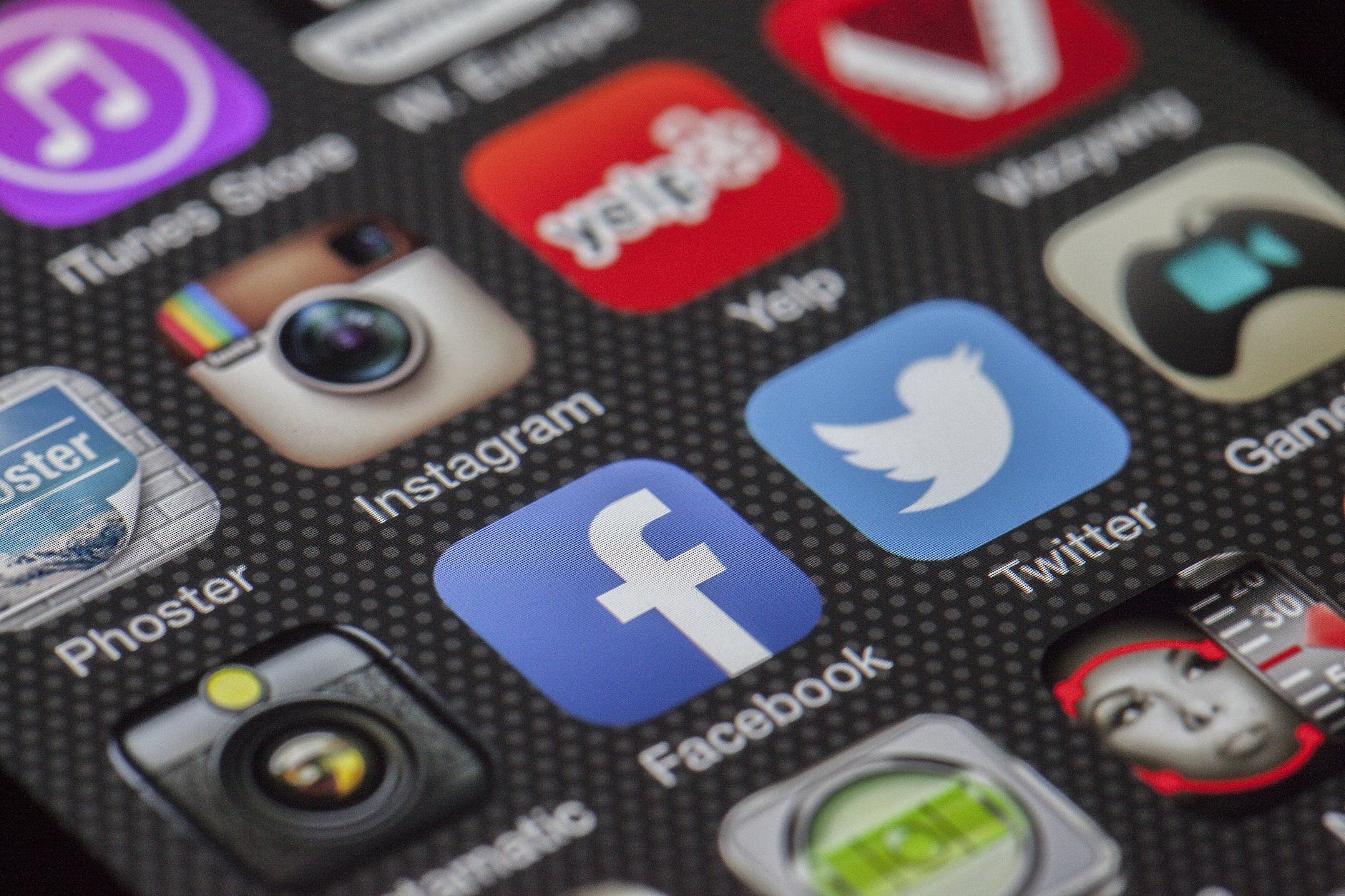
First, remember to take frequent breaks from social media as well as from television and other legacy media news. A social media break involves temporarily reducing or eliminating the use of social platforms to improve mental health, reduce anxiety, and boost focus. Some studies have revealed that 3–7 days off from social media can significantly lower stress, FOMO (fear of missing out), and depression while fostering better in-person connections and improved sleep. 

A 2022 research study asked 154 participants (average age of 29.6 years) to either stop using social media for one week (Facebook, Instagram, Twitter, and TikTok) or to continue using it as usual. The group who took a break from social media experienced significantly reduced anxiety and depression, along with greater well-being. Among university students, one study of 555 participants showed that a one-week break from social media meaningfully decreased stress levels, especially for people who used it excessively.

Another important rule is to direct your attention toward aspects of life that are within your control. It’s easy to become preoccupied with situations or individuals that lie outside your sphere of influence, especially when the world feels chaotic and unpredictable. This tendency can be particularly pronounced for those of us diagnosed with cancer, as the experience brings most of us intense feelings of helplessness and uncertainty.

Throughout my own cancer journey, I’ve learned that the only true authority I possess is over myself—my thoughts, my actions, and my reactions. When I consciously focus on what I can manage I feel more powerful and at peace, The fundamental paradox for me is that I’m sometimes in chaotic situations where I feel a sense of power, combined with courage and self-assurance. It’s as if I’m standing in life’s category 5 hurricane and remaining steadfast and unbroken.

Finally, to find inner peace amid chaos it’s important to keep your mind on the present moment and not dwell on things that have already occurred or that might happen in the future. If you start paying attention to where your mind is throughout the day, you’ll find that considerable amounts of your time and energy are expended in clinging to life’s memories or regretting unfortunate things that have already happened and that are over. You’ll also discover that excessive energy is expended in anticipating, planning, worrying and fantasizing about the future and what you want to happen or don’t want to happen.

I’ve learned that one of the best ways to quiet my mind and focus my attention is a technique called mindfulness. Jon Kabat-Zinn pioneered using this method with cancer patients and other groups battling chronic pain or illness at the University of Massachusetts Medical School. Mindfulness is basically just a way of paying attention, a way of awakening our minds and being present in the here and now. With principles found in Buddhism, mindfulness teaches us to be fully aware of moments in each day rather than focusing on what might lie ahead.
Defeating Cancer Misinformation

I know what it’s like to be diagnosed with a terrifying, complex, and potentially life-threatening medical condition — I’m an 11-year survivor of endometrioid adenocarcinoma. When I first learned that cancer had invaded my body, I was shocked and devastated. There was also the concern that as a newly diagnosed patient I had insufficient knowledge about cancer, or more specifically gynecological cancer. I’d never even heard the term endometrioid adenocarcinoma, so I knew next to nothing about my disease or how it would be treated. But then when I struggled on my own to find information or to learn more, I was often confused and felt overwhelmed. 

I discovered, much to my dismay, that those of us searching for information about cancer are buried by an avalanche of false claims, from well-meaning but dangerous advice to callous exploitation by charlatans. I was at the most vulnerable point in my life and I felt disillusioned, especially by much of what I was exposed to online or on social media. 

One 2016 report found that more than half of the most widely shared cancer articles on Facebook consisted of medically discredited claims. A more recent study examined the 50 most popular social media articles on the four most common types of cancers. The review found dangerous misinformation in more than 30 per cent of the articles analyzed and, perversely, that these articles garnered more online engagement than factual articles.

I’ve made it one of my personal goals to help fight the abundance of misinformation that is present regarding cancer. Misinformation in the form of dangerous half-truths and lies is often spread uncontrolled, either through deliberate malice or woeful ignorance. As a cancer survivor, I have particular distain for individuals, groups or organizations that deliberately attempt to exploit our vulnerability—it’s morally repulsive that they endeavor to benefit from our plight. We as cancer patents have access to millions of informational resources, but we’re forced to remain ever vigilant as we try to distinguish facts from a tide of lies and falsehoods.


How to Recognize Cancer Quacks

Use these important guidelines for spotting all categories of misinformation online.

  • Consider the primary source. Click away from the story you are reading to investigate the complete website, its mission and its contact information.
  • Read beyond the link or the first few lines of an article. Sometimes headlines can be outrageous in an effort to get clicks. What’s the whole story?
  • Confirm the author is reliable. Perform a quick search to get information on the author. Are they credible? Are they real?
  • If an article has listed supporting sources you should investigate by clicking on those links or searching for the sources. Determine if the source material that is given actually supports the content of the story.
  • Check the date. Reposting old news stories doesn’t mean they are still relevant to current events. New details or updated evidence on a topic are always emerging.
  • Is it a joke? If it is too outlandish, it might be intended as satire. Research the site and author to be sure.
  • Biases can influence how someone responds to an article, so consider if your own beliefs or perspective could be affecting your judgement. Remember that most social media platforms suggest stories that match a person’s interests, opinions and browsing habits.

I still believe that ultimately the ability to access health information online is important and empowering and helps patients be proactive in their own care. But because so much information is now available, the burden of deciding what is true or false is increasingly falling on individual consumers, in this case cancer patients and their loved ones. 

Health care professionals, research and health care organizations, government agencies, as well as technology and social media companies all need to take more responsibility and play a role in addressing the problem. They must try to help individuals be more critical consumers of information. To this end, many consumer and patient advocates argue that social media and health literacy opportunities should be incorporated into the K–12 and college curricula.

Fortunately, there are lessons that can be learned by the cancer community from interventions to counter scientific conspiracy theories, especially efforts to counter antivaccine propaganda. Previous studies indicate that improved communication of the scientific consensus can overcome some popular conspiratorial thinking on a wide variety of topics, from vaccines to climate change. 

We can take the “hidden” cure for cancer narrative as one example. The scientific and medical communities can counter this narrative by explaining that, far from being a monolithic entity, cancer is not one illness but an entire family of more than 200 diseases. Furthermore, these illnesses differ greatly between tissue type and even individual. How these malignancies respond to different interventions varies hugely, rendering the idea of a single “magic bullet” for all these myriad types exceptionally unlikely. The benefit of this approach is that it takes concerns seriously while still showing the concerns to be unfounded, ultimately improving understanding.


Sources 

David Robert Grimes; The Struggle against Cancer Misinformation. Cancer Discov 1 January 2022; 12 (1): 26–30. https://doi.org/10.1158/2159-8290.CD-21-1468

Elia Ben-Ari; Addressing the Challenges of Cancer Misinformation on Social Media. 9 September, 2021; published by the National Cancer Institute.

FactCheck.org’s 2016 article How to Spot Fake News