Respecting the Person Behind the Cancer Diagnosis

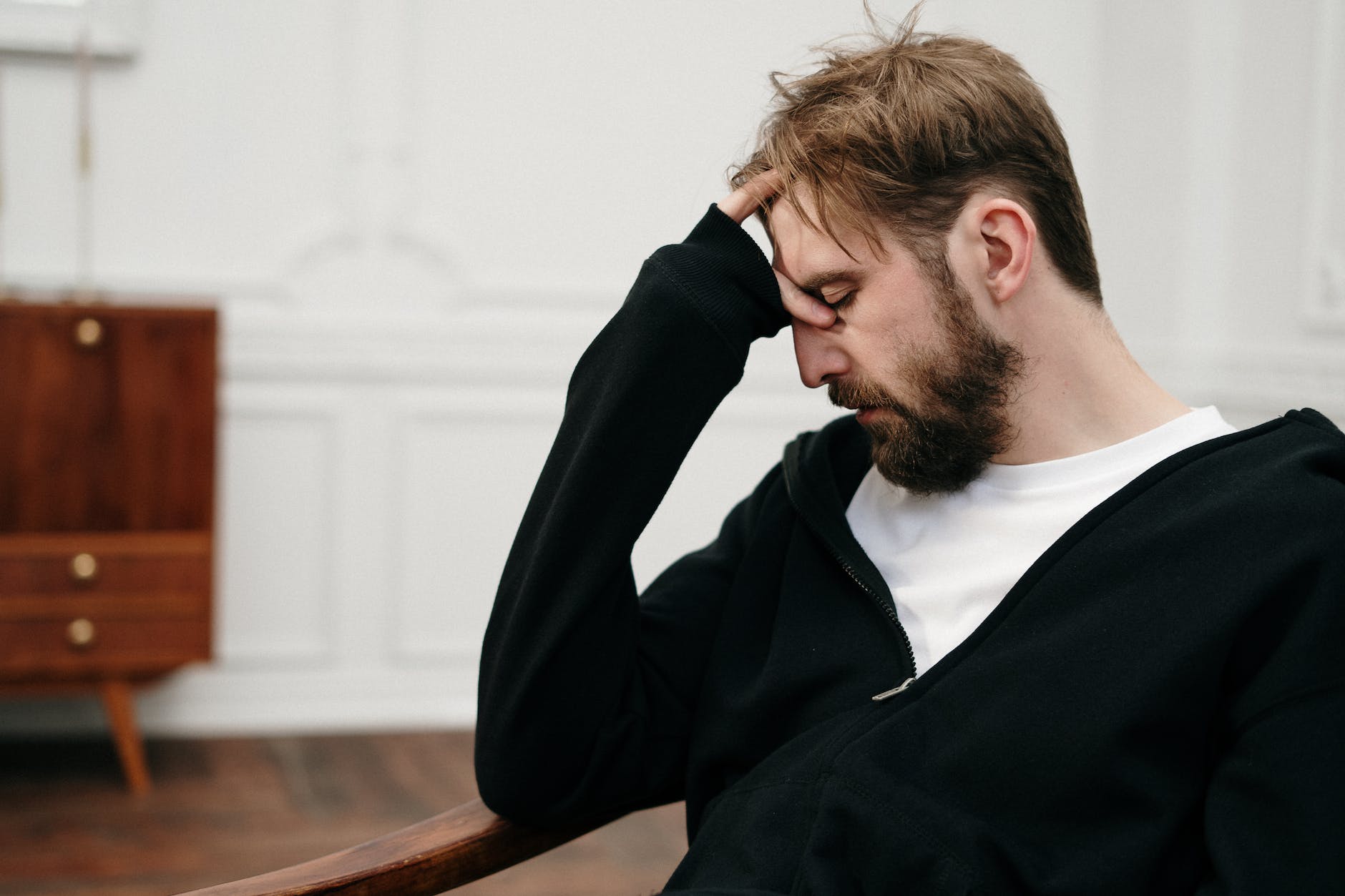
One theme that I’ve discussed in The Teal Diaries before is identity, both self-identity and how we’re perceived by others. Sometimes the health care system and the medical establishment are especially challenging to our mental health—we are made to feel anonymous and are often reduced to nothing more than numbers or charts, it hurts that we are being robbed of our individualism. I was personally made to feel an acute lack of identity when some nurses and hospital workers didn’t call me by my correct or preferred name. Their error would stem from the fact that I’ve always been called by my legal middle name, and not my first like most people. 

Loss of identity is the heart-breaking reality for many cancer patients as we find ourselves navigating the hospital or other medical institutions. We feel ourselves diminished and our individual worth slipping away. As patients much of our privacy and control is essentially gone, on a hospital unit we must wake when we are told, wear what we are told and eat what we are told. Often, we don’t have the luxury of a private room, we must share a room with whomever, they say we have to. 

In his classic New York Times bestseller Being Mortal: Medicine and What Matters in the End, Atul Gawande examines identity and how it’s often diminished for residents of hospitals and nursing homes. The author, a medical doctor, uses case studies and also discusses the reality of chronic illness and ageing within his own family. Gawande writes that the battle of being mortal is the battle to maintain the integrity of one’s own life—to avoid being so diminished or dispirited or subjugated that who you are becomes disconnected from who you were or what you want to be. 

One of the most significant mental health issues that I’ve recognized, both in myself and other cancer patients, is what the disease does to our self-identity. It’s as if we have to fight to remain ourselves after we are diagnosed with cancer. There are days when I feel caught in the middle of something. Although it’s true that ovarian cancer has substantially influenced my lifestyle, and to some extent how I view the world, it’s not all I am—I’ve struggled to make even those closest to me understand this paradox. It’s difficult to explain that while my self-identity is not entirely unchanged, I will always remain so much more than a cancer survivor or an oncology patient.

Regrettably, over the course of my journey, I’ve learned that our society still has misperceptions about chronic illnesses, such as cancer. and that there is still indignity for those of us living with such conditions. For instance, one family friend became rather reclusive when she was informed that I was going through cancer treatment and behaved as if a cancer diagnosis might be contagious. She further assumed that all chemotherapy patients lose their hair and immediately offered to loan me an old wig she had. 

But then, this legacy isn’t surprising considering the profound fear, confusion and stigma surrounding cancer for centuries. Until relatively recently the word was hardly spoken in public or said out loud. It’s no wonder that some of us living with cancer still choose to avoid revealing our illness to anyone outside of our inner circle of family and close friends. We don’t want to be viewed differently—we just want to be normal, not defined by the disease. 

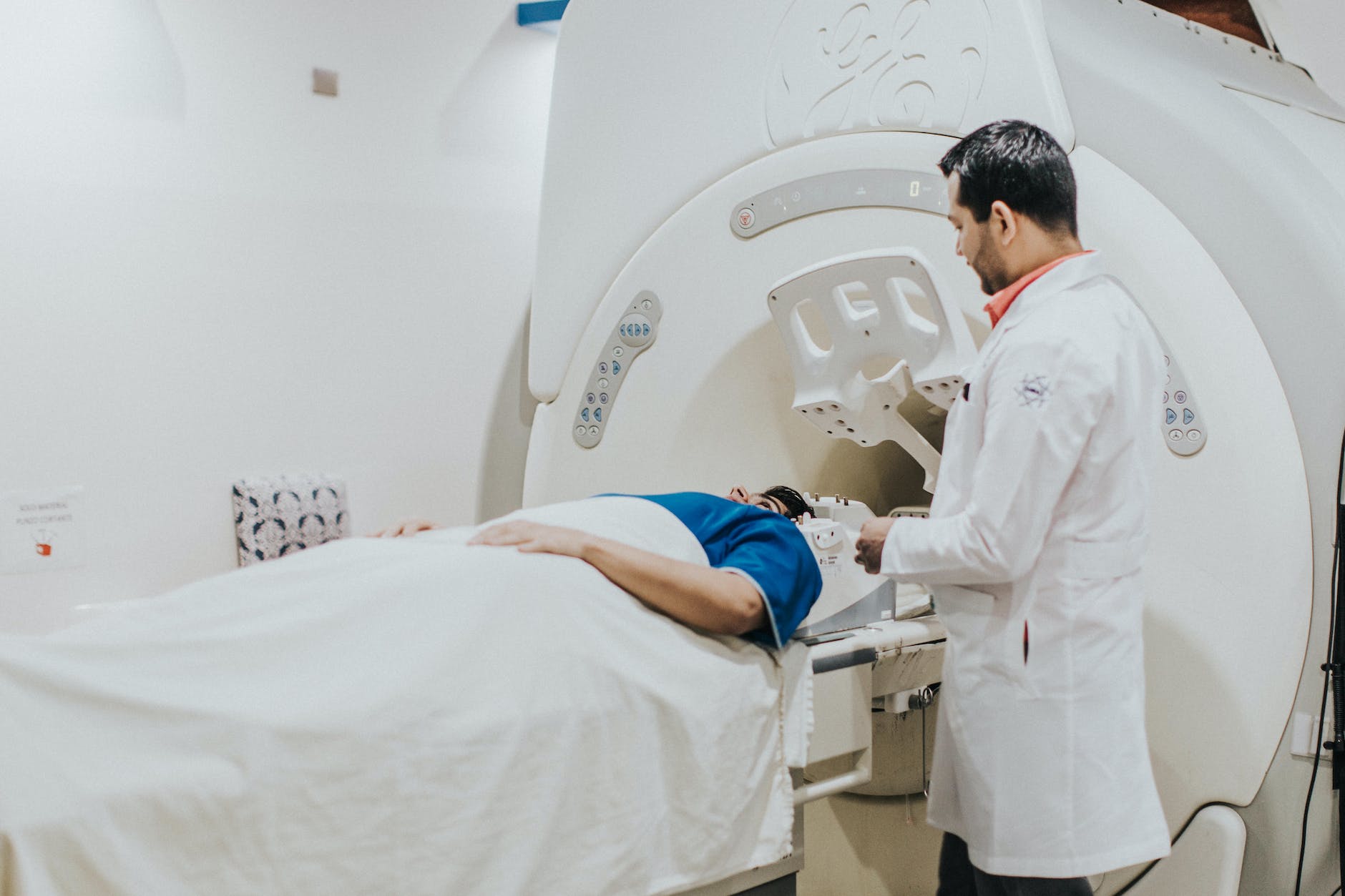
Lene Andersen is a health and disability advocate living in Toronto. She’s lived with rheumatoid arthritis since she was four years old and now uses her experience to help others with chronic illness. I was encouraged by some of Andersen’s advice in a recent article she wrote for HealthCentral, a website aimed at people with chronic or serious conditions. In her piece, Feeling Like a Cog in the Healthcare Machine? We Get It. Anderson shares tips about how to get doctors and other members of your health care team to see you as a person, not just a patient. She recommends the following four strategies to help strengthen your relationship with health professionals:

Empower yourself. Remember that you have ultimate power and control over your life. In particularly intimidating situations, like being tended to by a senior doctor trailing a group of medical-school residents, feeling in control will understandably require more effort. Repeating a phrase like “nothing about me without me” in your mind might help you to sit taller and find the power to speak up instead of shutting down in front of this unexpected audience.

Be honest. It can be difficult to share some of your deepest fears and private questions with a relative stranger, but being honest with your doctor will help them develop a treatment plan that works for your situation. What’s more sharing what really matters in your life pushes you, the person, to the forefront of the discussion.

Take the lead. Coming to your appointments prepared and taking the lead emphasizes that you’re not a passive recipient of care, but an active partner, this helps to take everyone involved in the consultation off of autopilot and back to seeing you as an individual. Also if your questions have been answered and your treatment supports your life goals, you’re more likely to feel good about following your doctor’s recommendations.

Be a person to your doctor, too. Remember that your relationship with your doctor is a relationship with a person, so treat them with the same compassion and respect you would anyone else. Ask your doctors how they are doing and you’ll probably be surprised by how grateful they are for the question. You may also want to share information about your own interests, making it part of the conversation about your goals or your quality of life. Every time you chat about something other than your health, it helps build a connection with your doctor.

Another Trip Around the Sun

As a cancer survivor I have a tendency to divide my life into two parts—in my mind there’s a well-defined partition, a psychological wall separating before and after ovarian cancer struck me almost 12 years ago. The truth is none of us escape cancer unscathed, it’s a life-changing and life-altering disease. Some cancer patients even describe their experience as being reborn and staring life anew. 

Each July as my birthday aproaches I’m grateful to be alive, but also uncomfortably aware that my cancer could easily recur. The reality is that another birthday, another year on this earth, is promised to no one. This July I turn 58 and I have some advice I’d like to share, especially with people who are younger or who have not experienced any serious health issues.

  • Make an effort to appreciate each moment in life and whenever possible spend time with those you care about. I’ve witnessed far too many members of the ovarian community pass away young, some confined to a palliative care bed in what should have been the prime of their life. Sadly, I’ve also lost friends and family members prematurely due to various causes. Cherish the present, try to make today the best day possible because tomorrow is never guaranteed.
  • Stop struggling to live up to other people’s expectations, don’t sacrifice your happiness in an attempt to please them all the time. Above all get to know yourself and understand who you really are. Since my cancer diagnosis I’ve been discovering who I am, aside from the mask that I wore to fit into codependent family dynamics. Examining my past interactions with my family, I now realize that there were circumstances when I felt compelled to play a particular role in order to be loved and accepted by them.

  • Investing in yourself is always the best choice, so believe in yourself and pursue your dreams. It’s almost never too late to get that extra education, switch careers, or learn a new thing. Even in your sixties or seventies, in most cases you can still write that book, start painting or pursue your secret passion. Your future, your mental health and your overall well-being ultimately depend on you continuing to learn and grow.
  • It’s the things you didn’t experience and the goals you didn’t pursue hard enough that you’ll regret as you become older or if you become chronically ill. Go for it, whatever it is just try. Maybe you’ll make it or maybe you won’t. The result isn’t the point, your journey, your growth, is the most important issue. Don’t let anyone convince you that you shouldn’t try. Their fear is theirs, it’s not yours to carry.
  • No one thinks about you or the significance of every minor episode in your life more than you do. That mistake you made at work or that embarrassing thing you said two years ago that still keeps you up at night? The reality is that no one else involved is likely to even remember the incident, so just honour the memory and let it go. Releasing it will bring you peace of mind.
  • You’ll discover that friendships and other kinds of relationships change. Moving on from a personal or professional relationship doesn’t mean it wasn’t important, it just means that it no longer serves you. I’ve also come to realize that you don’t have to feel guilty about setting boundaries or removing toxic people from your life. It doesn’t matter whether someone is a relative, romantic interest, employer, childhood friend or a new acquaintance—you don’t have to make room for people who cause you pain or make you feel small. 

  • Remember that life isn’t fair, no matter how much you yearn for it to be. Psychologists have observed that as human beings we tend to uphold something called the just world hypothesis or just world fallacy. We cling to the idea that the world is a fair and orderly place where what happens to people generally is what they deserve. Naturally, when we suffer something unspeakable such as a cancer diagnosis, our sense of stability and our belief in a just or fair world is severely shaken—we try, but we can no longer rationalize much of what we previously thought was true. 
  • Don’t overlook the fact that in order to be respected and loved by others you must first learn to respect and love yourself. You shouldn’t feel unworthy, because you’re enough. I don’t care what your parents told you, or your teachers, or anyone else. The next time you’re having a self-denigrating thought ask yourself what you would say to someone else feeling that way. What would you tell them? Try applying this same kind of gentle guidance to yourself. Most of all, acknowledge how strong you are to have made it this far in your life. You are important, you are brave, and you are resilient.

Defeating Cancer Misinformation

I know what it’s like to be diagnosed with a terrifying, complex, and potentially life-threatening medical condition — I’m an 11-year survivor of endometrioid adenocarcinoma. When I first learned that cancer had invaded my body, I was shocked and devastated. There was also the concern that as a newly diagnosed patient I had insufficient knowledge about cancer, or more specifically gynecological cancer. I’d never even heard the term endometrioid adenocarcinoma, so I knew next to nothing about my disease or how it would be treated. But then when I struggled on my own to find information or to learn more, I was often confused and felt overwhelmed. 

I discovered, much to my dismay, that those of us searching for information about cancer are buried by an avalanche of false claims, from well-meaning but dangerous advice to callous exploitation by charlatans. I was at the most vulnerable point in my life and I felt disillusioned, especially by much of what I was exposed to online or on social media. 

One 2016 report found that more than half of the most widely shared cancer articles on Facebook consisted of medically discredited claims. A more recent study examined the 50 most popular social media articles on the four most common types of cancers. The review found dangerous misinformation in more than 30 per cent of the articles analyzed and, perversely, that these articles garnered more online engagement than factual articles.

I’ve made it one of my personal goals to help fight the abundance of misinformation that is present regarding cancer. Misinformation in the form of dangerous half-truths and lies is often spread uncontrolled, either through deliberate malice or woeful ignorance. As a cancer survivor, I have particular distain for individuals, groups or organizations that deliberately attempt to exploit our vulnerability—it’s morally repulsive that they endeavor to benefit from our plight. We as cancer patents have access to millions of informational resources, but we’re forced to remain ever vigilant as we try to distinguish facts from a tide of lies and falsehoods.


How to Recognize Cancer Quacks

Use these important guidelines for spotting all categories of misinformation online.

  • Consider the primary source. Click away from the story you are reading to investigate the complete website, its mission and its contact information.
  • Read beyond the link or the first few lines of an article. Sometimes headlines can be outrageous in an effort to get clicks. What’s the whole story?
  • Confirm the author is reliable. Perform a quick search to get information on the author. Are they credible? Are they real?
  • If an article has listed supporting sources you should investigate by clicking on those links or searching for the sources. Determine if the source material that is given actually supports the content of the story.
  • Check the date. Reposting old news stories doesn’t mean they are still relevant to current events. New details or updated evidence on a topic are always emerging.
  • Is it a joke? If it is too outlandish, it might be intended as satire. Research the site and author to be sure.
  • Biases can influence how someone responds to an article, so consider if your own beliefs or perspective could be affecting your judgement. Remember that most social media platforms suggest stories that match a person’s interests, opinions and browsing habits.

I still believe that ultimately the ability to access health information online is important and empowering and helps patients be proactive in their own care. But because so much information is now available, the burden of deciding what is true or false is increasingly falling on individual consumers, in this case cancer patients and their loved ones. 

Health care professionals, research and health care organizations, government agencies, as well as technology and social media companies all need to take more responsibility and play a role in addressing the problem. They must try to help individuals be more critical consumers of information. To this end, many consumer and patient advocates argue that social media and health literacy opportunities should be incorporated into the K–12 and college curricula.

Fortunately, there are lessons that can be learned by the cancer community from interventions to counter scientific conspiracy theories, especially efforts to counter antivaccine propaganda. Previous studies indicate that improved communication of the scientific consensus can overcome some popular conspiratorial thinking on a wide variety of topics, from vaccines to climate change. 

We can take the “hidden” cure for cancer narrative as one example. The scientific and medical communities can counter this narrative by explaining that, far from being a monolithic entity, cancer is not one illness but an entire family of more than 200 diseases. Furthermore, these illnesses differ greatly between tissue type and even individual. How these malignancies respond to different interventions varies hugely, rendering the idea of a single “magic bullet” for all these myriad types exceptionally unlikely. The benefit of this approach is that it takes concerns seriously while still showing the concerns to be unfounded, ultimately improving understanding.


Sources 

David Robert Grimes; The Struggle against Cancer Misinformation. Cancer Discov 1 January 2022; 12 (1): 26–30. https://doi.org/10.1158/2159-8290.CD-21-1468

Elia Ben-Ari; Addressing the Challenges of Cancer Misinformation on Social Media. 9 September, 2021; published by the National Cancer Institute.

FactCheck.org’s 2016 article How to Spot Fake News

Healing Through Words: CanLit and Cancer

In my recent blog post Reading Through Cancer, I underscored the importance of books and literature and how these have helped me to cope with my cancer diagnosis. In this post I’d like to celebrate literature that is Canadian, or CanLit for short. I like it when this genre is defined simply: “CanLit is writing by people connected to this country (Canada), by birth or residence, and a dialogue between author and reader.” In my case I think the relationship I have to my country’s literature is quite complex, I’m a Canadian, a woman and a cancer patient. My personal interpretation of Canada’s books and authors is uniquely shaped by all three of these viewpoints.

I found a wonderful example of this fusion recently when I was reading Scars & Stars, a book of poetry by Canadian author Jesse Thistle. Jesse Thistle is Métis-Cree from Prince Albert, Saskatchewan, he’s the author of one autobiographical book, From the Ashes, in addition to his published collection of poems. In both, Thistle writes about his struggles, particularly his battle with addiction. He candidly depicts his past life, often giving vivid details about his existence on the streets and in prison. 

While I’ve never lived in homeless shelters and cannot fully view the world from an Aboriginal man’s perspective, there are still certain aspects of Thistle’s writing that resonate with who I am and what I’ve experienced. I know what it’s like to have cancer, to be relatively poor and to be a middle-aged woman. When he writes about being extremely sick or in physical pain, I can relate to his suffering. When he writes about feeling invisible, ignored or being on the margins of society, I’m connected to that on some level as well.

One poem from Scars and Stars that had an extraordinary impact on me when I read it is called Oncology Ward, it focusses on Thistle’s bedside visit to his grandmother when she was dying of cancer. At the time he was on strict probation and living in a rehabilitation centre or halfway house. The visit was difficult to arrange, but Thistle knew that it was probably the last chance he would get to go see his grandmother, the woman who had raised him. With the assistance of a friend the barriers were surmounted and he was taken, one final time, to see her.


Oncology Ward 

I sit on your deathbed, Grandmother.
You’re gaunt
with eyes sunken in
hollow cheeks
orbital and mandible bones sticking out
as you chew your food.

You don’t look as well now,
at the end of winter’s season.
That eternal sun that lit up your youth
has set behind old age.

Your hospital gown hangs
like wind-torn sea sails
strewn across storm-broken masts.

But there’s defiance left in you,
a glowing ember
a spark
a flicker
a flame.

“Have courage, dear grandson,” you said, your eyes
meeting mine,
“we’ll beat this cancer yet.”

Many years after it took you,
a part of me still thinks you can beat it.
A part of me knows that you did.

Jesse Thistle


That last visit to speak to his grandmother on the oncology ward was one of the most important moments of Jesse Thistle’s life. It was then that he promised his grandmother that he would return to school and get a post-secondary education. He promised her that he would turn his life around. Looking back, he says that one heartfelt pledge that he made has guided him in all his current success, through all the peaks and valleys of rebuilding his life. Today Jesse Thistle is a husband and father, as well as an assistant professor of humanities at York University in Toronto.

We Can’t Pretend It Didn’t Happen

Covid was, and still is, a global tragedy – yet three years into this pandemic I rarely hear people discussing its lasting impact on humanity. It wasn’t long ago that the novel coronavirus and the threat that it posed consumed our daily newscasts, I watched as briefings from government officials occurred almost daily and we cheered for the doctors and nurses working to the point of exhaustion on the front lines. The most important question now is why aren’t we talking about it anymore?

On the surface many low risk and younger people have resumed their pre-pandemic lives. In the three years since COVID-19 was designated an emergency by the World Health Organization, workers have begun to go back to the office, public health restrictions have lifted and masks are no longer mandatory in most places. For many people there is relief and their lives are starting to resemble the pre-pandemic reality.

But in my opinion, there is now a collective sense of denial, a denying of the suffering that occurred and of the approximately 7 million lives that have been lost globally. At the beginning of the pandemic we were “all in this together” as we faced grief, fear and uncertainty. It was impossible to deny the crisis as we all watched the chaos unfold around us. Our work, health-care, education and economic systems, all of these vital systems we depend on, became destabilized.

I think most people are currently determined to put the trauma in the past and move on. It’s interesting to note that this burying of communal grief happened with Spanish flu, too: Laura Spinney’s book on the 1918 pandemic describes the “collective forgetting” and the absence of official memorials. It was, Spinney explains, remembered “personally, not collectively … as millions of discrete, private tragedies”. Nevertheless, the Spanish flu was as significant – if not more so – as two world wars in shaping the modern world. The 1918 pandemic is now recognized for disrupting, and often permanently altering, global politics— it also transformed race relations, family structures, and thinking across medicine, religion and the arts.

I see history repeating itself with our current pandemic—society in general is enormously reluctant to acknowledge the magnitude of what we’ve been through or to accept that it continues to affect us. Like many cancer survivors, I don’t have the luxury of living in denial, I worry that COVID-19 is still not considered endemic by the Word Health Organization and that I could be vulnerable if I catch the virus. Three years later I’m still not able to resume my pre-pandemic life, I don’t attend public activities without assessing my risk or taking precautions.

What I hope the future will bring.

Although vaccinations, treatments, and prior immunity have made COVID less dangerous for most people, there are still individuals who remain vulnerable, those most in danger are seniors or anyone with a chronic health condition. Ending the COVID-19 public health restrictions has actually made navigating life harder for various groups like cancer patients and the immunocompromised. To me it’s also unfair that most of the burden of COVID-19 advocacy has fallen to us—I’m proud of our small determined alliance that includes cancer patients, those with long covid and those who have lost family members.

In the future I want governments and elected officials to take more responsibility for advocating as they make COVID-19 mitigation a higher priority. Polls suggest that voters don’t particularly care about COVID-19 anymore, but it really needs to be science, not polls, that guides public health. As COVID restrictions were lifted and the pandemic was put on the back burner, in some cases the death toll rose. According to statistics released by Health Canada, 2022 proved to be the deadliest year of the COVID-19 pandemic in Canada. Almost 20,000 Canadians died from COVID-19, that’s close to a 30 per cent increase in fatalities compared to 2021.

I agree with scientific experts that the ability to control respiratory illnesses will be dependent on our ability to improve air quality. This includes measures such as CO2 monitors and air filtration devices. The airborne nature of COVID-19 is a fact not up for debate, the inability of our governments to state that categorically is, I would argue, politically based. Acknowledgement of that fact would make them culpable for their inaction on measures.

As a cancer survivor and someone who remains more vulnerable than most, I’m concerned that governments are gradually giving up their responsibility for protecting us from the virus. I worry that as the emergency winds down, it’s become more challenging to access medical services like free vaccines, COVID-19 tests, and telehealth care. In the United States there’s concern that in the future continued access to these COVID interventions might depend on the individual’s health insurance status.

Going forward, action must also be taken to address the millions of citizens who remain ill or disabled due to COVID, I notice a reluctance by officials to talk about the phenomenon of long covid—there is growing scientific evidence that some patients who have apparently recovered from the virus will face life-long health issues or chronic disabilities. Ultimately, there must be social, medical and financial supports made available to these unacknowledged victims of the pandemic. 

How to Embrace a New Year 

I’m not the type of person who makes New Year’s resolutions, and my reluctance has been even more apparent since my cancer diagnosis. However, I still view the beginning of each year as a unique opportunity. The annual holiday season and the beginning of another year can be a crucial time to take stock of what’s truly important in your life. If living with cancer and navigating through a global pandemic have taught me anything, it’s that I can’t take hearth or wellness for granted. I’ve ultimately learned to make my physical and mental health a priority, I recognize that it’s okay to focus on myself rather than always trying to please the people around me.

Here is my advice for other cancer patients as we enter 2023.

  • Have some sort of plan for 2023, even if your immediate goals seem relatively small to you in the grand scheme of things. If you’re undergoing cancer treatment, or currently recovering from surgery or chemotherapy, planning an entire year will be extremely daunting. I believe the underlying problem is that when bad things happen that we can’t control, we tend to focus on all the things we can’t change. Try to focus on what you can control; what can you do to help yourself (or someone else) this year? For example, you could join a new support group in 2023, start a new hobby or plan to become a volunteer at your local cancer centre.
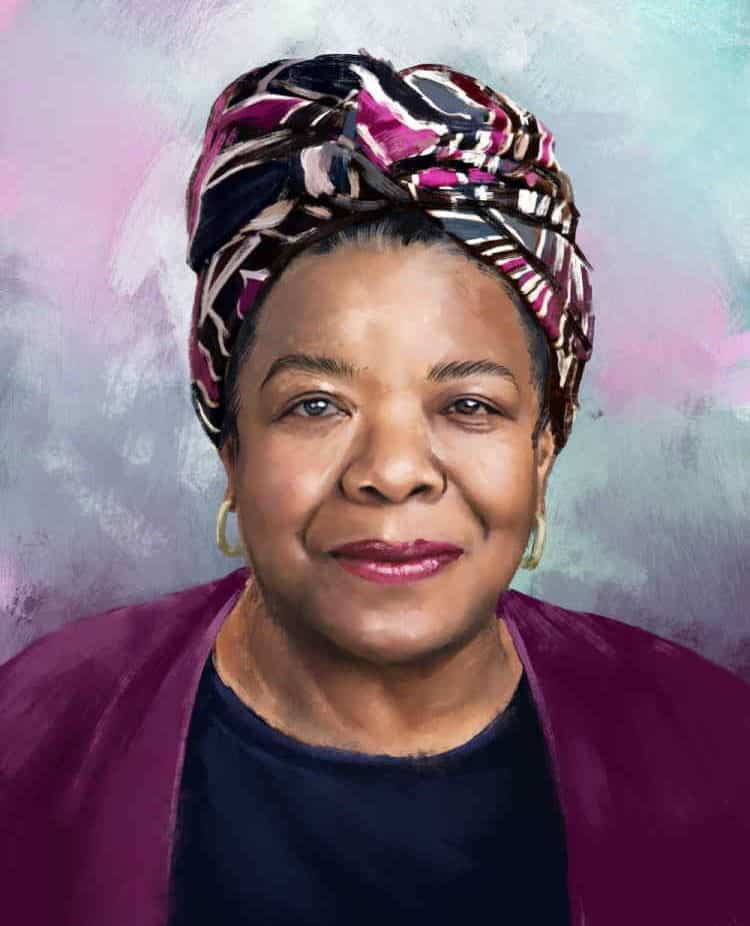
  • Always try to remain hopeful even if the present appears bleak. Sometimes I remember the words of Maya Angelou (1928-2014) the American author, screenwriter, poet and civil rights activist. She said, “I can be changed by what happens to me. But I refuse to be reduced by it.” Challenges like cancer happen in life, and there is no denying the fact that a cancer diagnosis can radically alter our path or change the life we might have lived. But no matter our circumstances as cancer survivors, we can refuse to be reduced, or made less, by them.
Photo by Andrea Piacquadio
  • Establish your own priorities and don’t let other people set your agenda. For me one of the worst things about having cancer is the unsolicited advice I receive from family, friends, and sometimes even strangers. I’ve certainly felt high levels of frustration as people try to inform me how to live my life or deal with my disease. Like most cancer patients I was particularly vulnerable to the influence of these pundits in the months following my diagnosis. After a decade of being offered personal as well as medical advice, caution and scepticism have become almost second nature to me. I inherently ask myself where is this information or recommendation coming from? Precisely who is telling me this, is the source an acknowledged expert in their field? Is what they are saying accurate, or could what they’re communicating contain a self-serving bias?
  • Know who you want in your life and don’t be afraid to establish personal boundaries. Many psychologists argue that the most important choice you’ll ever make in life is the people you surround yourself with. Since my cancer diagnosis I’ve basically developed zero tolerance for having toxic people in my life. I’ve also become more sensitive to the characteristics of harmful people and how they mistreat those around them. I now choose to avoid such individuals whenever possible, it’s been said that “You can’t change the people around you, but you can change the people around you.” Meaning, we can’t force others to change, but we can surround ourselves with more supportive relationships.
  • Love yourself and remember that you are worthy. Like many people, I’m often my own worst critic, I sometimes overlook the fact that in order to be respected and loved by others I must first learn to respect and love myself. The next time you believe that you’re a failure or not worthy, consider one important question. If your best friend or loved one was having the same negative thought as you, what would you tell them? Try applying this gentle guidance to yourself. Most of all, acknowledge how strong you are to have made it here. You are important, you are brave, and you are resilient.

Reading Through Cancer

Photo by Ivo Rainha

With a bustling holiday season and another long winter both nearly upon us, I’ve decided to devote this post to the theme of literature and reading. For me books are like wonderful companions that help me through the dark, cold months. In addition, I often enjoy giving them as gifts to some of the people who are closest to me. 

While I’ve always loved reading, I never expected how much this passion would guide me through my cancer journey. In times of crisis books have helped me to feel more connected to other cancer survivors and to other human beings in general. The American literary icon James Baldwin put his feelings this way.

“You think your pain and your heartbreak are unprecedented in the history of the world, but then you read. It was books that taught me that the things that tormented me most were the very things that connected me with all the people who were alive, who had ever been alive.” 

Here are a few of the books (both fiction and nonfiction) that have helped sustain me when I felt the fear, uncertainty or loneliness of living with an ovarian cancer diagnosis.

Full Catastrophe Living by Jon Kabat-Zinn

Originally published in 1990, this book has been through numerous editions, the author explores the role of mindfulness and how its practice can improve the quality of life for people with chronic illnesses. Jon Kabat-Zinn describes in detail the techniques he has used successfully with patients in the Stress Reduction Clinic at the University of Massachusetts Medical Centre. Learning to listen to your own body is vital, above all I came away from this book with an improved awareness of how my body responds to the emotional and psychological stress of having cancer. I’ve also acquired new methods to effectively reduce or manage the negative impact of such everyday stress.

Full Catastrophe Living is over 400 pages and covers a lot of territory, including the basics of both meditation and yoga. I can accept that some readers might be turned off by the length of this volume or by its allusions to certain tenants of Buddhism. Mindfulness mediation is frequently taught and practiced within the context of Buddhism, however it has been argued that its essence is universal. For this reason, it can be learned and practiced by cancer patients without appealing to Asian culture or Buddhist authority to enrich it or authenticate it. Advocates contend that mindfulness stands on its own as a powerful vehicle for self-understanding and healing.

When Breath Becomes Air by Paul Kalanithi 

I highly recommend reading Paul Kalanithi’s bestseller, When Breath Becomes Air, especially if you’re dealing with a cancer diagnosis. At the age of 36, on the verge of completing a decade’s training as a neurosurgeon, Kalanithi was diagnosed with inoperable lung cancer. One day he was a doctor treating the dying, the next he was a patient struggling to live. When Breath Becomes Air is a life-affirming reflection on facing our mortality and on the relationship between doctor and patient. I was often mesmerized by the author’s writing skills, almost a little envious that he could be both a talented physician and such an outstanding creator of non-fiction. There are passages in the book where Kalanithi perfectly captures what it’s like to suddenly be living with cancer.

“In a way though, the certainty of death was easier than this uncertain life. The path forward would seem obvious if only I knew how many months or years I had left. Tell me three months, I’d spend time with family. Tell me one year, I’d have a plan (write the book). Give me 10 years, I’d get back to treating diseases. The pedestrian truth that you live one day at a time didn’t help. What was I supposed to do with that day?”

Paul Kalanithi When Breath Becomes Air

The Emperor of All Maladies by Siddhartha Mukherjee 

After my cancer diagnosis I started to think quite a lot about the history of cancer, I realize that I owe my life to the oncologists and patients that have come before me. I developed an even greater fascination this topic while watching the PBS miniseries Cancer: The Emperor of All Maladies. The creators of this ground-breaking television documentary based their project on a work of non-fiction by renowned oncologist and award-winning journalist Siddhartha Mukherjee. Both the PBS documentary and Mukherjee’s Pulitzer Prize winning volume have one overriding theme. They bring to light that our current generation’s experience with cancer represents only a momentary chapter in an epic battle spanning thousands of years.

Maya Angelou The Complete Collected Poems

Maya Angelou (1928-2014) was an American author, screenwriter, poet and civil rights activist. I’ve always been an avid fan of her literature, now that I’m a cancer survivor I often find strength and inspiration through her words. During my stay on the cancer ward I kept a copy of Angelou’s complete poems by my bedside. My favourites include Still I Rise and Phenomenal Woman, at the lowest point in my life I would read passages whenever I was able to sit up in bed.

You may shoot me with your words,
You may cut me with your eyes,
You may kill me with your hatefulness,
But still, like air, I’ll rise.


Pretty women wonder where my secret lies.
I’m not cute or built to suit a fashion model’s size   
But when I start to tell them,
They think I’m telling lies.
I say,
It’s in the reach of my arms,
The span of my hips,   
The stride of my step,   
The curl of my lips.   
I’m a woman
Phenomenally.
Phenomenal woman,   
That’s me.

Give Us Some Respect

As a cancer survivor, I sense that lately I’m not always getting the respect that I deserve. The healthy and able-bodied appear to be increasingly apathetic, indifferent or self-centered concerning the needs of those of us with cancer. It’s a serious lack of respect that many in society are regarding us with, they treat us as if we are of little worth or disposable. This disrespect has come to a head in the past year or two, some experts even argue that our civil society has begun to deteriorate under the strain of the pandemic. It’s become every person for themselves or a Darwinian attitude that favours survival of the fittest. Here are a few fundamental ways that you should support cancer patients, as well as those with other chronic illnesses and disabilities.

Appreciate that we are at higher risk from COVID-19.

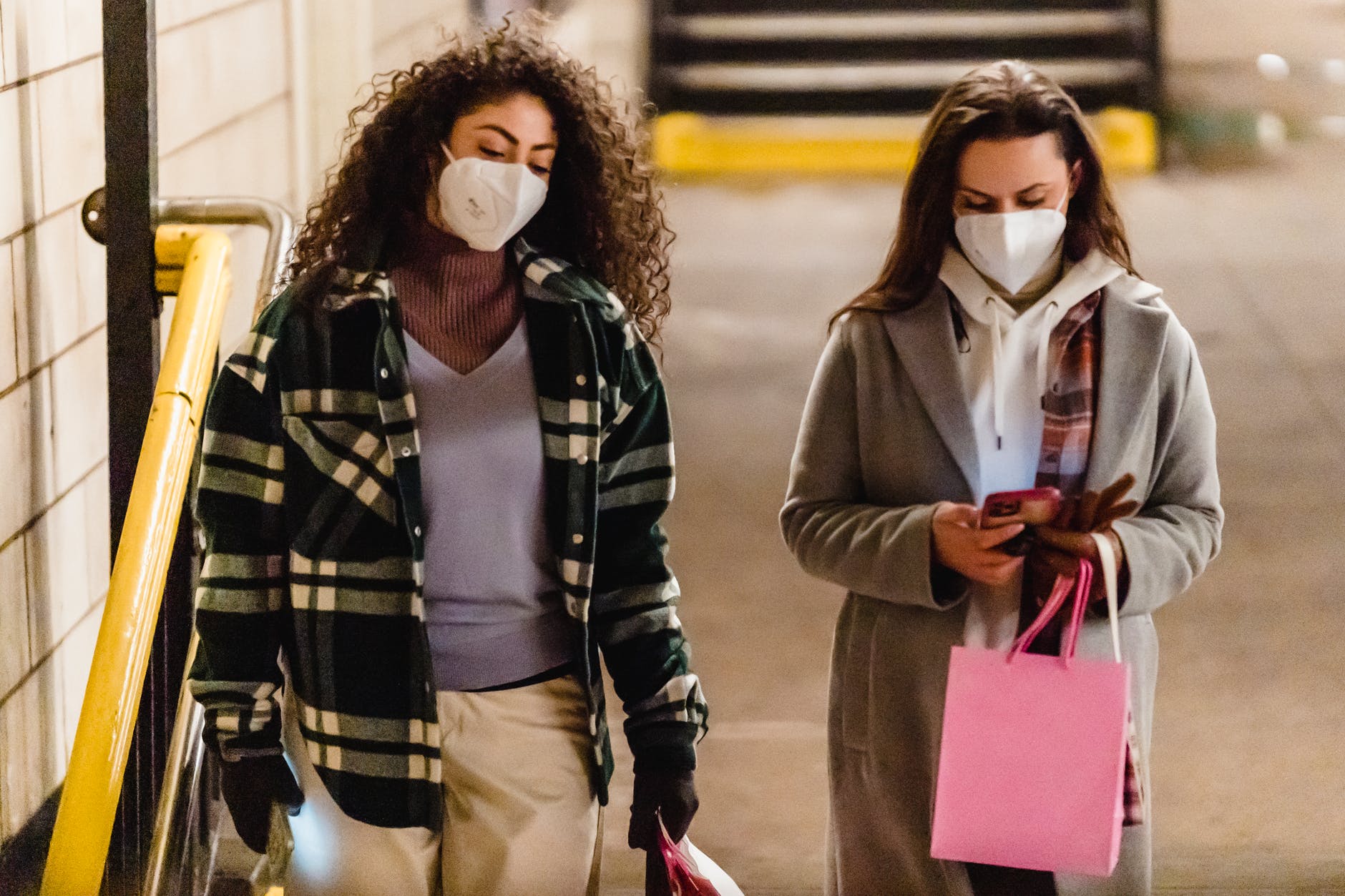
The pandemic is over or “we have to learn to live it” are becoming the new mantras as society becomes increasingly weary of the international health crisis. What’s fascinating to me about those who ask “how long do you plan to wear a mask indoors?” is that it hasn’t occurred to them that most of us who have survived cancer are comfortable not knowing the answer to that question. I’m used to living with unpredictability and not knowing what the future might bring. I can cope with the uncertainty of not knowing when this pandemic will actually end.

Not wearing a mask indoors right now is the perfect analogy for ableism, it tells me you believe you are invincible and take your health for granted. Your choice not to mask is a red flag that you don’t think about anyone beyond yourself. You can’t imagine that you’ll ever become disabled, or dependent on others. When you don’t wear a mask, and you look over and observe me masked, it reveals a great deal about you. It informs me that you are short-sighted and you think that if you survive COVID you’re fine. You don’t stop to consider possible long-term outcomes, such as organ damage, that might occur months or years later. 

Regrettably, I perceive your strong independence, and it’s the toxic kind. I can hear you making bold statements like “it’s not my fault if other people get sick” (maybe in fact it is). I see implications that my right to life and quality of life are not worth protecting. I get an uncomfortable reminder that you’re not in solidarity with me or millions of other cancer patients. 

Place us at the centre of a circle of support.

Being a caregiver or immediate family member when someone has cancer is enormously challenging, but it doesn’t equal the experience of the actual patient who has been diagnosed with a life-threatening disease. A technique has gained attention for dealing with a major life crisis, such as a cancer diagnosis. It’s called the ring theory of kvetching, and was named by the psychologist Susan Silk. When Silk first wrote about the concept in the LA Times in 2013, she drew on her personal experiences as a breast cancer patient. Once when she declined a colleague’s visit, pleading exhaustion, she was told, “This isn’t just about you.” “It’s not?” she wondered. “How is my breast cancer not primarily about me?” 

The main principle of Silk’s ring theory is that support, caring, comfort FLOWS IN. Kvetching, venting, complaining, requests for empathy, all of this only FLOWS OUT. The person or people with the serious illness, trauma, or other enormously challenging life situation — they get to complain outwardly to their first circle of support. The first circle of support, usually spouses, parents or other immediate family members do NOT vent — about the challenges, the loss of sleep, the emotional toll, etc. — to the person at the centre of the trauma.

Don’t come to us with unsolicited advice.

The truth I’ve come to accept is that I didn’t cause my cancer and I don’t have the ability to simply will it away. However, when my ovarian cancer was initially diagnosed, I was more desperate and naïve, more willing to imagine these things were still under my control.  I was hospitalized for over a month and a half at Calgary’s Foothills Medical Centre. When I looked into some of the other patients’ eyes, I could see them begging for a future, and I understood that they would do almost anything for the gift of just a few more months in this world. 

Looking back at the trauma I faced as a new patient, both my desperation and need for reassurance were justifiable. Unfortunately, some of the things that people either said or wrote to me during that time were highly inappropriate. Many of their suggestions worsened, or even exploited, my fear and vulnerability. In particular they reinforced the misconception that I could directly control the course of the insidious disease that had invaded my body. On occasion this might have been due to malevolence, but I still believe the leading cause of people’s poor advice was ignorance.

“The Thing Is” When You Have Cancer


The Thing Is

to love life, to love it even
when you have no stomach for it
and everything you’ve held dear
crumbles like burnt paper in your hands,
your throat filled with the silt of it.
When grief sits with you, its tropical heat
thickening the air, heavy as water
more fit for gills than lungs;
when grief weights you like your own flesh
only more of it, an obesity of grief,
you think, How can a body withstand this?
Then you hold life like a face
between your palms, a plain face,
no charming smile, no violet eyes,
and you say, yes, I will take you
I will love you, again.

Ellen Bass


Poetry for me is often healing and cathartic. I recently encountered The Thing Is when it appeared in one of my social media feeds. The American poet Ellen Bass wrote it when she was in deep grief and it certainly resonated with me. When I researched the author, I learned that Bass has published nine poetry collections, the most recent of which is Indigo (Copper Canyon Press, 2020). In addition to her poetry, she has written several works of nonfiction, including The Courage to Heal: A Guide for Women Survivors of Child Sexual Abuse.

After reading The Thing Is, I felt as though the words had been intended for people like cancer survivors and their families. For those who haven’t actually lost something they cherish or someone dear it’s almost impossible to appreciate the poem or understand its meaning. However, for those of us who have felt the darkness of grief or had to abandon the lives we knew before cancer, we understand the poem completely. We get it. We not only get it, we’ve lived it.

As an ovarian cancer survivor, my life is forever altered, and it will be until the day I die. I’ve suffered, acquired a much deeper awareness of grief and pain, but I manage to still love life. Even in the darkest moments, there are still things to love; the majestic mountains on Calgary’s horizon, the green grass, the brilliant orange poppies that bloom in my backyard, my cat rubbing up against my leg while gently purring. Every season, every day, holds beauty waiting to be discovered.  I know. my family, friends and health care team would all want me to learn to love life fully again. It’s challenging, often still a work in progress, but I continue to persevere.

Cancer Patients Face a Health System in Crisis

“Since the pandemic’s start, we’ve worried about the health system’s dramatic collapse but, like my dying patients, we’re witnessing a slower death; a system imperceptibly degrading until one day, like a cancer-riddled body, it just stops working entirely.”

Dr. Gabriel Fabreau

Doctors, nurses and patient advocates in both Canada and the U.S. are sounding the alarm that after two years of COVID-19, our hospitals have never been worse off. This incredibly disturbing quote describing the health care system is from a recent opinion piece in my local newspaper. The piece was written by Dr. Gabriel Fabreau, a general internist and an assistant professor at the O’Brien Institute for Public Health at the University of Calgary. Fabreau argues that the quality of care in Alberta is degrading, increasingly unsafe and often without dignity.

When I was first diagnosed with cancer in November 2011 I was like many Canadians, I was proud of our universal health care but I had never really been required to test it. I had never dealt with a chronic or life-threatening illness before. I’d never even been hospitalized for surgery or seen the inside of a cancer centre. My innocence of what’s involved in being treated for cancer was shattered almost literally overnight. It took three surgeries and five cycles of chemotherapy to force my disease into remission, along the way there were too many outpatient appointments, tests and scans for me to count. I’ve currently logged thousands of hours in hospitals and seen dozens of physicians and physicians in training, that’s enough to consider myself an insider when it comes to the basics of Canada’s health care system.

Photo by Anna Shvets

Even a decade ago, long before the pandemic, there were many warning signs that the system was under strain. During my cancer surgeries I often felt an urgent need to leave the hospital and go home, I never felt relaxed or like I could take my time to heal. Even then, it may have been easier to define hospitals by what they are not. They’re not places for the sick to get well, not unless healing takes place in the brief interval of time that makes the stay a compensated expense. My hospital treatment was primarily covered by Alberta’s universal health insurance, but I needed my personal Blue Cross insurance plan as well. Through it all I was aware that hospital beds in Alberta cost around $1000 per day and that those beds are in limited supply.

I remember watching in surprise as some short-term stay patients were relegated to the hallway due to the unavailability of rooms. Unfortunately, what I witnessed was a typical example, an unpleasant reminder of how drastically the situation for patients and their families has changed in only a generation. Once hospitals were where you stayed when you were too sick to survive at home; now it’s become customary to go home anyway, cobbling together your own nursing services from friends, relatives and drop-in professionals.

Justifiably the deteriorating situation during the pandemic has me concerned. As a cancer survivor and someone who has relied heavily on health care, I’m becoming more worried each day. The reality is that if my cancer recurs or if I have to resume active treatment, I may not be able to obtain the essential care I need. Fabreau cites the growing deficit in cancer screening and follow up care as the most troubling to him.  “Most tragically, we’re seeing missed cancers, illnesses so advanced they are now incurable. We know delayed diagnosis and treatment increase cancer deaths. Canadian research predicts over 21,000 excess cancer deaths by 2030. Preventable deaths because patients couldn’t or didn’t have appropriate cancer screening.”

Photo by Cedric Fauntleroy

I’m enraged and disheartened because, as Dr. Fabreau explains, the disastrous situation that we now find ourselves in was mainly avoidable. Even before the pandemic, the supply of health care workers was becoming inadequate. Canada has among the lowest physician and an average nurse supply per capita among high-income countries. Both workforces are running on empty: over half of physicians and more than 75 per cent of nurses in Canada are burnt out. It’s now disturbingly obvious that action should have been taken years ago to hire, train and recruit more health care workers. 

Finally, to reduce hospital demand, we must stop pretending COVID-19 is over when it is not. The pandemic is far from ended, particularly for cancer patients and others who are immunocompromised. It’s true Canadian COVID transmission is cresting as we enter the spring and summer seasons, but that simply means we must use this short reprieve until fall to prepare. Governments and health authorities would be wise to use this time to focus on important initiatives such as improving indoor ventilation and uptake of vaccine booster doses.