The Top Six Things Not to Say to Someone With Cancer

When a friend or family member is diagnosed with cancer it’s sometimes difficult to find the right words or to be sure that you are doing the appropriate things. In this blog post I’ve chosen to address some of the most common mistakes and I make specific suggestions about how you can communicate better with someone who is going through a cancer journey.
clh-tom-baker

Always permit a cancer patient to control how much medical information he or she wishes to share with you.

Remember that some patients are more private than others, so don’t pry—only discuss these matters if the patient chooses to bring them up. As a general rule don’t ask detailed questions about the diagnosis or treatment plan. Examples of inappropriate questions might include: “How many chemo sessions do you have?” and “What kind of surgery does your oncologist recommend?” Of course caregivers and close family members are almost always privy to this information. If you are in such a position, I strongly advise you not to divulge intimate details about the condition of your husband, wife, adult son or adult daughter without their specific consent. For instance, as a caregiver you probably have friends or your own support group and you may need to take some time off work. Still, it’s almost never necessary or appropriate to inform your best friend or your boss of exactly how much weight your loved one has lost or the name of the chemotherapy drugs they’ve been prescribed!

Try not to make your offers of assistance too vague.

“Can I do anything to help you?” Your overall intentions for asking a cancer patient this question are likely noble and your heart is in the right place. However, the phrasing of this question is frequently too vague or broad. The person undergoing cancer treatment is probably too overwhelmed to think of something specific, furthermore they don’t want to feel like a burden. Instead, it’s recommended that you ask if you can perform some task in particular for the person. “May I pick up some groceries for you?” or “I’d like to make you dinner tomorrow night.” are good examples of things you might want to say. Even scheduling routine appointments is difficult for an individual facing surgery or chemotherapy, so it might also be fitting to take the initiative by offering to make some telephone calls or send some e-mail messages.

Don’t give a cancer patient health advice, especially if you have never had cancer.

118184-400x265-Dandelion_Facts“Healthy people should never give cancer patients health advice,” physician and cancer survivor, Nikhil Joshi, argued in a recent Globe and Mail interview. “There’s nothing worse than being sick and getting advice from the healthy, because it’s almost like insinuating you did something to make this happen to you,” he said. I firmly agree with Joshi’s statement. It may be true in some cases that our lifestyle or health care choices increase the odds of getting cancer or contribute to cancer progression. However, if you cause someone with cancer to absorb blame and feel shame it will almost certainly make matters worse. Shame and guilt are unnecessary burdens to carry. From everything that’s known about the emotions and health, acceptance and forgiveness are what we need to cultivate and enhance healing, not self-condemnation and self-blame.

Remember every cancer journey is unique physically, psychologically and spiritually.

My situation may remind you of someone else, but telling me a story about a family member or friend who has or had cancer is simply irrelevant, and it’s especially a bad idea if it’s a fatal story. Modern medicine has essentially proven that everyone’s cancer experience is unique, even individuals with the same type, stage and grade of cancer can have radically different outcomes. Telling me about your aunt Lisa’s current third round of chemo for colon cancer won’t help me to process my diagnosis or make decisions about my own cancer treatment.

Don’t send a cancer patient newspaper articles about cancer that you’ve read or give them a basket with holistic cancer remedies in it.

If I want information regarding cancer or cancer treatment, I’ll ask for it. In the months following my cancer diagnosis I was inundated with information and advice from a medical team. Consequently, the articles from newspapers, magazines or online publications that I received were annoying. For the most part these pieces were irrelevant and unnecessary. When some acquaintances sent me ginger and dandelion root, two common homeopathic therapies for cancer, I didn’t bother to explain to them that these items are specifically mentioned on a list oncologists give to their patients. Ginger and dandelion root do not combine well with many traditional chemotherapy drugs, and therefore patients should refrain from using them during treatment.

Don’t tell someone with cancer that everything will be the same again or that everything will workout fine.

Cancer can be a terrifying experience and a diagnosis of this disease is usually a turning point that will alter a person’s life forever. I hate when people try to deny this fact or minimize it by giving me false reassurance. The truth is I don’t know if I’m going to be fine, you don’t know if I’m going to be fine, even my oncologist doesn’t know for sure if I’m going to be fine. Instead, I feel comforted when people use phrases like “I believe in you.” or “I’m pulling for you.”

50eb27d44683b9c588386c68616f

Walk of Hope

OLYMPUS DIGITAL CAMERA

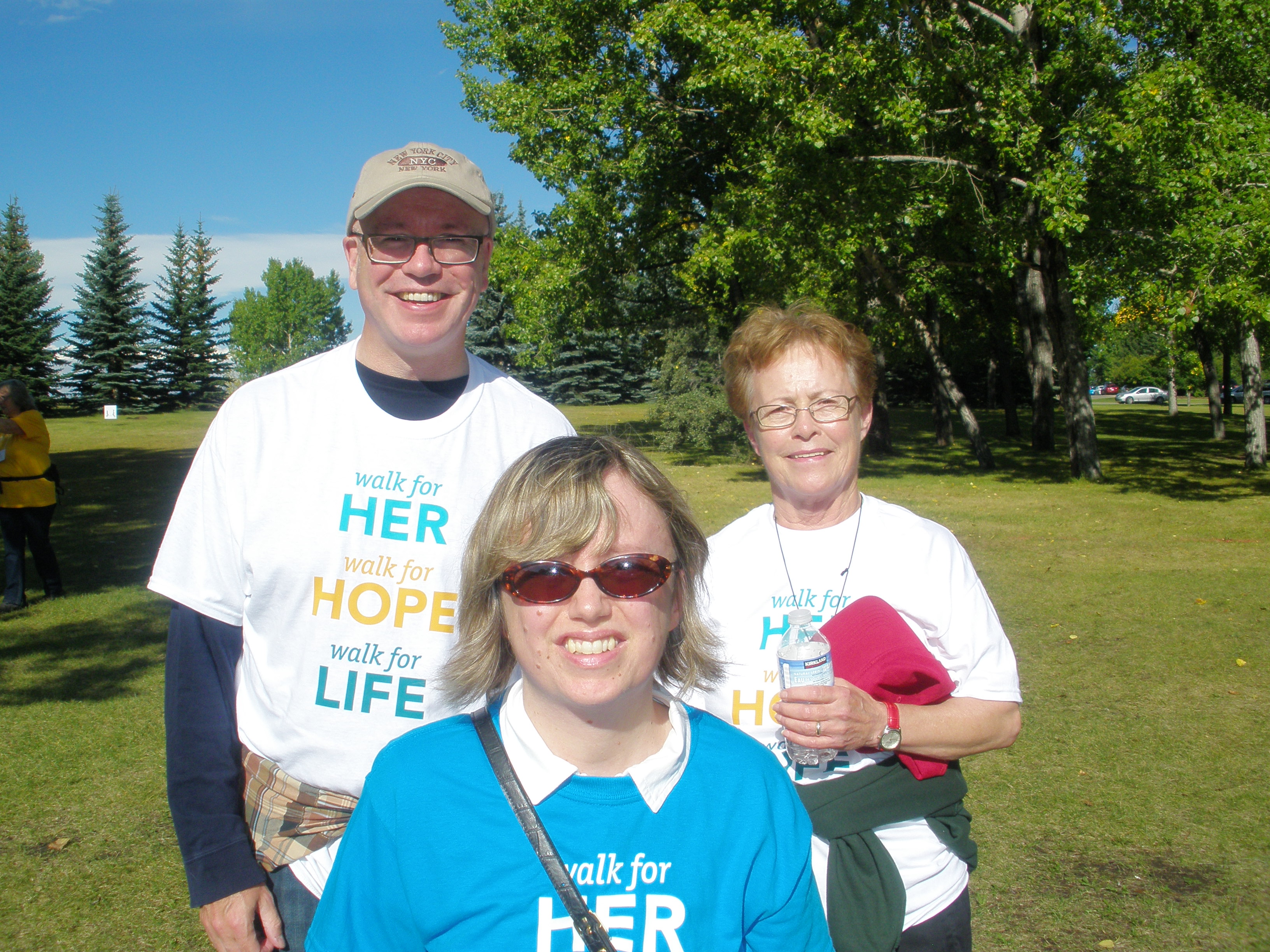
Last week I participated in my first ever cancer fundraising event, the 2013 Ovarian Cancer Canada Walk of Hope. On September 8 thousands of Canadians came together in over 45 communities. We all had one common goal—to overcome ovarian cancer. Together we raised $2.4 million to bolster awareness, research and programs designed to offer assistance to those with the disease. My mom and brother Ray were both eager to sign up with me for the event, so the three of us walked resolutely with several hundred others through North Glenmore Park in Calgary. Given my athletic abilities and physical condition, I opted for the shorter 2.5 km route rather than the full 5 km course. The weather cooperated with us. There had been cool winds and torrential rain the day prior to the walk, but the morning of September 8 was flawless and sunny with only the faintest hint of breeze.

One highlight of the event was a speech from Calgary’s mayor, Naheed Nenshi. As he addressed the crowd from an outdoor stage, he reminded us of the future generations of ovarian cancer patients that will benefit from our efforts, women who have yet to be diagnosed. I am a case in point, ten years ago when the Calgary version of the walk fundraiser was founded I was still blissfully ignorant. I never dreamt in those days that I would become a member of a rather exclusive and unfortunate fellowship of ovarian cancer survivors. Friends and family members of those who have lost their battle with the disease were present in large numbers. Countless people are motivated to participate in the Walk of Hope each year in memory of someone they cherished. But Nenshi also drew attention to the fact that complete strangers will ultimately benefit from our collective endeavours and that there is power in working toward a goal together.

OLYMPUS DIGITAL CAMERA
Posing with my mom and brother Ray at the 2013 Ovarian Cancer Canada Walk of Hope. Over 200 participants were at the fundraising event.

For women, such as myself, engaged in a personal battle with ovarian cancer the reasons for participating in major fundraising events are often deeper. We know that we have what is considered to be the most dangerous of the gynecological cancers—we face high recurrence rates and an overall five-year survival rate of less than 30 per cent. Walking through Glenmore Park, I look around at other women who are actively fighting this disease and I appreciate that we are the brave few who are in remission or who have managed to beat the odds of recurrence. For me walking is a way of feeling more in control and less helpless against a disease that has ruthlessly invaded my body and that kills approximately 1750 Canadian women each year. It’s also a way for me to celebrate all that I do have in my life, and to remind myself that I have more than just cancer.

American journalist, Karin Diamond, expresses these sentiments eloquently in a current online article entitled Cancer Is Not All I Have. Although Diamond isn’t one of the thousands of women with gynecological cancer, she is engaged in a battle with recurrent, chemo-resistant Hodgkin Lymphoma. It persists despite slews of drug combinations, radiation, two stem-cell transplants, immunotherapy, and clinical trials. The 30-year-old acknowledges that there are very few medical treatment options left for her to try. Still the tone of Diamond’s Huffington Post feature isn’t despairing. Throughout it she juxtaposes images of her cancer-ravaged body and other stark cancer related descriptions with the magnificence that remains in her life. Essentially her blog post is a tribute to all that she is fortunate enough to enjoy, including her husband, her family and her career. “I have a good, no a great, no an utterly balls-out fabulous life and more importantly, the capacity to understand its impermanence,” Diamond writes.  “Sure, I have some things that I don’t need, ahem, cancer, but I have everything I do need. Right here. Right now. I revel in that comfort and wonder how I got it so good.”

As I proudly cross the finish line in the 2013 Ovarian Cancer Canada Walk of Hope suddenly my life doesn’t seem so bad either.

The Disease That Whispers

In virtually all cases, the earlier cancer is diagnosed the more straightforward it is for oncologists to treat. Early detection of the disease frequently results in a better prognosis and a greater chance of achieving a long-term cure. Fostering public awareness regarding the signs and symptoms of cancer is vital, as it can literally mean the difference between life and death for some individuals. At minimum everyone should acquaint themselves with the seven warning signs of cancer! The warnings offered by such organizations as the Canadian Cancer Society and the American Cancer Society alert the public to physical occurrences that could indicate a problem.

In this blog post I aim to go beyond such very universal warning signs and discuss the specific signs of both uterine and ovarian cancer. I will also mention risk factors for each of these diseases. Just a generation or two ago many women suffered in silence, as one’s “female problems” weren’t discussed in polite company. Even today there remains a certain degree of stigma to “below the belt” cancers in both sexes. I acknowledge that embarrassment and a sense of denial, or wishing that my symptoms would just go away, played a role in my relatively late diagnosis. So did my own lack of awareness about the risk factors for endometrial and ovarian cancer.

uterine-cancer2

OVARIAN CANCER

Sometimes called the disease that whispers, ovarian cancer is the most serious of all gynecological cancers. Over 2600 Canadian women are diagnosed every year; and every year 1750 women succumb to this disease. Symptoms are varied, vague and easily missed and there is no early detection test. Until there is a reliable early screening test for ovarian cancer, awareness remains an essential weapon against the disease.

Ovarian Cancer Warning Symptoms

Swelling or bloating of the abdomen / Pelvic discomfort or heaviness / Back or abdominal pain / Fatigue / Gas, nausea, indigestion / Change in bowel habits / Emptying your bladder frequently / Menstrual irregularities / Weight loss or weight gain

Other symptoms sometimes include a mass or “lump” in your pelvis that you can feel or a sensation of fullness leading to the inability to eat normally. Pain with intercourse or unusual vaginal bleeding (bleeding between periods or the reemergence of bleeding in post-menopausal women) may also occur.

Risk Factors

The cause of ovarian cancer is unknown. However, the risk of developing ovarian cancer increases as you age—according to Ovarian Cancer Canada 6 out of 10 women diagnosed with ovarian cancer are between 50 and 79 years old. The risk for the disease or of getting it a younger age may be increased if you have any of the following:

  • Have not had children
  • Have not used oral contraceptives
  • Have a family history of breast, ovarian or colon cancer—About 10 per cent of ovarian cancers are hereditary, or run in the family. The BRCA1 and BRCA2 (or Breast Cancer 1 and 2) genes are involved in most cases of hereditary ovarian cancer. Other cases are caused by a genetic issue called Lynch syndrome.

About_The_Symptoms_Of_Ovarian_Cancer_It_Is_Important_To_Be_Informed

UTERINE CANCER

Uterine cancer is the most common cancer of a woman’s reproductive system. It’s usually easier to diagnose than ovarian cancer, as the symptoms are more obvious and there are standard tests to detect it. A Pap smear can raise a suspicion of uterine cancer and in most cases a biopsy of the endometrium or lining of the uterus can confirm it. Uterine cancer most often occurs in women over 50; the average age is 60.

Uterine Cancer Warning Symptoms

  • Unusual vaginal bleeding:  Bleeding that starts after menopause or bleeding between periods in premenopausal women / Heavy frequent bleeding before or during menopause / Bleeding with intercourse
  • Pain:  Pain during intercourse / Pelvic pain or pressure
  • Change in bowel or bladder habits:  Difficult urination / Pain during urination / Blood in the urine / Pain during a bowel movement or blood in the stool

Risk Factors

Hormones, lifestyle and genetics can all play a role in uterine cancer. Longer exposure to estrogen and/or an imbalance of estrogen is a risk factor, specifically for woman who started having their periods before age 12 and/or go through menopause later in life. It is also a risk for those who take hormone replacement therapy (HRT) after menopause, especially if they are only taking estrogen; the risk is lower for women taking estrogen with another sex hormone called progesterone. Finally, women who have never carried a pregnancy to term or taken oral contraceptives can be at greater risk for uterine cancer.

Lifestyle issues, such as obesity, have been proven to have a connection. For example, fatty tissue in women who are overweight produces additional estrogen, a hormone known to increase the risk of uterine cancer. This risk increases with an increase in body mass index (BMI; the ratio of a person’s weight and height).

Finally some uterine cancer is likely due to a women’s genetics. Uterine cancer may run in families where colon cancer is hereditary. For instance, women in families with hereditary non-polyposis colorectal cancer (HNPCC), or Lynch syndrome, have a higher risk for uterine cancer.


IMPORTANT DISCLAIMER

The information presented in this blog post is well researched and obtained from reliable sources. However, I do not intend the material to be for diagnostic purposes or to replace the advice of a medical professional. If you have concerns regarding your gynecological health, the best course of action is to discuss these issues with your doctor.

The Joys of Summertime

DSC_0023

For the over 1 million inhabitants of Calgary, Alberta, the local winters are long, bitter and frigid. The season seems to last forever and the extended deep freeze is only interrupted by the occasional chinook. Not surprisingly, our comparatively short summers are relished and savoured. The months of July and August are like manna from heaven and offer a precious respite from the unrelenting severity of our climate. Studies have revealed that winter is especially daunting for cancer patients—it’s a time of year that represents an assortment of physical, emotional and psychological challenges to anyone unfortunate enough to be battling cancer.

For cancer patients, warmer climates and summer months can be much easier to tolerate. Here are some of the most important environmental issues that we face:

On a physical health level, influenza and the common cold abound during the winter months. Cancer and cancer treatments, such as chemotherapy and radiation therapy, frequently weaken our immune system, which helps fight off these infections. What’s more, people with weakened immune systems who come down with the flu or the common cold demonstrate a higher risk of developing serious complications from these illnesses.

Deprived of the warmth of summer, individuals with cancer may also be at above average risk for hypothermia and other dangerous medical conditions triggered by cold temperatures. When our body can’t produce enough heat to stay warm, hypothermia occurs. Certain medications and medical disorders associated with cancer or cancer treatment can interfere with our body’s natural ability to adjust its temperature. Dehydration, a common side effect of cancer treatment, and having a low amount of body fat may also increase this risk. In addition, some cancer patients who are unable to be physically active may have reduced blood flow, which can lead to hypothermia.

Ultimately there is the emotional and psychological impact of the winter season. Weather often affects people’s moods. Sunlight breaking through clouds can lift our spirits, while a dull, rainy day may make us feel slightly gloomy. While noticeable, these shifts in mood generally don’t affect a person’s ability to cope with daily life. As cancer patients, however, we are sometimes more vulnerable to a type of depression that follows a seasonal pattern. For some people living with cancer, the shortening days of late autumn are the beginning of a type of clinical depression that can last until spring. This condition is called “Seasonal Affective Disorder,” or SAD.

DSC_0052I congratulate all the cancer patients who have conquered another winter and who are now able to anticipate the many joys of summer. As part of my own cancer journey, I’ve experienced how devastating it is to spend the warmest months in a hospital bed. I spent last May and June engaged in a battle against potentially life-threatening complications. This year my doctors have informed me that I’m in remission and I have their go-ahead to participate in virtually any seasonal activity that I wish! Things couldn’t be more perfect, I even have a break from the endless grind of medical appointments. My oncologists at Calgary’s Baker Centre haven’t scheduled my next sequence of diagnostic tests until late August. As I anticipate the weeks ahead, I’m reminded of a classic song called Summertime. It’s a slow haunting tune that I believe could have been written for cancer survivors as we bask in the bittersweet victory of another summer to be spent with our friends and loved ones. In my opinion no piece of music has ever captured the essence of the season so well.

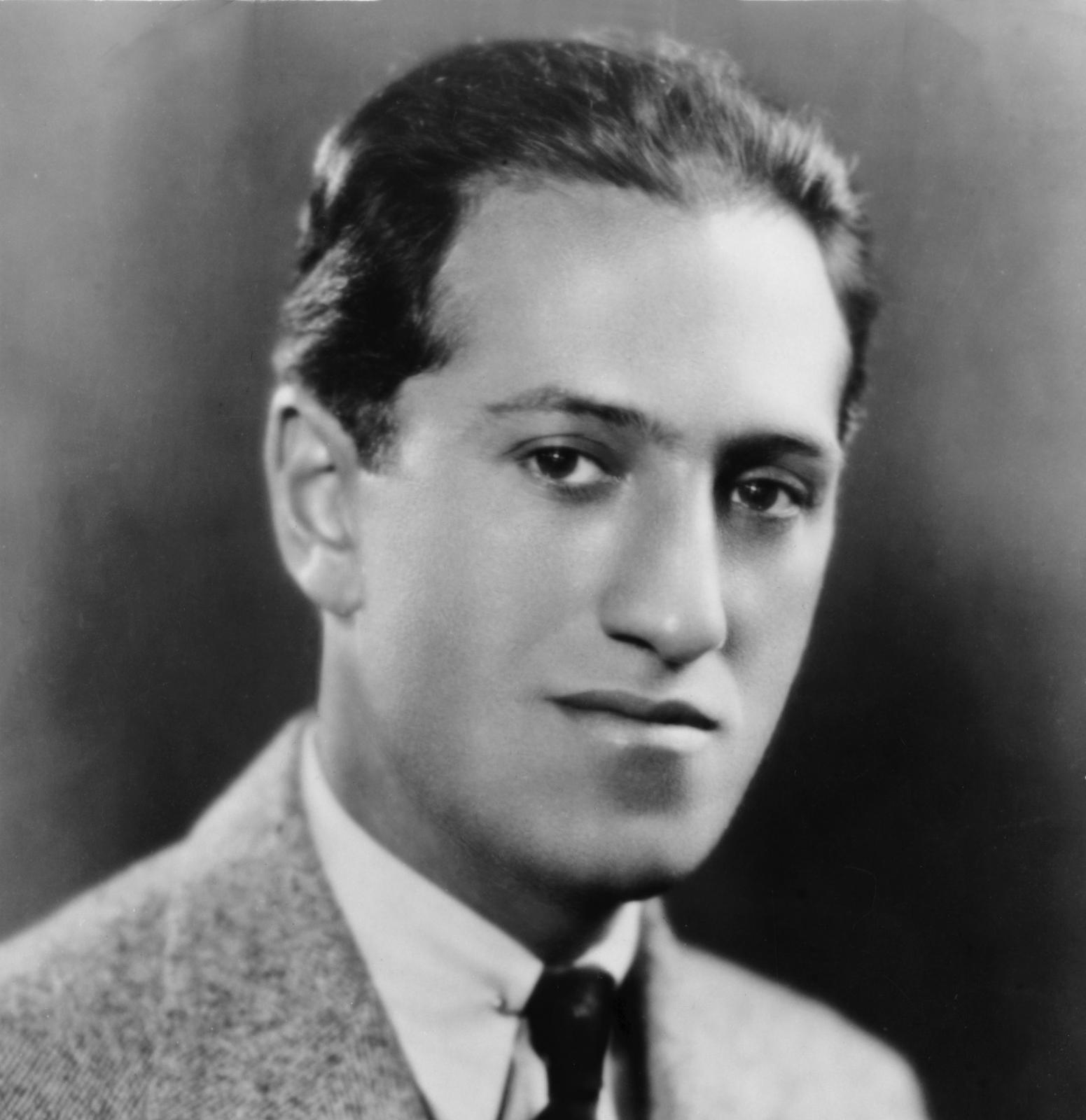
Summertime is an aria composed by George Gershwin for the 1935 opera Porgy and Bess. He wrote the stage musical with his brother Ira and the author DuBose Heyward. Initially a commercial failure, Porgy and Bess is now considered one of the most important American operas of the twentieth century. Currently, there are over 25,000 recordings of Summertime. In September 1936, a recording by Billie Holiday was the first to appear on the American pop charts.

George Gershwin

George Gershwin


Summertime

George Gershwin / DuBose Heyward / Ira Gershwin

Summertime,
And the livin’ is easy
Fish are jumpin’
And the cotton is high

Oh, Your daddy’s rich
And your mamma’s good lookin’
So hush little baby
Don’t you cry

One of these mornings
You’re going to rise up singing
Then you’ll spread your wings
And you’ll take to the sky

But until that morning
There’s a’nothing can harm you
With your daddy and mammy standing by

Summertime,
And the livin’ is easy
Fish are jumpin’
And the cotton is high

Your daddy’s rich
And your mamma’s good lookin’
So hush little baby
Don’t you cry


The Alberta Floods: A Cancer Patient’s Perspective

On June 20-21, 2013, approximately one week after my publication of this idyllic tribute to summer, the unthinkable happened. Southern Alberta experienced what is undoubtedly the most devastating flood in its history. I watched as floodwater swamped Calgary, Alberta’s largest city, displacing tens of thousands of people and forcing the evacuation of the downtown core. The flood impacted hundreds of cancer patients, as some local hospitals and cancer treatment centres had to be evacuated and temporarily closed.

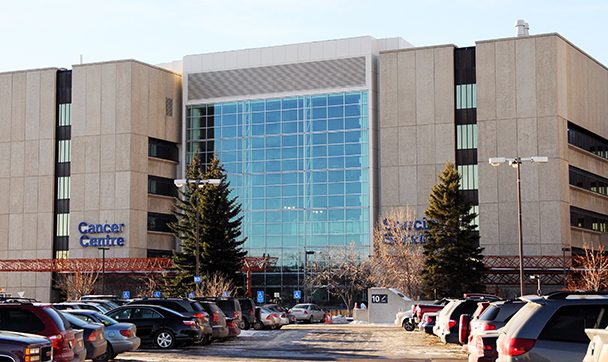
8840474I was impressed with Alberta health officials as they mobilized to handle the crisis quickly and efficiently. The Holy Cross cancer treatment site in Calgary came under evacuation notice, an emergency that saw all cancer care clinics for new patients relocated to the Tom Baker Cancer Centre in the city’s northwest. Meanwhile, to ensure continuity of care all existing cancer patients with appointments at the Holy Cross were assessed and then contacted. Several small communities had their health services profoundly affected. In the immediate wake of the disaster, patients from the flood-devastated town of High River had to be referred to cancer centres in Lethbridge, Calgary and Red Deer for treatments they normally receive at their local hospital.

Living as a Caregiver

By Guest Blogger Cameron Von St. James

Family

My wife, Heather, and I are never going to forget November 21, 2005. On this day, my lovely wife was diagnosed with malignant pleural mesothelioma, a type of cancer. This was also the day that I became a caregiver for a person with cancer. I cannot say that either of us were prepared for this sudden life change. Only three months earlier our first and only child, Lily, was brought into the world. We thought that we would be preparing for our first Christmas together as a family, but this was not to be. Instead, we began a long, difficult battle to save Heather’s life.

As soon as we found out that Heather had cancer, I had to start my new role as a caregiver. We learned some information about mesothelioma and were given three choices for treatment. We could go to a local university hospital, a regional hospital or a doctor in Boston. This doctor in Boston, Dr. Sugarbaker, was a mesothelioma specialist, renowned for his work with this type of cancer. I knew that if Heather were to have any chance of beating this disease, she would need the best care possible. Immediately, we told the doctor to get us to Boston.

Over the next two months, our lives became completely different. Before her diagnosis, we had both been working full-time; now, I was working part-time, and Heather was unable to work at all. My to-do list was constantly growing as I was taking Heather to her appointments, making travel arrangements for Boston and taking care of our little Lily. On top of this, I was terrified that Heather would die from cancer, and Lily and I would be left without her. This fear got the best of me on multiple occasions, and I would break down and cry by myself. Fortunately, this feeling would quickly go away, and I was always careful to hide these moments from Heather. I reminded myself that I needed to stay strong for Heather and be her source of hope and support through this trying time.  The last thing she needed was to see my fears.

So many people helped us during our time of need. Family members, friends and people whom we had never met before reached out to us with much needed support. People offered kind words, and others even offered financial help. I learned a valuable lesson from all of this. If you are a caregiver for a person with cancer and someone offers you help, take it. Even the smallest amount of help can be a huge weight off your shoulders.  Additionally, you will be reminded that you are not alone, and that is so important to remember when you are going through this extremely difficult situation.

Of course, being a caregiver of a person who has cancer is not easy in any sense of the word. It’s a fact that simply cannot be denied. Not only is your life chaotic and completely different, but also you are full of stress and anxiety over what is going to happen. It’s a test that you cannot walk away from. It’s a test that you cannot quit. Remember, try to not let fear or anger overtake your life. Sometimes, you need to have bad days, but you should always keep your hope. You can use all that is around you to stay strong and to keep fighting.

Seven years ago, Heather was diagnosed with cancer. She went through surgery, radiation and chemotherapy to battle this disease, and she has won her fight. Mesothelioma is no longer a part of our lives; instead, we have worked to put our lives back together. I truly learned how precious life is and how we are living on borrowed minutes, so I went back to school full-time to study Information Technology.

My experience as a caregiver for Heather really prepared me to go back to school. In fact, I graduated college with high honors, and I was the graduation speaker when my years at school finished. My speech was about Heather’s diagnosis with cancer and all that we went through. Certainly, five years earlier, I never imagined that I would have been standing there as a college graduation speaker, with my wife and daughter in the audience to cheer me on. Through this experience, I have learned about the power that we have inside of ourselves. If we are willing to believe in ourselves and willing to fight through the odds, then we will find that we are capable of so much more than we ever could have possibly imagined.

Screen Shot 2012-07-26 at 8.01.02 AM

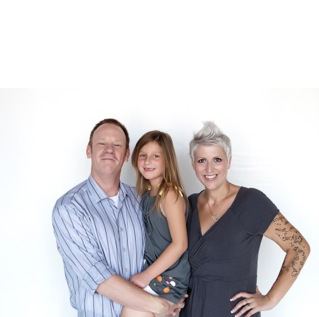
Cameron Von St. James poses with his wife Heather and daughter Lily. Heather is a rare survivor of the asbestos-related cancer mesothelioma.

About Cameron Von St. James

Cameron is husband to Heather Von St. James, an American survivor advocate for the Mesothelioma Cancer Alliance. Stricken with such an aggressive cancer, Heather was given 15 months to live upon diagnosis. Devastated and faced with the very real possibility of raising their infant daughter on his own, Cameron fought alongside Heather in her battle with mesothelioma. It was his determination and refusal to compromise on doctors or treatments that led them from their home in Roseville, Minnesota, to Boston, where Heather received radical surgery from esteemed surgeon, Dr. David Sugarbaker. She continues to thrive seven years later.

Furthering Asbestos Claim Transparency Act

Recently, asbestos companies in the United States have been using their political influence to introduce a new bill. It is called the Furthering Asbestos Claim Transparency Act (FACT Act). The Asbestos Cancer Victims’ Rights Campaign is concerned. They warn that if passed this bill will delay, and in some cases, deny justice and badly needed compensation to people suffering from asbestos-related diseases. American readers of this blog can find additional information on the bill here. If they wish they can also sign a petition. Go to www.CancerVictimsRights.org/take-action/sign-the-petition/ and follow the instructions to sign the petition at the bottom of the page.